
Reducing waste in the metal sector is a top priority for manufacturers, fabricators, and recyclers aiming to improve efficiency, cut costs, and meet environmental standards. Understanding what is metal industry waste reduction involves more than just recycling scrap—it’s about optimizing every stage of production, sourcing, and disposal to minimize material loss and environmental impact. This article explores proven strategies, practical tools, and actionable steps that help companies in the metals sector achieve significant waste reduction.
Before diving into the core methods, it’s important to recognize that waste reduction is closely tied to process improvement, supplier collaboration, and compliance with environmental standards. For those looking to streamline operations, value stream mapping metals industry techniques can be a powerful starting point for identifying inefficiencies and waste sources.

Understanding Metal Industry Waste Reduction
At its core, metal industry waste reduction refers to the systematic efforts to decrease the amount of unusable material generated during metal production, processing, and finishing. This includes scrap metal, offcuts, defective parts, and byproducts such as dust, sludge, and spent chemicals. The goal is to maximize resource use, lower disposal costs, and reduce the environmental footprint.
Key drivers for waste minimization in this sector include:
- Rising raw material and disposal costs
- Stricter environmental regulations
- Growing demand for sustainable manufacturing
- Competitive pressure to improve yield and efficiency
Companies that implement robust waste reduction programs often see benefits such as improved profitability, enhanced brand reputation, and easier compliance with standards like ISO 14001 in metal manufacturing.
Common Sources of Waste in Metal Manufacturing
To effectively reduce waste, it’s essential to identify where it originates. Typical sources include:
- Scrap and Offcuts: Generated during cutting, stamping, and machining operations.
- Defective Products: Resulting from process errors, equipment malfunctions, or quality issues.
- Spent Consumables: Such as abrasives, lubricants, and coolants.
- Packaging Waste: From incoming raw materials and outgoing finished goods.
- End-of-Life Components: Obsolete or worn-out parts that require recycling or disposal.
Mapping these waste streams is a critical step in developing targeted reduction strategies.
Best Practices for Minimizing Waste in Metal Operations
Successful waste reduction relies on a combination of process optimization, employee engagement, and technology adoption. Here are some of the most effective approaches:
Lean Manufacturing and Continuous Improvement
Applying lean principles helps eliminate non-value-added activities, reduce overproduction, and improve process flow. Techniques such as 5S, Kaizen, and standardized work can significantly cut down on scrap and rework. For a deeper dive into process improvement, explore production yield improvement methods tailored for metal plants.
Supplier Collaboration and Material Sourcing
Working closely with suppliers to optimize material dimensions and quality reduces offcuts and defects. Participating in supplier waste reduction programs metals can help align sourcing practices with waste minimization goals.
Advanced Cutting and Fabrication Technologies
Modern CNC machines, laser cutters, and waterjets offer higher precision and nesting capabilities, resulting in less scrap. Investing in up-to-date equipment and regularly maintaining tools ensures consistent quality and minimal waste.

Employee Training and Engagement
Empowering workers to identify waste, suggest improvements, and follow best practices is crucial. Regular training on equipment use, quality standards, and waste sorting ensures everyone contributes to reduction efforts.
Segregation, Collection, and Recycling
Setting up dedicated bins for different types of scrap (ferrous, non-ferrous, alloys) makes recycling more efficient and valuable. Partnering with specialized recyclers and using end of life metal recycling strategies can further reduce landfill disposal.
Process Monitoring and Data Analysis
Implementing sensors, software, and real-time tracking enables companies to spot trends, identify bottlenecks, and make data-driven decisions. Regular audits and key performance indicators (KPIs) help measure progress and set new targets.
Innovative Technologies for Waste Reduction
Emerging technologies are transforming how the metal sector tackles waste. Examples include:
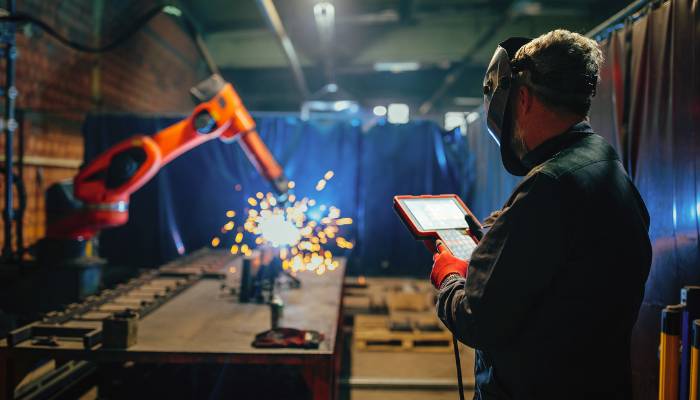
- Artificial Intelligence (AI): AI-driven systems can optimize cutting patterns, predict equipment failures, and automate sorting of scrap materials.
- Internet of Things (IoT): Connected machines provide real-time feedback on material usage and waste generation.
- Advanced Recycling Methods: New processes can recover valuable metals from dust, sludge, and complex alloys that were previously considered unrecyclable.
Compliance, Certification, and Industry Standards
Meeting regulatory requirements is a key aspect of waste reduction. Adopting standards such as ISO 14001 demonstrates a commitment to environmental management and continuous improvement. Certification can also open doors to new markets and customers who prioritize sustainability.
For more information on implementing environmental management systems, refer to the ISO 14001 in metal manufacturing implementation guide.
Partnering with Recyclers and Waste Management Experts
Collaborating with reputable recycling partners ensures that scrap and byproducts are processed efficiently and responsibly. For a detailed look at best practices in this area, see this comprehensive resource on industrial metal waste management.
Measuring Success and Setting Future Goals
Tracking waste reduction progress is vital for sustaining improvements. Key metrics include:
- Scrap rate (percentage of material lost)
- Recycling rate (percentage of waste diverted from landfill)
- Cost savings from reduced waste disposal
- Energy and water usage per unit produced
Regularly reviewing these metrics helps companies set new targets and maintain momentum in their waste minimization journey.
FAQ: Metal Industry Waste Reduction
What are the main benefits of reducing waste in metal manufacturing?
Lowering waste leads to cost savings, higher production efficiency, improved compliance with environmental regulations, and a stronger reputation for sustainability. It also helps conserve raw materials and reduces the environmental impact of operations.
How can companies start a waste reduction program?
Begin by mapping current waste streams, setting measurable goals, and involving employees at all levels. Invest in modern equipment, collaborate with suppliers, and establish partnerships with recycling firms. Continuous monitoring and improvement are essential for long-term success.
What role does recycling play in waste minimization?
Recycling is a critical component, allowing companies to recover valuable materials and reduce landfill disposal. Effective segregation, collection, and collaboration with specialized recyclers maximize the value of scrap and byproducts.