

Manufacturers face increasing pressure to adopt end of life metal recycling strategies that are both environmentally responsible and economically viable. As global demand for metals rises and sustainability regulations tighten, companies must rethink how they handle scrap, obsolete products, and production waste. Implementing effective recycling approaches not only conserves resources but also reduces costs and supports corporate sustainability goals.
This article explores practical methods for managing metals at the end of their lifecycle, from collection and sorting to processing and reintegration into manufacturing. Along the way, we’ll highlight best practices, compliance considerations, and how manufacturers can turn recycling challenges into opportunities for efficiency and profit.
For manufacturers seeking a broader perspective on responsible production, reviewing steel industry sustainability practices can provide additional insights into integrating recycling with overall environmental strategies.
Why Metal Recycling at Product End-of-Life Matters
Metals are among the most recyclable materials used in manufacturing. Unlike plastics or composites, metals can be recycled repeatedly without significant loss of quality. This makes end of life metal recycling strategies critical for reducing raw material consumption, minimizing landfill waste, and lowering greenhouse gas emissions associated with primary metal production.
- Resource conservation: Recycling metals like steel, aluminum, and copper conserves finite natural resources and reduces the need for mining.
- Cost savings: Recycled metals often cost less than virgin materials, helping manufacturers control expenses.
- Regulatory compliance: Many regions require manufacturers to meet specific recycling and waste reduction targets.
- Brand reputation: Companies that prioritize recycling are viewed more favorably by customers and partners.
Key Steps in Developing Effective Recycling Approaches
Designing a robust recycling program involves several stages, from initial product design to final material processing. Here are the main components manufacturers should consider:
1. Designing for Disassembly and Recycling
Incorporating recycling considerations during product development makes end-of-life processing easier and more efficient. This approach, often called Design for Recycling (DfR), includes:
- Choosing materials that are easy to separate and recycle
- Minimizing use of coatings or adhesives that hinder metal recovery
- Labeling components for identification and sorting
Adopting DfR principles can significantly improve the yield and quality of recycled metals, while also reducing labor and processing costs.
2. Collection and Segregation of Scrap
Efficient collection and sorting are essential for maximizing recycling rates. Manufacturers should establish clear procedures for:
- Separating ferrous and non-ferrous metals at the source
- Using color-coded bins or chutes to prevent cross-contamination
- Training staff on proper scrap handling and safety protocols
For more on optimizing material flow, see our guide on how to optimize scrap chute angles for steel stamping operations.
3. Processing and Preparing Scrap for Recycling
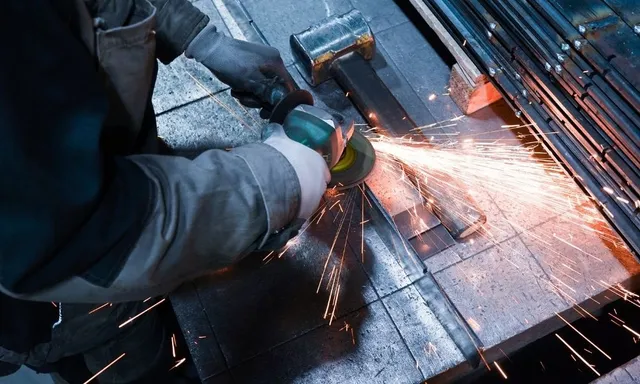
Once collected, scrap metals must be processed to meet the requirements of recycling facilities. Common steps include:
- Shredding or cutting large pieces to manageable sizes
- Removing contaminants such as oils, paints, or non-metallic attachments
- Sorting metals by type and grade for optimal value
Advanced sorting technologies, such as magnetic separators and eddy current systems, can improve accuracy and efficiency. Regular calibration of measuring tools, like digital calipers, ensures that sorted materials meet specification requirements.
4. Working with Certified Recyclers and Partners
Partnering with reputable recycling companies helps ensure compliance and maximizes material recovery. Manufacturers should:
- Verify recycler certifications and environmental practices
- Negotiate transparent pricing based on current metal markets
- Track recycled volumes for reporting and sustainability metrics
For more information on managing industrial scrap, consult resources like metal waste management best practices from industry experts.
Integrating Recycling into Manufacturing Operations
To make recycling a seamless part of daily operations, manufacturers should embed recycling protocols into standard workflows. This includes:
- Setting up dedicated recycling stations on the shop floor
- Scheduling regular scrap pickups to prevent accumulation
- Monitoring recycling rates and setting improvement targets
Continuous improvement, supported by employee training and clear communication, helps maintain high recycling performance and adapt to changing regulations or market conditions.

Overcoming Common Challenges in Metal Recycling
While the benefits are clear, manufacturers often encounter obstacles when implementing end of life metal recycling strategies. Some of the most common challenges include:
- Material contamination: Mixed or dirty scrap can reduce recycling value and increase processing costs.
- Logistics: Managing the transport and storage of scrap requires careful planning to avoid bottlenecks.
- Market volatility: Fluctuating metal prices can impact the profitability of recycling programs.
- Regulatory complexity: Navigating local, national, and international recycling regulations demands ongoing attention.
Addressing these challenges requires a combination of technology, training, and strong supplier relationships. Manufacturers can also benefit from staying informed about steel stamping material yield strength considerations to ensure that recycled inputs meet production standards.
Maximizing Value from Recycled Metals
To get the most from recycling efforts, manufacturers should focus on:
- Negotiating favorable contracts with recyclers based on volume and material quality
- Exploring closed-loop systems, where recycled metals are reintegrated into new products
- Leveraging data analytics to track recycling performance and identify areas for improvement
Incorporating end of life metal recycling strategies into broader sustainability initiatives can also unlock additional value, such as improved compliance, reduced environmental impact, and enhanced stakeholder trust.
Frequently Asked Questions
What metals are most commonly recycled at the end of product life?
The most frequently recycled metals in manufacturing include steel, aluminum, copper, and brass. These materials retain their properties after recycling and are widely accepted by recycling facilities.
How can manufacturers ensure their scrap is recycled responsibly?
Manufacturers should work with certified recyclers, maintain clear documentation, and audit recycling partners regularly. Transparent processes and compliance with environmental standards are essential for responsible recycling.
Are there financial incentives for implementing metal recycling programs?
Yes, recycling can reduce raw material costs, lower waste disposal fees, and sometimes generate revenue from the sale of scrap. Additionally, meeting recycling targets may qualify manufacturers for sustainability certifications or tax benefits in certain regions.
Conclusion
Adopting robust end of life metal recycling strategies is essential for modern manufacturers aiming to improve sustainability, reduce costs, and comply with evolving regulations. By designing products for recyclability, optimizing scrap collection, partnering with reliable recyclers, and integrating recycling into daily operations, companies can turn end-of-life materials into valuable resources. For further reading on minimizing damage during processing, explore our article on best practices for stamping coated steels without damage.