
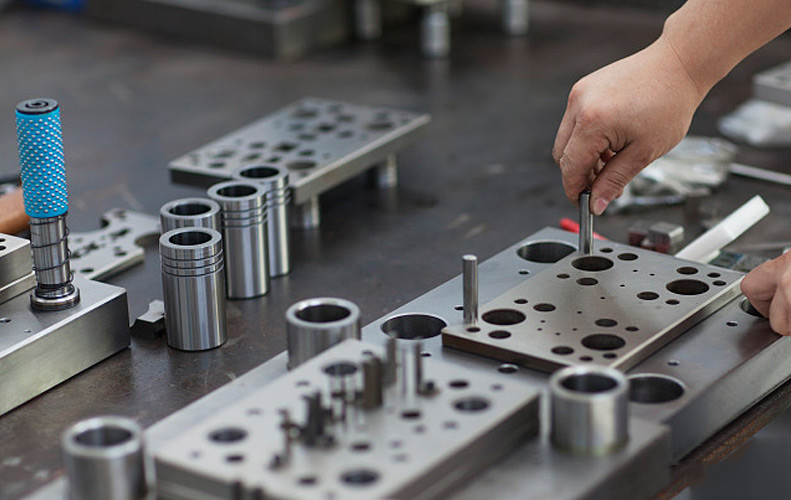
Understanding steel stamping material yield strength considerations is essential for manufacturers, engineers, and quality professionals working with metal forming processes. Yield strength directly influences the design, tooling, and performance of stamped components. Selecting the right material and accounting for its mechanical properties can mean the difference between a successful production run and costly defects or failures.
This guide explores the critical factors that impact yield strength in steel stamping, how these considerations affect part quality and manufacturability, and practical tips for optimizing your stamping operations. For those interested in related process optimizations, see our article on how to optimize scrap chute angles for improved material flow and reduced waste.
Why Yield Strength Matters in Steel Stamping
Yield strength is the maximum stress a steel material can withstand before it begins to deform permanently. In stamping operations, this property determines how the metal will behave under the force of the press. If the applied force exceeds the yield strength, the steel will not return to its original shape, potentially resulting in unwanted deformation, cracks, or even part failure.
Properly matching the yield strength to the stamping process ensures:
- Consistent part geometry and dimensional accuracy
- Reduced risk of defects such as warping, cracking, or tearing
- Longer tool life due to less excessive force being applied
- Efficient production with fewer rejected parts
For applications requiring tight tolerances or high-strength components, these factors become even more critical.
Key Factors Influencing Material Yield Strength in Stamping
Several variables affect how yield strength impacts steel stamping:
- Material Grade: Different steel grades offer varying yield strengths. High-strength low-alloy (HSLA) steels, for example, provide greater resistance to deformation than mild steels.
- Thickness: Thicker materials generally require higher forces to reach their yield point, affecting press selection and die design.
- Grain Orientation: The direction of the steel’s grain can influence its formability and resistance to cracking. For more on this, see our insights on steel stamping material grain size importance.
- Coatings and Treatments: Surface treatments may slightly alter yield strength and affect how the material behaves during forming. For coated steels, review the best practices for stamping coated steels to avoid surface damage.
- Temperature: Elevated temperatures can reduce yield strength, making the material easier to form but potentially less robust in service.
Practical Approaches to Managing Yield Strength in Stamping Operations
To achieve optimal results, manufacturers should:
- Specify the Correct Material: Choose a steel grade with a yield strength that matches the part’s functional requirements and the stamping process capabilities.
- Adjust Tooling and Press Settings: Ensure that dies and presses are designed to handle the specific yield strength of the chosen material. This may involve adjusting clearances, radii, and press tonnage.
- Monitor for Defects: Common issues like burrs, cracks, or excessive springback can indicate that the material yield strength is not well-matched to the process. For more on burr control, see our guide on steel stamping burr height standards.
- Test and Validate: Perform mechanical testing on incoming steel lots to confirm yield strength meets specifications. This helps prevent surprises during production.
Common Challenges When Working with High-Yield Strength Steels
While high-yield strength steels offer improved durability and performance, they also introduce several challenges to the stamping process:
- Increased Tool Wear: Harder materials accelerate die and punch wear, requiring more frequent maintenance or use of advanced tool steels.
- Greater Forming Forces: Presses must deliver higher tonnage, which may necessitate equipment upgrades or slower production speeds.
- Springback: After forming, high-strength steels tend to spring back more, making it difficult to maintain precise shapes without compensating in the die design.
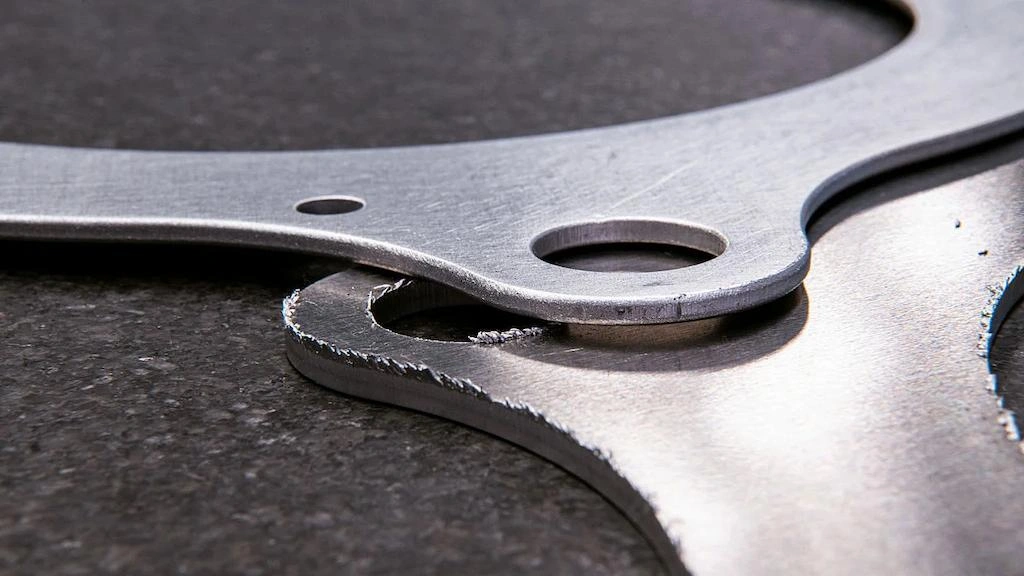
- Cracking and Tearing: Insufficient radii or improper lubrication can lead to edge cracking, especially in complex geometries.
Addressing these issues often involves a combination of material selection, process optimization, and advanced simulation techniques.
Yield Strength Considerations for Safety and Compliance
Ensuring that yield strength is properly accounted for is not just a matter of product quality—it’s also a safety and compliance issue. Overlooking this property can result in parts that fail during use, potentially causing equipment damage or safety hazards. Manufacturers must adhere to industry standards and perform regular inspections to verify that stamped components meet the required mechanical specifications.
For a deeper look at safety protocols in steel stamping, review this resource on how to ensure safety in steel stamping parts production.
Integrating Yield Strength Insights Into Stamping Process Design
Modern stamping operations increasingly rely on simulation software and advanced analytics to predict how materials will behave under different forming conditions. By integrating yield strength data early in the design phase, teams can:
- Optimize die geometry for minimal springback and maximum part consistency
- Reduce trial-and-error in tool development
- Shorten time to production and lower overall costs
Additionally, ongoing collaboration between material suppliers, toolmakers, and production teams ensures that any changes in steel supply or process parameters are quickly addressed.
For those seeking to further refine their stamping operations, our article on how to optimize part ejection in stamping offers practical strategies for improving throughput and reducing downtime.
Frequently Asked Questions
What Is the Difference Between Yield Strength and Tensile Strength in Steel Stamping?
Yield strength is the point at which steel begins to deform permanently under stress, while tensile strength is the maximum stress the material can withstand before breaking. In stamping, yield strength is more critical because it determines the force required to shape the material without causing permanent damage or failure.
How Can I Minimize Defects When Stamping High-Strength Steels?
To reduce defects such as cracks or excessive springback, use appropriate die radii, ensure proper lubrication, and select tooling materials that can withstand higher forming forces. Simulation and prototyping can also help identify potential issues before full-scale production.
Why Does Grain Orientation Matter for Yield Strength in Stamping?
Steel’s grain orientation affects its ability to deform without cracking. Aligning the grain direction with the direction of forming can improve ductility and reduce the risk of edge cracking, especially in high-strength or thick-gauge steels.
By carefully considering yield strength and its related factors, manufacturers can produce high-quality stamped steel parts that meet both performance and safety requirements. Integrating these insights into process design and material selection will help ensure consistent results and long-term success in metal forming operations.