
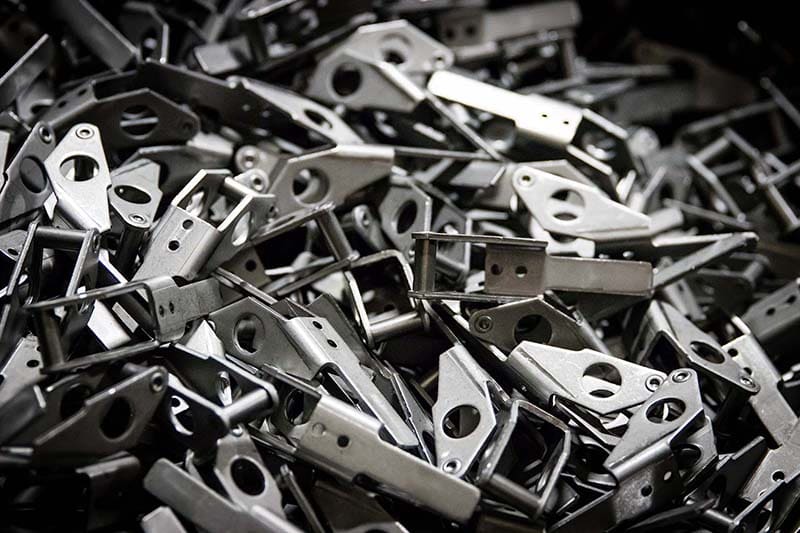
Precision in steel stamping is critical for quality, safety, and downstream manufacturing processes. One of the most important quality metrics is steel stamping burr height standards. Burrs—tiny, unwanted projections of material left on the edge of stamped parts—can affect assembly, product performance, and even safety. Understanding the accepted limits for burr height, how to measure them, and why they matter is essential for manufacturers, engineers, and quality control professionals.
This guide explains what burrs are, why their height matters, how standards are defined, and the best ways to measure and control burrs in steel stamping operations. For those looking to optimize their stamping operations, it’s also valuable to review how to audit a steel stamping process for efficiency and quality improvements.
What Are Burrs in Steel Stamping?
Burrs are raised edges or small pieces of material that remain attached to a workpiece after a modification process such as stamping, cutting, or machining. In steel stamping, burrs typically form on the edges of parts where the cutting tool or die shears the metal. These projections can vary in size, shape, and severity, depending on factors like material type, die condition, and process parameters.
While some burrs are nearly invisible, others can be sharp and hazardous. Excessive burrs can interfere with assembly, cause premature wear of mating parts, or pose safety risks to workers handling the components. Therefore, controlling burr height is a fundamental aspect of quality assurance in metal stamping.
Why Burr Height Standards Matter in Metal Stamping
Establishing and adhering to burr height standards for steel stamping ensures that parts meet functional, safety, and aesthetic requirements. Here are some reasons why these standards are so important:
- Assembly Fit: Excessive burrs can prevent parts from fitting together properly, leading to assembly issues or the need for costly rework.
- Product Safety: Sharp burrs can injure workers or end users, especially in consumer products or components that require manual handling.
- Downstream Processing: Burrs can damage tooling or equipment in subsequent manufacturing steps, such as welding, painting, or coating.
- Corrosion Risk: Burrs can trap moisture or contaminants, increasing the risk of corrosion at the edges of stamped parts.
- Quality Perception: Visible burrs can negatively impact the perceived quality of finished products, especially in industries with strict cosmetic standards.
Defining Steel Stamping Burr Height Standards
There is no single universal specification for burr height in steel stamping; instead, standards are typically defined by industry guidelines, customer requirements, or internal quality protocols. However, several organizations and industry groups provide reference values and best practices.
Commonly, burr height is specified as a maximum allowable value, measured in millimeters or microns. For example, automotive and appliance manufacturers may require burr heights below 0.05 mm (50 microns) for critical components. Less demanding applications may tolerate burrs up to 0.1 mm or higher, depending on downstream requirements.
Some widely referenced standards and guidelines include:
- ISO 13715: Specifies technical product documentation for edges of undefined shape, including burrs.
- DIN 6784: German standard for burr measurement and classification.
- Customer Specifications: Many OEMs and Tier 1 suppliers provide their own burr height limits in technical drawings or quality agreements.
It’s important to note that burr height tolerances may vary based on material thickness, part function, and the intended use of the stamped component. Always consult the relevant standard or customer specification for your application.

How to Measure Burr Height in Steel Stamping
Accurate measurement of burr height is essential for verifying compliance with standards and maintaining process control. Several methods are used in industry, ranging from simple manual techniques to advanced digital systems:
- Optical Microscopy: A microscope with a calibrated reticle or digital measurement capability is used to visually inspect and measure burrs at high magnification.
- Contact Profilometers: These devices use a stylus to physically trace the edge of a stamped part, recording the height of burrs with high precision.
- Laser Scanning: Non-contact laser systems can quickly scan part edges and generate detailed burr profiles, ideal for high-volume inspection.
- Go/No-Go Gauges: For quick checks, custom gauges can verify whether burrs exceed a specified threshold, though they do not provide precise measurements.
When measuring, it’s important to sample multiple locations on each part, as burr height can vary depending on die wear, material inconsistencies, and process conditions. Documenting measurement procedures and results is also a key part of quality management.
Factors Affecting Burr Formation and Height
Several variables influence the size and shape of burrs produced during steel stamping. Understanding these factors can help manufacturers minimize burr formation and maintain compliance with steel stamping burr height standards:
- Die Condition: Worn or damaged dies are a leading cause of excessive burrs. Regular maintenance and sharpening are essential.
- Material Properties: Harder steels may produce smaller burrs, while softer or ductile materials can create larger, more problematic projections.
- Clearance Settings: The gap between the punch and die directly affects burr size. Too much clearance increases burr height, while too little can cause tool damage.
- Lubrication: Proper lubrication reduces friction and can help minimize burr formation.
- Press Alignment: Misaligned presses or dies can create uneven burrs and inconsistent part quality.
For more insights into optimizing your stamping process and minimizing burrs, review best practices for stamping coated steels to avoid damage and maintain edge quality.

Controlling and Reducing Burrs in Production
Maintaining compliance with burr height limits requires a combination of process control, preventive maintenance, and inspection. Here are some practical strategies:
- Regular Tool Maintenance: Inspect and sharpen dies and punches on a scheduled basis to prevent excessive burr formation.
- Optimize Tooling Clearance: Adjust punch-to-die clearance based on material thickness and type to minimize burrs without risking tool failure.
- Monitor Process Parameters: Track press force, stroke speed, and lubrication to identify conditions that may increase burr formation.
- Use Quality Materials: Source steel with consistent properties to reduce variability in burr size and shape.
- Implement In-Process Inspection: Use automated or manual inspection to catch burr issues early and prevent defective parts from reaching customers.
In some cases, secondary operations such as deburring (manual, mechanical, or chemical) may be needed to remove burrs and meet strict standards. However, minimizing burrs at the source is always preferable for efficiency and cost control.
Industry Resources and Further Reading
For a deeper dive into the world of metal stamping, including safety, process optimization, and quality control, consider exploring this comprehensive guide to metal stamping safety and best practices. Staying informed about the latest industry standards and technological advancements can help your operation remain competitive and compliant.
Frequently Asked Questions
What is the typical maximum burr height allowed in steel stamping?
Maximum allowable burr height varies by industry and application but is often set between 0.02 mm and 0.1 mm. Critical components, such as those in automotive or electronics, may require burrs below 0.05 mm. Always refer to customer specifications or relevant industry standards for exact limits.
How can I accurately measure burr height on stamped steel parts?
Common methods include optical microscopy, contact profilometers, and laser scanning systems. For routine checks, go/no-go gauges may be used, but for precise measurement, digital or optical tools are recommended. Sampling multiple locations on each part is important for reliable results.
What are the main causes of excessive burrs in steel stamping?
Excessive burrs are most often caused by worn or damaged dies, incorrect punch-to-die clearance, poor material quality, inadequate lubrication, or misaligned tooling. Regular maintenance and process monitoring are key to minimizing burr formation.