
Optimizing a steel stamping operation is essential for manufacturers aiming to reduce costs, improve product quality, and maintain a competitive edge. Conducting a thorough review of your stamping workflow allows you to identify bottlenecks, minimize waste, and ensure that every stage of production is running at peak performance. This guide covers the key steps and considerations for evaluating and enhancing the efficiency of your metal forming line, with practical advice for both new and established facilities.
Whether you’re managing a high-volume automotive plant or a specialized job shop, understanding how to audit a steel stamping process can reveal hidden opportunities for improvement. By following a systematic approach, you can address common issues such as tool wear, material handling inefficiencies, and suboptimal press setups. For those working with coated materials, it’s also valuable to review best practices for stamping coated steels to prevent surface damage and maintain quality standards.

Why Efficiency Audits Matter in Steel Stamping
Regularly reviewing your metal stamping operations is more than just a compliance exercise—it’s a strategic move that can lead to substantial savings and better product outcomes. Inefficiencies can creep in over time due to equipment wear, outdated procedures, or changes in material specifications. A focused evaluation helps you:
- Reduce downtime by identifying and addressing recurring stoppages or slow cycles.
- Lower scrap rates through better tooling maintenance and material handling.
- Improve safety by spotting hazardous practices or malfunctioning equipment.
- Enhance product consistency by standardizing setups and monitoring quality checkpoints.
A comprehensive review can also support your efforts to implement lean manufacturing principles and meet customer requirements for on-time delivery and defect-free parts.
Key Steps to Review Your Steel Stamping Workflow
A successful evaluation involves a structured process that covers every aspect of your operation. Here’s a step-by-step approach to ensure a thorough review:
1. Define Audit Objectives and Metrics
Start by clarifying what you want to achieve. Are you aiming to reduce cycle times, minimize tool changeovers, or cut down on rejected parts? Establish clear metrics such as:
- Press uptime percentage
- Average cycle time per part
- Scrap and rework rates
- Tooling life and maintenance intervals
Having measurable goals allows you to track progress and quantify improvements.
2. Map the Entire Stamping Process
Document each stage of your operation, from raw material receipt to finished part inspection. Include:
- Material storage and handling
- Press setup and die installation
- Stamping operations (blanking, piercing, forming, etc.)
- Part removal and transfer
- Quality control checks
- Packaging and shipping
A process map helps you visualize workflow, spot redundancies, and identify areas for streamlining.
3. Observe and Record Actual Operations
Spend time on the shop floor watching how operators interact with machines, materials, and each other. Use checklists to document:
- Setup times and procedures
- Material flow and handling steps
- Frequency and causes of stoppages
- Tool and die changeover durations
- Quality inspection routines
Compare observed practices to documented procedures to uncover deviations or outdated instructions.
4. Analyze Tooling and Equipment Performance
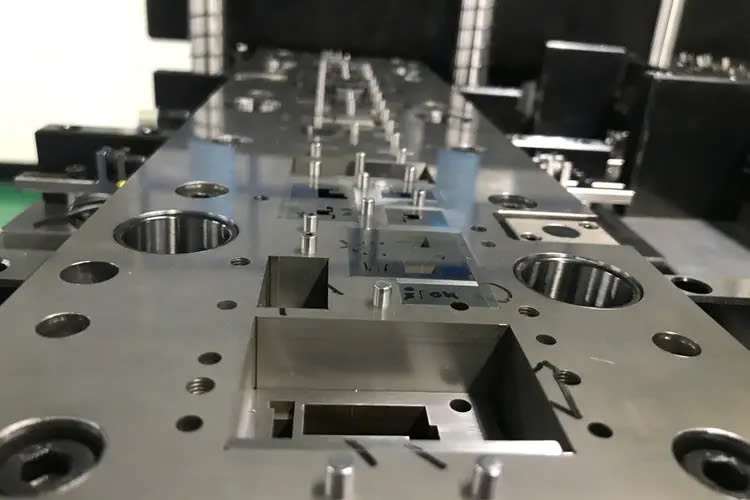
Tooling condition and press performance are critical to efficient stamping. Review maintenance logs, inspect dies for wear, and monitor press alignment. For more details on how die maintenance impacts efficiency, see this guide to stamping die repair and maintenance.
Check for issues such as:
- Excessive die wear or chipping
- Improper punch-to-die clearance (which can affect hole quality—learn more about the impact of punching clearance on hole quality)
- Hydraulic or mechanical press inconsistencies
- Bolster plate stability (see the role of bolster plates in stamping stability)
Addressing these issues can extend tool life and reduce unplanned downtime.
5. Evaluate Material Utilization and Scrap
Material waste is a significant cost driver in metal forming. Review coil or sheet usage, nesting layouts, and scrap handling procedures. Look for:
- Opportunities to optimize blank size and layout
- Causes of off-spec parts (tool wear, misalignment, feed errors)
- Scrap segregation and recycling practices
Reducing waste not only saves money but also supports sustainability goals.
Common Bottlenecks and How to Address Them
During your review, you may encounter recurring issues that limit throughput or increase costs. Some of the most frequent bottlenecks in metal stamping include:
- Long setup and changeover times: Standardize procedures, use quick-change tooling, and train operators for faster transitions.
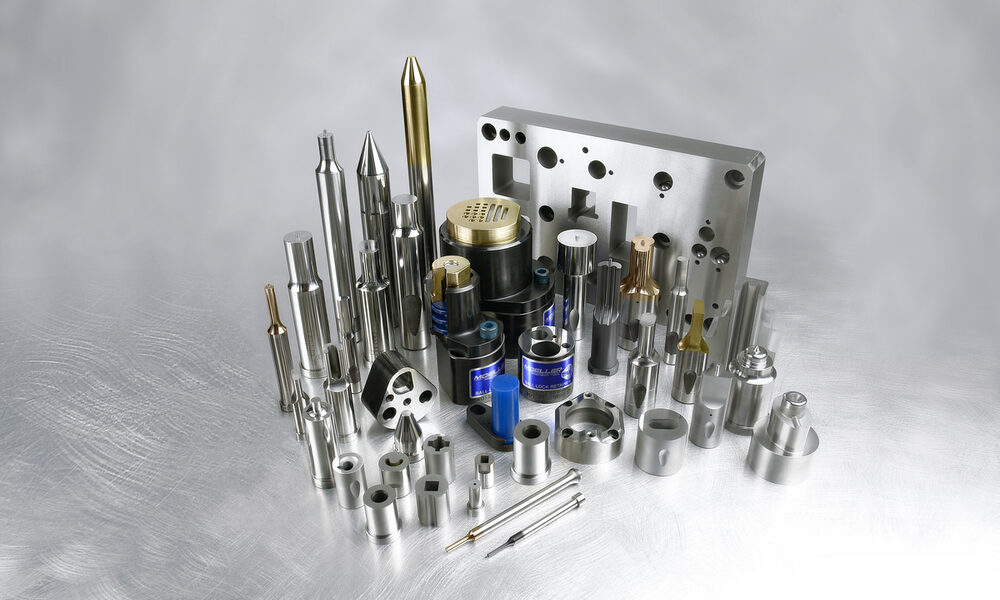
- Tool wear and breakage: Implement predictive maintenance and monitor tool life closely to prevent unexpected failures.
- Material jams or misfeeds: Upgrade feed systems and ensure proper alignment of coils or blanks.
- Quality defects: Use statistical process control and regular inspections to catch issues early.
- Hydraulic shock or press instability: Review press settings and consider solutions to reduce hydraulic shock in stamping presses.
Addressing these bottlenecks can significantly boost your line’s productivity and consistency.
Continuous Improvement and Documentation
An audit is most effective when it leads to ongoing improvements. Document your findings, implement corrective actions, and set up regular follow-ups to track progress. Encourage feedback from operators and maintenance teams—they often have valuable insights into daily challenges and practical solutions.
Consider integrating digital tools for real-time monitoring of press performance, tool wear, and material usage. Data-driven decision-making helps you respond quickly to emerging issues and maintain high efficiency over time.
Frequently Asked Questions
What are the main goals of reviewing a steel stamping operation?
The primary objectives are to identify inefficiencies, reduce waste, improve product quality, and ensure safe, consistent production. A systematic review helps manufacturers stay competitive and responsive to customer demands.
How often should a stamping process be audited for efficiency?
It’s recommended to conduct a comprehensive review at least once a year, or whenever there are significant changes in production volume, product design, or equipment. Ongoing monitoring and periodic spot checks can help maintain optimal performance between formal audits.
Which metrics are most important when evaluating stamping efficiency?
Key metrics include press uptime, cycle time per part, scrap and rework rates, tool life, and setup/changeover durations. Tracking these indicators provides a clear picture of operational health and highlights areas for improvement.
How can tool wear impact stamping quality and efficiency?
Excessive tool wear can lead to dimensional inaccuracies, increased scrap, and unplanned downtime. Regular inspection and maintenance of dies and punches are essential for maintaining high-quality output and minimizing disruptions.
Are there specific strategies for reducing scrap in steel stamping?
Yes, optimizing nesting layouts, maintaining sharp tooling, and implementing robust quality checks at each stage can help minimize material waste. Training operators and using statistical process control are also effective strategies.
By following these steps and focusing on continuous improvement, manufacturers can achieve significant gains in productivity, quality, and cost savings in their metal forming operations. For more insights into material behavior during stamping, explore the understanding work hardening in steel stamping resource.