
Hydraulic shock, sometimes called water hammer, is a common challenge in metal stamping environments. When hydraulic presses operate at high speeds or with abrupt changes in flow, sudden pressure surges can occur. These surges not only threaten the integrity of the press and tooling but also increase maintenance costs and risk of downtime. Understanding how to reduce hydraulic shock in stamping presses is essential for manufacturers aiming to improve productivity, extend equipment life, and ensure workplace safety.
This article explores practical strategies to minimize pressure spikes in hydraulic stamping operations. We’ll cover the causes of hydraulic shock, its impact on press performance, and proven methods for mitigation. For those working with coated materials, you may also find value in reviewing best practices for stamping coated steels to further optimize your processes.
Understanding Hydraulic Shock in Presses
Hydraulic shock occurs when a fluid in motion is forced to stop or change direction suddenly. In stamping presses, this often happens due to rapid valve closures, abrupt cylinder movements, or sudden changes in load. The result is a sharp rise in pressure that travels through the hydraulic system, potentially causing noise, vibration, leaks, or even component failure.
The effects of hydraulic shock can be severe:
- Premature wear of seals and hoses
- Damage to valves, pumps, and cylinders
- Increased noise and vibration levels
- Unexpected downtime and costly repairs
By addressing these surges, manufacturers can achieve smoother press operation and reduce the risk of unplanned maintenance.
Key Causes of Pressure Surges in Stamping Operations
To effectively address hydraulic shock, it’s important to identify its root causes. Common contributors in stamping environments include:
- Rapid valve actuation: Quickly opening or closing directional control valves can create sudden changes in flow, leading to pressure spikes.
- High-speed cylinder movement: Fast acceleration or deceleration of press rams increases the likelihood of shock waves in the system.
- Improperly sized accumulators: Without adequate energy absorption, accumulators may fail to dampen pressure surges.
- Long or complex piping: Extended hydraulic lines can amplify shock effects as pressure waves reflect and interact.
- Sudden load changes: Variations in material thickness or die contact can induce abrupt hydraulic responses.
Recognizing these factors is the first step toward implementing effective solutions.
Best Practices to Minimize Hydraulic Shock in Stamping Presses
There are several proven approaches to reducing hydraulic shock in stamping press operations. The following strategies can be tailored to your specific equipment and production needs:
1. Optimize Valve Operation and Control
One of the most effective ways to limit pressure surges is to control the speed at which hydraulic valves open and close. Using proportional or servo valves allows for gradual changes in flow, reducing the risk of sudden spikes. Additionally, installing valve deceleration controls or soft-start features can further smooth transitions.
2. Adjust Cylinder Acceleration and Deceleration
Slowing down the acceleration and deceleration of press cylinders helps prevent abrupt fluid movement. This can be achieved by adjusting flow control valves or programming press motion profiles for gentler starts and stops. Not only does this reduce hydraulic shock, but it can also improve part quality by ensuring more consistent stamping force.
3. Use Accumulators for Energy Absorption
Hydraulic accumulators act as shock absorbers within the system. By storing and releasing energy as needed, they can dampen pressure spikes and maintain more stable operation. It’s important to select accumulators with the correct size and pre-charge pressure for your press application.
4. Design Hydraulic Circuits for Smooth Flow
Thoughtful hydraulic circuit design can significantly reduce the risk of shock. This includes minimizing the length of piping runs, using gentle bends instead of sharp elbows, and ensuring all components are properly sized for expected flow rates. Avoiding unnecessary restrictions and bottlenecks helps maintain steady fluid movement.
5. Maintain and Inspect Hydraulic Components Regularly
Routine maintenance is crucial for preventing issues related to hydraulic shock. Inspect hoses, seals, and fittings for wear or leaks, and replace components as needed. Regularly check accumulator pre-charge levels and ensure valves operate smoothly. Proactive care reduces the likelihood of unexpected failures and helps sustain consistent press performance.
Impact of Hydraulic Shock on Tooling and Product Quality
Unchecked hydraulic shock doesn’t just threaten the press itself—it can also affect die life and the quality of stamped parts. Excessive vibration or movement may cause misalignment, leading to burrs, cracks, or uneven edges on finished products. For more on maintaining hardware integrity, see our guide on steel stamping hardware insertion best practices.
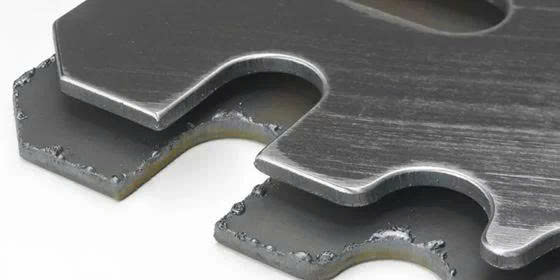
By minimizing pressure surges, manufacturers can extend the lifespan of dies and reduce the occurrence of defects, resulting in higher yields and lower scrap rates.
Additional Strategies for Reducing Pressure Spikes
- Install pressure relief valves: These devices automatically vent excess pressure, protecting the system from dangerous surges.
- Monitor system pressure in real time: Using sensors and data logging helps identify trends and spot issues before they escalate.
- Train operators: Educating staff on proper press operation and the signs of hydraulic shock can prevent operator-induced surges.
- Upgrade outdated components: Modern hydraulic controls and sensors offer greater precision and reliability, reducing the risk of shock-related failures.
For those interested in advanced press optimization, consider exploring how to optimize stamping press counterbalance systems to further enhance stability and performance.
Industry Resources and Further Reading
For a broader perspective on metal stamping safety and efficiency, the comprehensive guide to metal stamping safety and hazards provides valuable insights into best practices, risk reduction, and equipment maintenance.
Frequently Asked Questions
What is hydraulic shock and why is it a problem in stamping presses?
Hydraulic shock is a sudden spike in pressure within a hydraulic system, typically caused by abrupt changes in fluid flow or direction. In stamping presses, it can lead to equipment damage, increased maintenance needs, and compromised product quality.
How can I tell if my press is experiencing hydraulic shock?
Common signs include loud banging noises, excessive vibration, visible leaks, or frequent seal and hose failures. Monitoring pressure fluctuations with sensors can also help detect shock events.
Are accumulators always necessary to prevent hydraulic shock?
While not always mandatory, accumulators are highly effective at absorbing energy and reducing pressure spikes. Their use is especially recommended in high-speed or high-force stamping operations where shock is more likely.
Can hydraulic shock affect die life?
Yes, repeated pressure surges can cause misalignment or excessive wear on dies, leading to shorter tool life and increased defect rates in stamped parts.
What maintenance steps help prevent hydraulic shock?
Regular inspection of hoses, seals, valves, and accumulators; maintaining proper fluid levels; and ensuring all components are in good working order are essential steps to minimize the risk of hydraulic shock.
By implementing these strategies and maintaining a proactive approach, manufacturers can significantly reduce the impact of hydraulic shock in their stamping press operations, leading to safer, more reliable, and cost-effective production.