
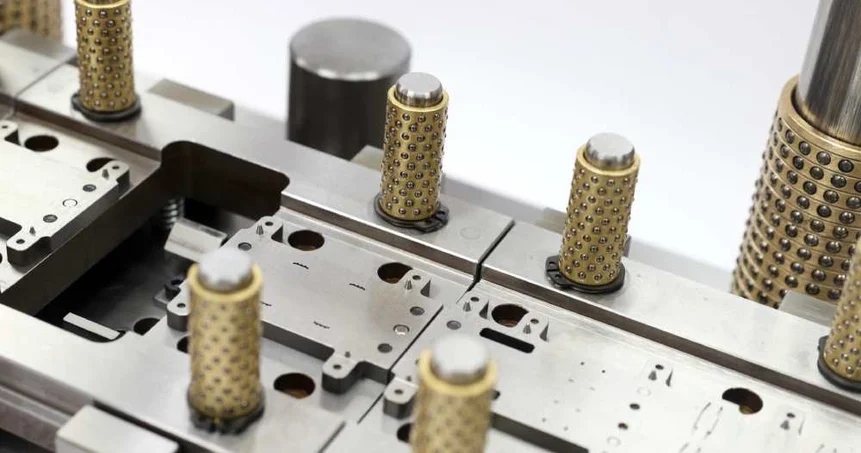
Precision and reliability are essential in metalworking, especially when it comes to integrating hardware into stamped steel components. Manufacturers and engineers alike seek steel stamping hardware insertion best practices to ensure robust assemblies, minimize defects, and streamline production. This guide explores proven methods, quality controls, and process optimizations that can help you achieve consistent results in your hardware insertion operations.
Whether you’re working with progressive die stamping, transfer presses, or manual insertion, understanding the nuances of hardware placement in steel is crucial. By following industry standards and leveraging modern techniques, you can improve product durability, reduce rework, and support high-volume manufacturing goals. For those also dealing with coated materials, you may find additional value in reviewing best practices for stamping coated steels to avoid surface damage and ensure compatibility with hardware insertion processes.
Understanding Hardware Insertion in Steel Stamping
Hardware insertion refers to the process of embedding fasteners—such as nuts, studs, standoffs, or bushings—into stamped steel parts. This operation is often performed during or after the stamping process, depending on production requirements and part design. The goal is to create a secure, permanent connection between the hardware and the metal substrate, supporting assembly and end-use performance.
There are several methods for hardware insertion, including:
- Press-fitting using dedicated insertion presses
- Self-clinching fasteners that deform the steel to lock in place
- Welding or riveting for high-strength applications
- Automated insertion within progressive dies
Choosing the right method depends on factors such as material thickness, hardware type, load requirements, and production volume.
Key Considerations for Optimal Hardware Placement
Implementing steel stamping hardware insertion best practices starts with careful planning and design. Here are some critical factors to address:
- Material Selection: Ensure the steel grade and hardness are compatible with the chosen hardware. Softer steels may deform more easily, while harder grades require higher insertion forces.
- Hole Preparation: Holes must be accurately punched or drilled to the correct diameter and free from burrs. Tolerances should align with hardware specifications to prevent loose or misaligned fasteners.
- Hardware Orientation: Proper alignment during insertion is vital to avoid cross-threading or incomplete seating. Use guides or fixtures where possible.
- Insertion Force: Apply the recommended force for each hardware type. Excessive force can damage the steel or hardware, while insufficient force may result in weak joints.
- Surface Cleanliness: Remove oils, debris, and oxidation from both the steel and hardware before assembly to promote a secure fit and prevent corrosion.
For those working with carbon steel, you can also reference best practices for stamping carbon steel to further optimize your process.
Process Controls and Quality Assurance
Maintaining high quality in hardware insertion requires robust process controls and ongoing inspection. Here are essential steps to ensure consistent outcomes:
- Standardized Work Instructions: Document every step of the insertion process, including machine settings, hardware orientation, and inspection points. This reduces variability and training time.
- Operator Training: Ensure all personnel are trained on equipment operation, safety protocols, and troubleshooting common issues.
- Regular Equipment Maintenance: Keep insertion presses, dies, and fixtures in optimal condition. For more on this, see stamping die repair and maintenance basics to minimize downtime and prevent defects.
- In-Process Inspection: Use go/no-go gauges, visual checks, and functional tests to verify correct hardware placement and retention.
- Final Quality Audits: Inspect finished assemblies for alignment, fit, and mechanical strength before shipment.
Automated vision systems and force monitoring sensors can further enhance quality assurance in high-volume operations.
Integrating Automation for Efficiency
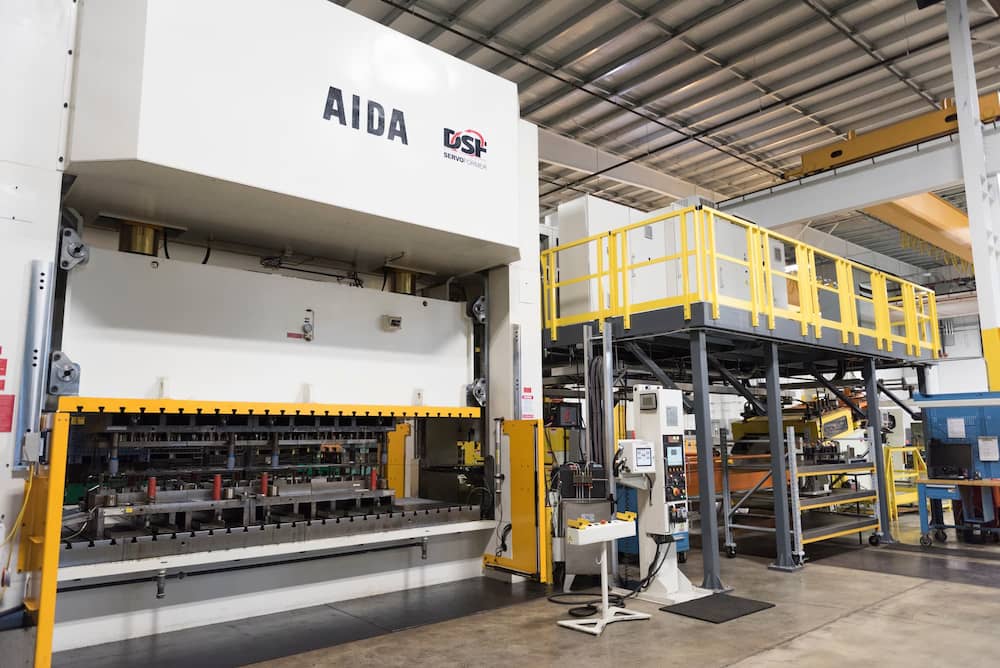
Modern manufacturing increasingly relies on automation to boost throughput and reduce labor costs. Automated hardware insertion systems can be integrated into progressive die lines or standalone cells, offering:
- Consistent insertion force and alignment
- Real-time defect detection and rejection
- Reduced manual handling and ergonomic risks
- Data collection for process improvement
When considering automation, evaluate the compatibility of your hardware and part designs, as well as the flexibility of the system for different product variants. For insights into leveraging technology, the role of artificial intelligence in stamping optimization is becoming increasingly relevant for predictive maintenance and adaptive process control.
Common Pitfalls and How to Avoid Them
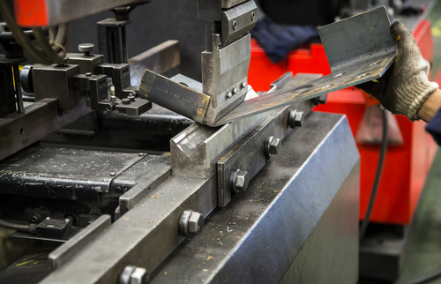
Even with robust systems in place, certain challenges can compromise the integrity of hardware insertion in steel stamping. Here are some frequent issues and solutions:
- Mismatched Hardware and Hole Sizes: Always verify that the hole diameter and hardware dimensions are within specified tolerances to prevent loose or damaged fasteners.
- Improper Insertion Force: Calibrate presses regularly and monitor force application to avoid under- or over-insertion.
- Surface Contamination: Implement cleaning steps before insertion to remove oils, dust, and debris that can weaken the joint.
- Tool Wear: Inspect and replace worn punches, dies, and insertion heads to maintain accuracy and prevent part damage.
- Inadequate Training: Refresh operator training periodically and provide clear documentation to minimize human error.
For those looking to further streamline their operations, learning how to reduce setup time for stamping dies can help minimize downtime and improve overall efficiency.
FAQ: Steel Stamping Hardware Insertion
What types of hardware are commonly inserted into stamped steel parts?
The most common hardware includes self-clinching nuts, studs, standoffs, bushings, and threaded inserts. The selection depends on the application’s mechanical requirements and assembly needs.
How can I ensure consistent hardware placement in high-volume production?
Use automated insertion equipment with force monitoring and vision inspection. Standardize work instructions and regularly maintain all tooling and machinery. In-process checks and operator training are also vital for repeatability.
What are the main causes of hardware insertion failures?
Failures often result from incorrect hole sizes, improper insertion force, contaminated surfaces, or worn tooling. Addressing these factors through process controls and regular inspections helps prevent defects.
Is it possible to automate hardware insertion in progressive die stamping?
Yes, many manufacturers integrate automated hardware insertion into progressive die lines, enabling high-speed, consistent placement. This approach is ideal for large production runs and complex assemblies.
Conclusion
Adhering to steel stamping hardware insertion best practices ensures robust, reliable assemblies and supports efficient, high-quality production. By focusing on material compatibility, precise hole preparation, proper insertion techniques, and rigorous quality control, manufacturers can minimize defects and maximize throughput. Automation and ongoing training further enhance process stability. For continued improvement, stay informed about new technologies and evolving industry standards.