
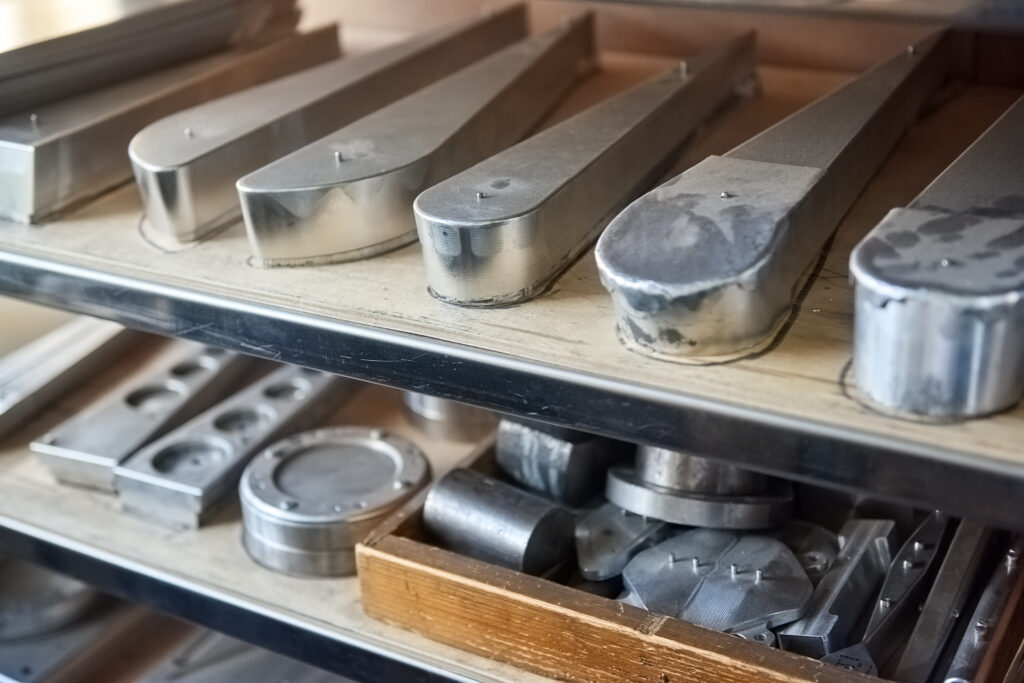
Stamping carbon steel is a core process in metal fabrication, relied upon for its efficiency and versatility in producing parts for automotive, construction, and industrial applications. However, working with carbon steel presents unique challenges due to its strength, hardness, and tendency to work-harden. Understanding the best practices for stamping carbon steel ensures consistent quality, extends tool life, and reduces production costs.
This article provides actionable guidance for manufacturers, engineers, and metalworkers seeking to optimize their carbon steel stamping operations. We’ll cover material selection, die design, lubrication, process control, and troubleshooting tips from industry experts. For those interested in related topics, you may also find value in our guide on best practices for stamping coated steels, which addresses techniques for handling coated and sensitive materials.
Understanding Carbon Steel Properties for Stamping
Carbon steel is classified by its carbon content, which influences its mechanical properties. Low, medium, and high carbon steels each respond differently to stamping operations. Generally, as carbon content increases, the material becomes harder and less ductile, making it more challenging to form without cracking or excessive tool wear.
- Low carbon steel (up to 0.3% carbon): Offers good ductility and is easier to stamp, making it suitable for deep drawing and complex shapes.
- Medium carbon steel (0.3–0.6% carbon): Provides a balance of strength and formability, but may require more robust tooling and careful process control.
- High carbon steel (0.6–1.0% carbon): Very strong and wear-resistant, but prone to cracking and springback during stamping.
Knowing the specific grade and properties of your carbon steel is essential for selecting the right stamping approach and die materials.
Material Preparation and Handling
Proper preparation of carbon steel before stamping is a foundational step in achieving high-quality results. Here are some key recommendations:
- Surface cleanliness: Remove scale, rust, and oils to prevent die wear and surface defects.
- Flatness and thickness consistency: Ensure material is within specified tolerances to avoid uneven forming and tool misalignment.
- Pre-lubrication: Apply appropriate lubricants to reduce friction and prevent galling, especially for higher carbon grades.
For more advanced guidance on evaluating steel formability, see our resource on how to interpret a forming limit diagram.
Die Design and Tooling Considerations
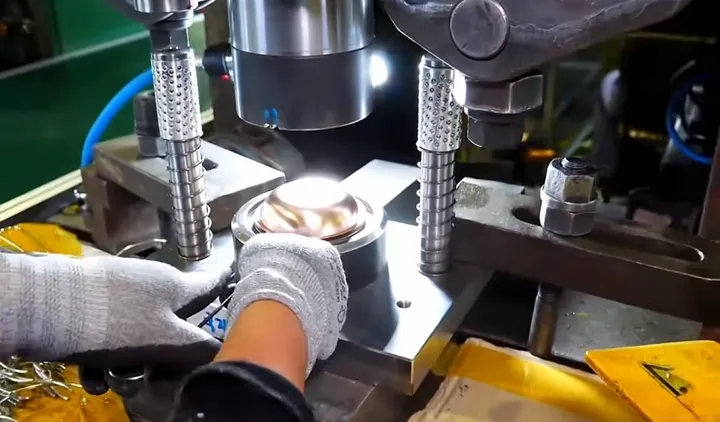
Effective die design is critical for stamping carbon steel efficiently and minimizing tool wear. Here are some expert tips:
- Material selection for dies: Use high-speed steel or carbide inserts for high-volume runs or when working with harder carbon steels.
- Clearance: Maintain proper die clearance—typically 10–20% of material thickness—to reduce burrs and prevent premature tool failure.
- Edge radii: Incorporate generous radii on forming features to reduce stress concentrations and avoid cracking.
- Strip layout: Optimize material usage and minimize scrap by careful strip design and nesting.
For applications requiring tight tolerances and edge quality, review our technical guide on steel stamping edge quality optimization.
Process Control and Quality Assurance
Maintaining process stability is essential for consistent results when stamping carbon steel. Consider the following best practices:
- Press settings: Monitor and adjust press speed, stroke, and tonnage to match material and part requirements.
- Lubrication management: Use the correct type and amount of lubricant, and ensure even application throughout the run.
- In-process inspection: Regularly check part dimensions, burr height, and surface finish to catch issues early.
- Tool maintenance: Inspect and sharpen dies as needed to prevent quality defects and extend tool life.
For high-volume or automated operations, consider integrating sensors and real-time monitoring to detect anomalies and reduce downtime.

Common Challenges and Troubleshooting Tips
Even with careful planning, issues can arise during the stamping of carbon steel. Here are some common problems and how to address them:
| Issue | Possible Causes | Solutions |
|---|---|---|
| Burr Formation | Insufficient die clearance, dull tooling | Increase clearance, sharpen or replace dies |
| Cracking | Too small radii, excessive forming, high carbon content | Increase radii, reduce forming depth, use lower carbon steel if possible |
| Springback | High strength material, improper die design | Compensate in die design, use restriking operations |
| Galling | Inadequate lubrication, improper die material | Improve lubrication, switch to harder die materials |
For more troubleshooting strategies, industry professionals often reference resources like this comprehensive guide to die wear and maintenance.
Advanced Techniques for Improved Results
To further enhance productivity and part quality when working with carbon steel, consider these advanced strategies:
- Progressive and transfer stamping: Choose the right process for your part geometry and production volume. Learn more about the differences in our article on how to choose between transfer and progressive stamping.
- Coatings and surface treatments: Apply coatings to dies to reduce friction and extend tool life, especially for high-strength or abrasive steels.
- Simulation and modeling: Use forming simulation software to predict material flow, thinning, and potential failure zones before production.
- Continuous improvement: Collect production data and feedback to refine processes and tooling over time.
Frequently Asked Questions
What type of lubricant is best for stamping carbon steel?
The ideal lubricant depends on the carbon content and stamping operation. For low carbon steels, light mineral oils or water-based lubricants may suffice. For higher carbon or high-strength steels, use heavy-duty synthetic or chlorinated lubricants to prevent galling and reduce die wear.
How can I reduce tool wear when stamping harder carbon steels?
Use die materials with high hardness and wear resistance, such as carbide or coated tool steels. Maintain proper die clearance, apply effective lubrication, and schedule regular die maintenance to minimize wear and prolong tool life.
Can progressive stamping be used for all carbon steel parts?
Progressive stamping is suitable for many carbon steel components, especially those with simple geometries and high production volumes. However, complex shapes or parts requiring multiple forming steps may benefit from transfer stamping or secondary operations. Evaluate your part design and production needs to select the optimal process.
Conclusion
Implementing best practices for stamping carbon steel is essential for achieving consistent quality, maximizing tool life, and maintaining cost-effective production. By understanding material properties, preparing steel properly, investing in robust die design, and maintaining process control, manufacturers can overcome common challenges and produce high-quality stamped parts. For further insights into related processes, explore our article on best practices for stamping electrical steel.