
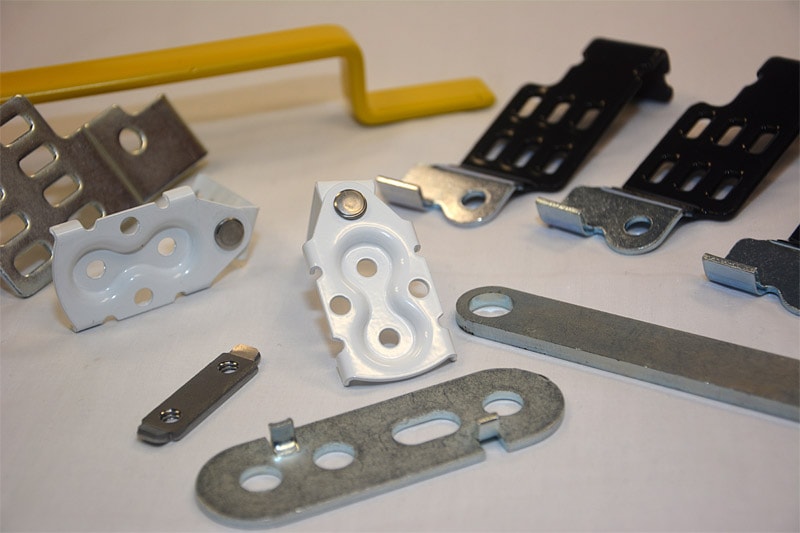
Achieving precise, clean edges in steel stamping is essential for manufacturers aiming to meet demanding specifications and minimize downstream processing. The quality of stamped edges directly impacts part performance, assembly fit, and even long-term durability. As production volumes and complexity rise, so does the importance of steel stamping edge quality optimization for both cost efficiency and product reliability.
This guide explores proven methods, technical considerations, and process adjustments that can help engineers and operators consistently produce superior edge finishes. Whether you are troubleshooting burrs, seeking to reduce die wear, or striving for tighter tolerances, understanding the variables that affect edge condition is crucial.
For those looking to further refine their stamping process, it’s also valuable to consider related factors such as stamping press vibration control tips, which can influence both edge quality and overall dimensional accuracy.
Understanding Edge Quality in Steel Stamping
The term “edge quality” refers to the characteristics of the cut or sheared edge produced during the stamping process. Key attributes include smoothness, burr height, rollover, and the presence of cracks or deformation. High-quality edges are typically smooth, free of excessive burrs, and exhibit minimal work hardening or micro-cracks.
Poor edge conditions can lead to assembly issues, increased wear on mating parts, and even premature failure in service. Therefore, optimizing the edge is not just about aesthetics—it’s a functional requirement for many applications.
Key Factors Affecting Stamped Edge Condition
Several variables influence the outcome of a stamped edge. Understanding and controlling these factors is central to any steel stamping edge quality optimization effort:
- Material Properties: Hardness, ductility, and thickness of the steel affect how it reacts to shearing forces. Softer materials may deform more, while harder steels can be prone to cracking.
- Die Clearance: The gap between punch and die is critical. Too little clearance increases burrs and tool wear; too much can cause excessive rollover and poor edge definition.
- Tool Sharpness and Condition: Dull or damaged punches and dies produce rougher edges and increase burr height.
- Press Speed and Force: The rate and consistency of force application can impact edge smoothness and the likelihood of defects.
- Lubrication: Proper lubrication reduces friction, heat, and tool wear, all of which contribute to a cleaner cut.
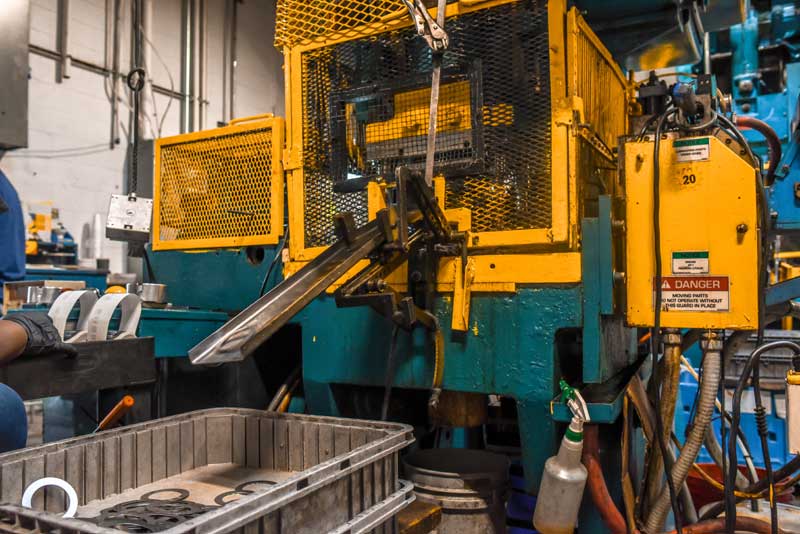
Optimizing Die Design and Maintenance
The design and upkeep of stamping dies play a pivotal role in edge quality. Key strategies include:
- Precision Machining: Ensure that punches and dies are manufactured to tight tolerances and surface finishes.
- Regular Maintenance: Implement a proactive maintenance schedule to inspect and resharpen tools before edge quality deteriorates. For detailed advice, refer to this comprehensive die maintenance guide.
- Die Material Selection: Use tool steels or carbide inserts for high-volume or abrasive applications to maintain sharpness longer.
- Optimized Die Clearance: Adjust clearance based on material type and thickness to balance burr height and rollover.
Die coatings and surface treatments can further reduce friction and wear, contributing to more consistent edge finishes over time.
Process Adjustments for Superior Edge Results
Beyond tooling, several process-level adjustments can enhance the quality of stamped edges:
- Press Speed Optimization: Slower speeds can sometimes yield cleaner cuts, especially in thicker or harder materials. For more on this, see the impact of press speed on part accuracy in steel stamping.
- Consistent Force Application: Hydraulic presses offer more uniform force, which can benefit edge consistency compared to mechanical presses.
- Advanced Lubrication: Choosing the right lubricant and application method reduces heat and tool wear. Explore guidance on how to select a steel stamping lubricant for your die setup.
- Material Handling: Proper alignment and support of the workpiece prevent unintended movement that can degrade edge quality.

Inspection and Measurement of Stamped Edges
Effective steel stamping edge quality optimization relies on accurate inspection and measurement. Common techniques include:
- Visual Inspection: Identifies obvious burrs, cracks, or deformation.
- Microscopy: Reveals micro-cracks or subtle surface irregularities not visible to the naked eye.
- Burr Height Measurement: Specialized gauges or optical systems quantify burr size, ensuring compliance with specifications.
- Surface Roughness Testing: Profilometers can assess the smoothness of the cut edge.
Consistent documentation and analysis of inspection results help identify trends and inform process improvements.
Integrating Edge Quality with Broader Stamping Goals
While optimizing the edge is crucial, it should be balanced with other production objectives. For example, achieving a mirror-like edge finish may not be necessary for all parts and could increase costs or reduce throughput. Consider the following:
- Application Requirements: Match edge quality to the functional and cosmetic needs of the part.
- Surface Finish Standards: Coordinate edge optimization with broader steel stamping surface finish requirements to avoid redundant processing.
- Press Selection: Evaluate whether a hydraulic or mechanical press is best suited for your edge quality targets. Learn more about the differences between hydraulic and mechanical stamping presses.
- Cost-Benefit Analysis: Weigh the benefits of improved edge quality against potential increases in tool maintenance, slower cycle times, or material costs.
Frequently Asked Questions
What causes excessive burrs in stamped steel parts?
Excessive burrs are often the result of improper die clearance, dull tooling, or incorrect press settings. Ensuring sharp punches and dies, maintaining optimal clearance, and regularly monitoring press parameters can significantly reduce burr formation.
How can I measure edge quality in steel stamping?
Edge quality can be assessed visually, but for precise measurement, use burr height gauges, optical comparators, or surface profilometers. Microscopic inspection is helpful for detecting micro-cracks or subtle defects.
Does press speed affect the quality of stamped edges?
Yes, press speed can influence edge condition. Higher speeds may increase heat and deformation, leading to rougher edges or more pronounced burrs. Adjusting speed and force application to match material and tool conditions is key for optimal results.
Is lubrication important for edge quality?
Proper lubrication reduces friction and heat, which helps maintain tool sharpness and produces cleaner edges. The choice of lubricant and application method should be tailored to the material and stamping process.
Conclusion
Consistently achieving high-quality edges in steel stamping requires a holistic approach—balancing material selection, die design, process parameters, and inspection methods. By focusing on the variables outlined in this guide and leveraging best practices, manufacturers can minimize defects, extend tool life, and produce parts that meet the most rigorous standards.