
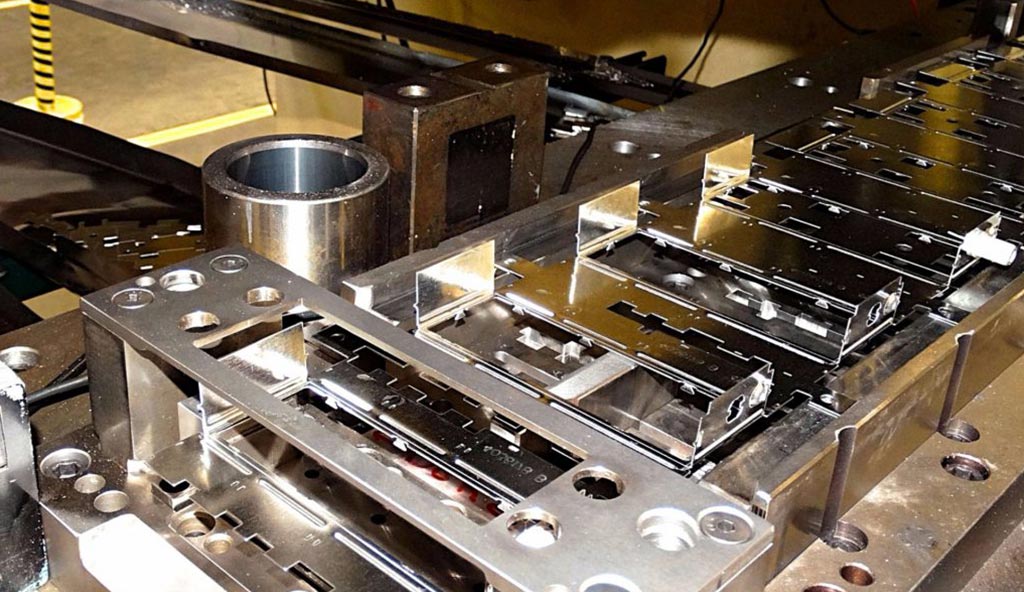
Choosing the best lubricant for steel stamping operations is a crucial step in achieving high-quality parts, minimizing die wear, and ensuring efficient production. The right choice can significantly impact tool life, surface finish, and even workplace safety. However, with a wide range of lubricants available—each designed for specific materials, processes, and environmental considerations—making an informed decision can be challenging. This article provides a practical guide to how to select a steel stamping lubricant that matches your die, material, and production needs.
Understanding the factors that influence lubricant performance is essential for anyone involved in metal forming. From the type of steel and die material to the stamping process and post-processing requirements, each element plays a role in determining the most suitable product. For a deeper dive into how material properties affect forming, see understanding ductility in steel stamping.
Key Factors When Choosing a Lubricant for Steel Stamping
Selecting the optimal lubricant involves evaluating several variables related to both the stamping process and the materials involved. Here are the primary considerations:
- Material Type: The grade and thickness of steel being stamped will dictate the lubricant’s viscosity and film strength requirements. Harder or thicker steels generally need more robust lubrication.
- Die Material and Coating: Tool steel, carbide, or coated dies (such as with TiN or DLC) may have different compatibility with certain lubricants. Some coatings are designed to work with minimal lubrication, while others require specific chemistries.
- Stamping Process: Deep drawing, blanking, piercing, or progressive stamping each place different demands on lubrication. Processes with higher friction or more severe deformation require lubricants with better extreme pressure (EP) properties.
- Post-Processing Needs: Consider whether the lubricant must be easily removed for welding, painting, or plating. Some lubricants are designed for easy wash-off, while others may leave residues that interfere with downstream operations.
- Environmental and Safety Requirements: Regulations may restrict the use of certain chemicals. Water-based or vegetable-based lubricants are increasingly popular for their lower environmental impact.
Types of Steel Stamping Lubricants and Their Applications
Understanding the main categories of lubricants can help narrow down your options. Here’s an overview of the most common types used in steel forming:
- Oil-Based Lubricants: These offer excellent lubricity and are suitable for heavy-duty operations. However, they may require more intensive cleaning after stamping.
- Water-Based Lubricants: Popular for their ease of removal and environmental benefits, these are typically used for lighter forming or where post-process cleaning is critical.
- Synthetic Lubricants: Engineered for specific performance characteristics, synthetics can provide high lubricity, low residue, and compatibility with a range of die materials.
- Dry Film Lubricants: These are applied as a coating and are ideal for high-speed or high-temperature operations where liquid lubricants may not perform well.
- Vegetable-Based Lubricants: These eco-friendly options are gaining traction, especially in applications where sustainability is a priority.
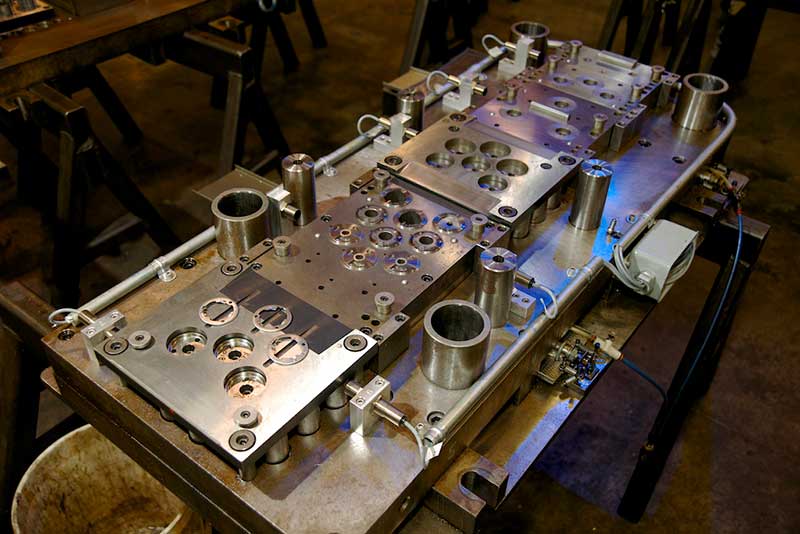
Evaluating Lubricant Performance for Your Die
To ensure the lubricant you select meets the demands of your operation, it’s important to assess its performance in real-world conditions. Here are some practical steps:
- Conduct Small-Scale Trials: Test candidate lubricants on a limited run to observe their effect on part quality, die wear, and ease of cleaning.
- Monitor Friction and Temperature: Excessive heat or galling during stamping may indicate insufficient lubrication or incompatibility with your die material.
- Inspect Finished Parts: Look for surface defects, scoring, or residue that could affect downstream processes.
- Track Tool Life: A good lubricant should extend the interval between die maintenance or regrinding.
For operations involving thick or high-strength steels, you may also want to review strategies for how to reduce tool wear in heavy gauge stamping.
Matching Lubricant to Stamping Process Requirements
The stamping method you use will influence which lubricant properties are most important. Here are some guidelines for common processes:
| Stamping Process | Lubricant Characteristics Needed |
|---|---|
| Blanking & Piercing | Moderate viscosity, good cooling, easy removal |
| Deep Drawing | High film strength, extreme pressure additives, minimal residue |
| Progressive Die Stamping | Consistent lubricity, compatibility with automated systems |
| High-Speed Stamping | Low foaming, stable at elevated temperatures |
Environmental and Safety Considerations in Lubricant Selection
Modern manufacturing increasingly prioritizes sustainability and worker safety. When evaluating how to select a steel stamping lubricant for your operation, consider:
- Regulatory Compliance: Ensure your lubricant meets local and international environmental standards.
- Worker Health: Choose products with low VOCs and minimal hazardous ingredients to reduce exposure risks.
- Waste Management: Water-based and biodegradable lubricants can simplify disposal and reduce environmental impact.
For more on responsible practices, see our article on the environmental impact of steel stamping processes.

Best Practices for Implementing and Maintaining Lubrication Systems
Once you’ve identified the ideal lubricant, proper application and maintenance are essential for consistent results. Here are some recommendations:
- Use automated or controlled application systems to ensure even coverage and minimize waste.
- Regularly clean dies and stamping equipment to prevent buildup and contamination.
- Monitor lubricant usage and adjust as needed based on production volume and part complexity.
- Train operators on safe handling and proper disposal procedures.
For additional safety tips, consult resources like metal stamping safety guidelines from industry experts.
Frequently Asked Questions
What are the main benefits of using the correct steel stamping lubricant?
The right lubricant reduces friction, minimizes die wear, improves part finish, and can lower production costs by extending tool life and reducing scrap rates.
How do I know if a lubricant is compatible with my die material?
Always check the manufacturer’s recommendations for both the die and lubricant. Conducting small-scale trials and monitoring for signs of galling or excessive wear can also help confirm compatibility.
Can environmentally friendly lubricants perform as well as traditional oil-based options?
Many modern water-based and vegetable-based lubricants offer excellent performance and are suitable for a wide range of stamping operations. However, for the most demanding applications, oil-based products may still be preferred.
Do I need to clean parts after stamping if I use a water-based lubricant?
While water-based lubricants are easier to remove, some cleaning is usually necessary before welding, painting, or plating to ensure optimal adhesion and finish.
How often should I change or replenish my stamping lubricant?
The frequency depends on production volume, part complexity, and the type of lubricant used. Regular monitoring and maintenance will help determine the optimal schedule for your operation.