
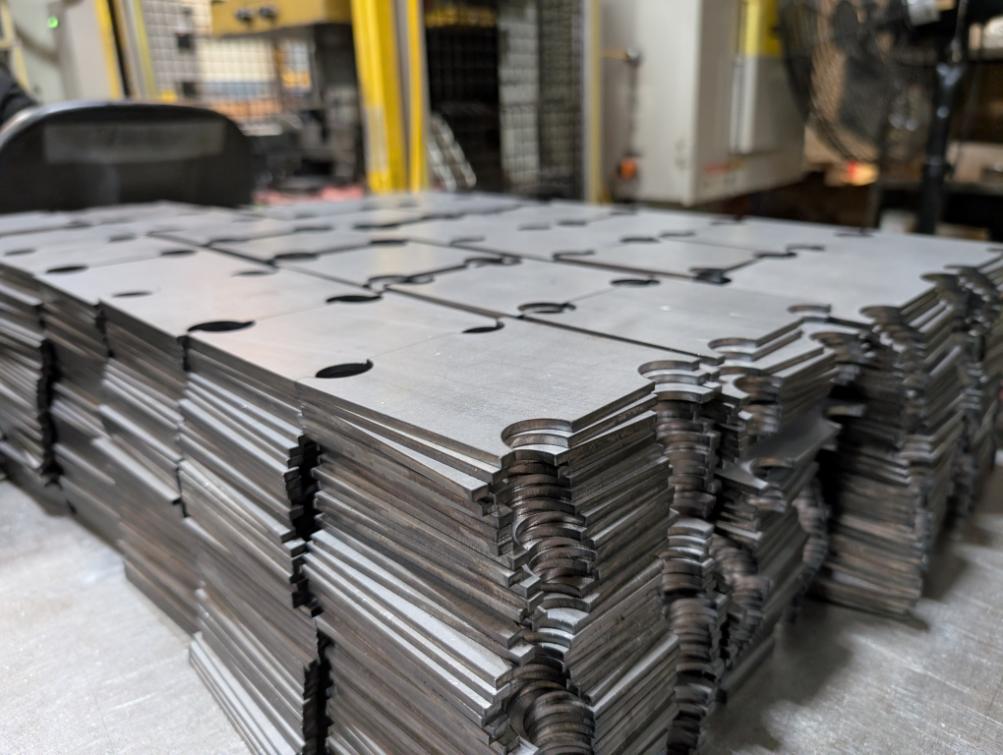
Electrical steel is a specialized material essential for manufacturing components in motors, transformers, and generators. Its unique magnetic properties make it ideal for energy-efficient devices, but also present challenges during the stamping process. Adopting best practices for stamping electrical steel ensures high-quality parts, minimizes material waste, and extends tool life. This article explores proven strategies, process controls, and practical tips for achieving optimal results when working with electrical steel.
Before diving into the technical details, it’s useful to understand how stamping electrical steel differs from working with other metals. The thinness, coatings, and brittleness of these alloys require careful handling and precise tooling. For those interested in related topics, you may also find value in our guide on best practices for stamping coated steels, which covers additional considerations for surface-sensitive materials.
Understanding Electrical Steel and Its Stamping Challenges
Electrical steel, also known as silicon steel or lamination steel, is engineered for low core loss and high permeability. These properties are crucial for efficient electromagnetic performance but can complicate the stamping process. The material is often supplied in thin sheets or coils, sometimes with insulation coatings to prevent eddy currents.
Some of the primary challenges encountered include:
- Edge burrs and microcracks due to the material’s brittleness
- Coating damage, which can reduce insulation effectiveness
- Tool wear from repeated high-precision cuts
- Maintaining tight tolerances for stack assembly
Understanding these issues is the first step toward implementing effective process controls and quality assurance measures.
Material Preparation and Handling
Proper preparation of electrical steel before stamping is essential for consistent results. Here are some key recommendations:
- Store coils and sheets in a clean, dry environment to prevent corrosion and contamination.
- Inspect incoming material for surface defects, flatness, and coating integrity.
- Use non-abrasive gloves and handling equipment to avoid scratching or denting the surface.
- Acclimate material to shop temperature to reduce the risk of condensation and warping.
Attention to these details helps preserve the properties of electrical steel and reduces the risk of defects during stamping.

Tooling Selection and Maintenance for Electrical Steel
Choosing the right tooling is critical for achieving precision in electrical steel stamping. Tool material, geometry, and maintenance all influence the quality of stamped parts and the longevity of the dies.
- Tool Steel Selection: Use high-speed steel or carbide for punches and dies to minimize wear and maintain sharp edges.
- Die Clearance: Maintain tight but appropriate die clearances—typically 5–10% of material thickness—to reduce burrs and edge cracking.
- Regular Sharpening: Establish a sharpening schedule based on production volume and material hardness to prevent tool degradation.
- Surface Coatings: Consider applying wear-resistant coatings to tooling to further extend service life and reduce friction.
Properly maintained tooling not only improves part quality but also reduces downtime and scrap rates.
Optimizing the Stamping Process
Process optimization is at the heart of best practices for stamping electrical steel. Fine-tuning press settings, lubrication, and automation can make a significant difference in efficiency and part quality.
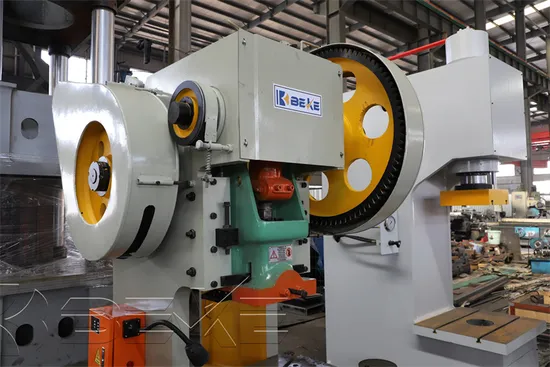
- Press Selection: Use presses with high rigidity and minimal deflection to ensure consistent part geometry.
- Feed Systems: Employ precision feeders and straighteners to maintain accurate material positioning and flatness.
- Lubrication: Select lubricants compatible with electrical steel coatings to prevent insulation breakdown and facilitate clean cuts.
- Process Monitoring: Integrate sensors and vision systems to detect misfeeds, tool wear, and part defects in real time.
Continuous monitoring and adjustment of these parameters help maintain high throughput and minimize rework.
Quality Control and Inspection Techniques
Ensuring the quality of stamped electrical steel parts is essential for downstream assembly and product performance. Implementing robust inspection protocols helps catch defects early and maintain high yield rates.
- Visual Inspection: Check for burrs, cracks, and coating damage after each production run.
- Dimensional Checks: Use coordinate measuring machines (CMM) or optical comparators to verify critical dimensions and tolerances.
- Coating Integrity: Test insulation resistance to confirm that coatings remain intact and functional.
- Stack Assembly: Periodically assemble sample stacks to ensure proper fit and alignment, which is crucial for transformer and motor efficiency.
Documenting inspection results and tracking trends can help identify process improvements and prevent recurring issues.
Reducing Burrs and Improving Edge Quality
Burr formation is a common issue when stamping electrical steel. Excessive burrs can interfere with stack assembly, increase iron losses, and damage insulation. To minimize burrs and achieve clean edges:
- Optimize die clearance and maintain sharp tooling.
- Use progressive dies for complex geometries to distribute cutting forces.
- Apply deburring processes such as brushing or tumbling for critical applications.
- Monitor press alignment and minimize lateral movement during stamping.
For more technical insights, our resource on steel stamping edge quality optimization provides in-depth strategies for achieving superior edge finishes.
Environmental and Safety Considerations
Stamping operations should prioritize both environmental responsibility and worker safety. Electrical steel often comes with organic or inorganic coatings that may emit fumes or particulates during processing. To address these concerns:
- Install effective ventilation and filtration systems in the stamping area.
- Provide personal protective equipment (PPE) such as gloves, safety glasses, and hearing protection.
- Train operators on safe handling and emergency procedures.
- Recycle scrap material responsibly to minimize environmental impact.
Adhering to these guidelines helps create a safer, more sustainable workplace.
Advanced Techniques and Industry Resources
As technology advances, new methods and tools are emerging to further improve the stamping of electrical steel. Laser cutting, servo-driven presses, and advanced coatings are just a few innovations making an impact. Staying informed about industry developments and best practices is crucial for maintaining a competitive edge.
For further reading on advanced methods, consider this comprehensive overview of die design and process improvements for electrical steel stamping. Keeping up with the latest research and case studies can help you implement the most effective solutions for your operation.
Frequently Asked Questions
What are the main causes of burrs when stamping electrical steel?
Burrs typically result from improper die clearance, dull tooling, or excessive press misalignment. Maintaining sharp tools and optimizing die geometry are key to minimizing burr formation.
How can I prevent coating damage during the stamping process?
Use compatible lubricants, handle material carefully, and select tooling with smooth surfaces. Regular inspection of both material and finished parts helps catch coating issues early.
What is the recommended die clearance for electrical steel?
Die clearance should generally be 5–10% of the material thickness. This range helps achieve clean cuts while minimizing edge cracking and burrs, but the exact value may vary depending on the specific grade and thickness of the steel.