
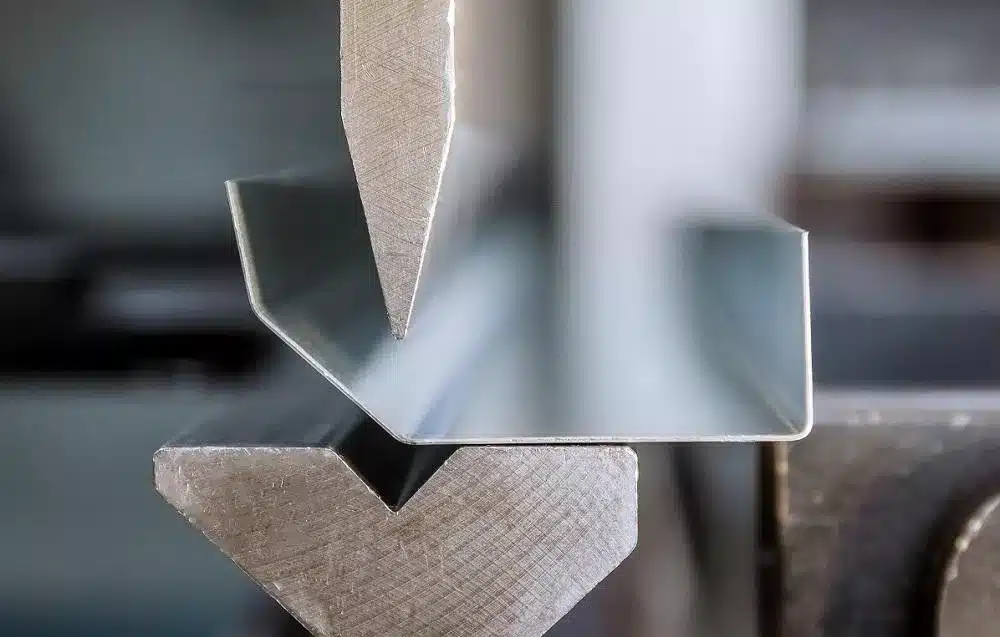
Reducing setup time for steel stamping dies is a critical factor in improving manufacturing efficiency, lowering costs, and increasing flexibility in production environments. The concept of SMED (Single-Minute Exchange of Die) provides a structured approach to minimize downtime during die changes, enabling manufacturers to respond quickly to changing demands and smaller batch sizes. In this guide, we’ll explore practical strategies, proven techniques, and actionable tips for streamlining die setup processes in metal stamping operations.
Whether you’re running a high-volume automotive line or a smaller job shop, understanding how to reduce setup time for stamping dies can unlock significant productivity gains. By implementing SMED principles and leveraging best practices, teams can cut changeover times from hours to minutes, reduce errors, and improve overall equipment effectiveness.
For those working with coated steels, reviewing the best practices for stamping coated steels can further optimize your setup and production quality.
Understanding SMED and Its Impact on Die Setup
SMED is a methodology developed to shorten the time required to complete equipment changeovers. In the context of metal stamping, this means reducing the period when the press is not producing parts due to die changes. The SMED process breaks down setup activities into two categories:
- Internal setup: Tasks that can only be performed when the machine is stopped (e.g., removing/installing dies, aligning tools).
- External setup: Tasks that can be done while the machine is running (e.g., preparing dies, gathering fasteners, pre-setting materials).
The goal is to convert as many internal activities as possible into external ones, streamlining the entire process and minimizing production interruptions.
Key Steps to Minimize Stamping Die Setup Time
Applying SMED principles to your stamping operations involves a systematic approach. Here are the most effective steps to achieve faster die changeovers:
1. Analyze and Document the Current Setup Process
Begin by observing and recording each step involved in your current die change routine. Use video or detailed notes to capture the sequence, tools used, and any delays. This documentation will help identify bottlenecks and unnecessary movements.
2. Separate Internal and External Activities
Review your process and classify each task as internal or external. For example, can die cleaning, bolt preparation, or lubrication be done before the press stops? By shifting these to external tasks, you reduce the actual downtime during changeover.
3. Standardize Tools and Procedures
Standardization is a cornerstone of efficient setups. Use quick-release fasteners, standardized die heights, and dedicated setup carts to ensure everything needed is available and consistent. This reduces searching time and the risk of errors.
4. Implement Quick-Change Devices
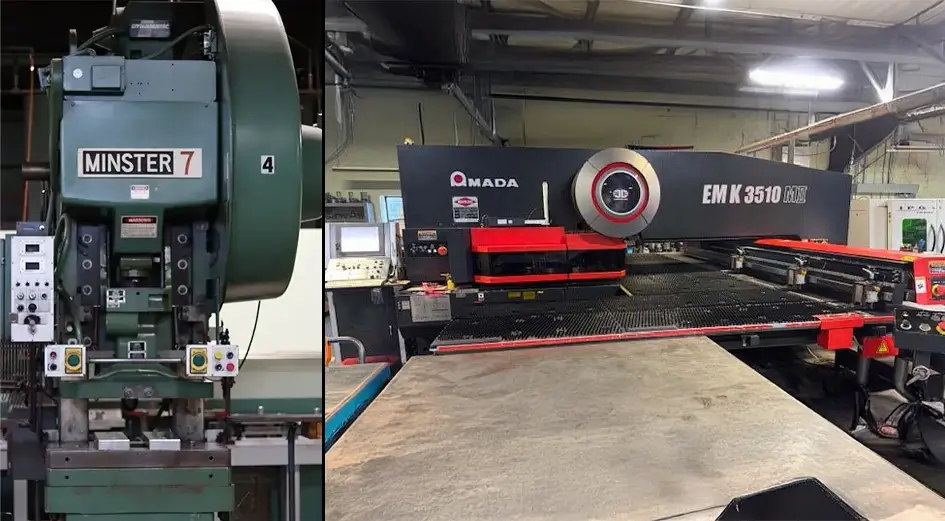
Investing in quick-change clamps, die lifters, and locating pins can drastically reduce manual adjustments and alignment time. These devices allow for rapid positioning and securing of dies, making the process more repeatable and less dependent on operator skill.
5. Train Operators and Encourage Teamwork
Well-trained teams are essential for fast and safe die changes. Conduct regular training sessions, create visual work instructions, and encourage collaboration between operators, maintenance, and toolroom staff. Cross-training ensures flexibility and reduces the risk of delays due to absent team members.
Advanced Techniques for Faster Die Changes
Beyond the basics, several advanced strategies can further enhance your setup efficiency:
- Pre-staging dies and materials: Prepare the next die and all necessary components near the press before the current run ends.
- Use of digital tools: Implement digital checklists, setup sheets, and sensors to guide operators and track progress in real time.
- Continuous improvement: Regularly review setup times, collect feedback, and implement incremental changes to sustain progress.
- Preventive maintenance: Keep dies, presses, and auxiliary equipment in top condition to avoid unexpected issues during changeovers.
Common Challenges and How to Overcome Them
While the benefits of reducing setup time are clear, several obstacles can arise during implementation:
- Resistance to change: Operators may be accustomed to traditional methods. Involve them early, highlight benefits, and provide hands-on training.
- Equipment limitations: Older presses may lack features for quick die changes. Retrofit with quick-change devices where possible, or prioritize upgrades for high-impact machines.
- Safety concerns: Rushed setups can lead to accidents. Always follow recommended safety precautions for metal stamping machinery and never compromise on protective measures.
Addressing these challenges requires a combination of leadership support, investment in technology, and a culture of continuous improvement.
Integrating SMED with Other Stamping Best Practices
Reducing die setup time is most effective when combined with other process optimization strategies. For example, understanding the how to interpret a forming limit diagram can help set up dies more accurately and prevent trial-and-error adjustments. Similarly, leveraging the role of artificial intelligence in stamping optimization can further automate and refine your setup routines.
When working with different materials, such as carbon steel, reference the best practices for stamping carbon steel to ensure your setup supports both speed and part quality.
Measuring Success: Key Metrics for Setup Time Reduction
To ensure your SMED initiatives deliver results, track these key performance indicators:
- Average setup time: Monitor the time from last good part to first good part after a die change.
- Frequency of setup errors: Track mistakes or rework required due to improper setups.
- Downtime percentage: Calculate the proportion of total production time lost to die changes.
- Operator feedback: Collect input from the team to identify ongoing pain points and improvement opportunities.
Regularly reviewing these metrics will help sustain progress and identify areas for further improvement.
FAQ: Reducing Setup Time for Stamping Dies
What is the most effective way to start reducing die setup time?
The best starting point is to document your current setup process in detail. By observing and recording each step, you can identify which activities can be moved from internal to external and prioritize changes that deliver the biggest time savings.
Are there risks to speeding up die changes?
While faster setups increase productivity, they must not compromise safety or part quality. Always follow proper safety procedures, use the right tools, and ensure operators are well-trained before implementing new methods.
How often should SMED improvements be reviewed?
Continuous improvement is key. Review setup times and processes regularly—at least quarterly—and encourage feedback from operators to keep refining your approach and maintaining gains.