
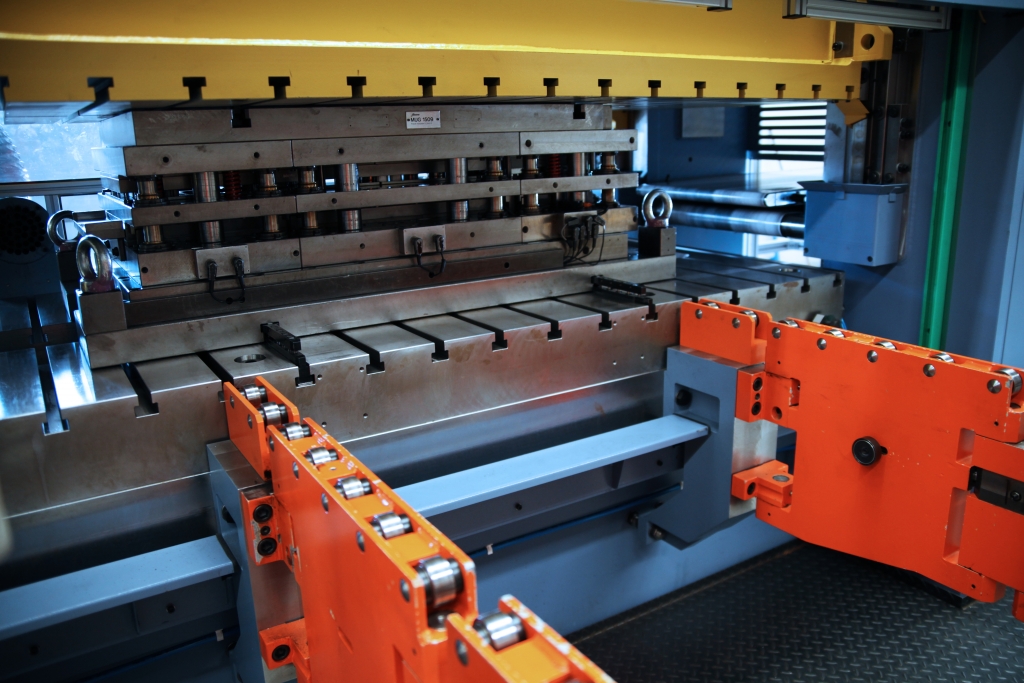
The integration of artificial intelligence into industrial manufacturing has transformed many traditional processes, and steel stamping is no exception. As manufacturers seek greater efficiency, precision, and adaptability, the role of artificial intelligence in stamping optimization has become increasingly significant. AI-driven solutions are now at the forefront of modernizing stamping operations, enabling real-time decision-making, predictive maintenance, and process improvements that were previously unattainable.
Steel stamping, a cornerstone of automotive, appliance, and construction industries, involves shaping metal sheets into precise components. Traditionally, this process was heavily reliant on operator expertise and fixed automation. However, the growing complexity of materials and demand for higher quality have made it essential to adopt smarter technologies. By leveraging AI, manufacturers can not only optimize production but also reduce waste, improve safety, and adapt quickly to changing requirements.
For those interested in advanced techniques, exploring steel stamping edge quality optimization can provide deeper insights into achieving superior results with AI-driven methods.
How AI Transforms Steel Stamping Operations
The adoption of artificial intelligence in steel stamping brings a new level of intelligence to the shop floor. AI systems analyze vast amounts of production data, learning from each cycle to identify inefficiencies, predict failures, and suggest process adjustments. This data-driven approach enables manufacturers to achieve consistent quality and minimize downtime.
One of the most impactful applications is in predictive maintenance. By monitoring equipment health through sensors and AI algorithms, potential issues can be detected before they cause costly breakdowns. This proactive strategy reduces unplanned stoppages and extends the lifespan of stamping presses and dies.
AI also enhances process control. Machine learning models can optimize press settings, adjust force and speed in real time, and adapt to variations in material properties. This results in fewer defects, lower scrap rates, and improved throughput.
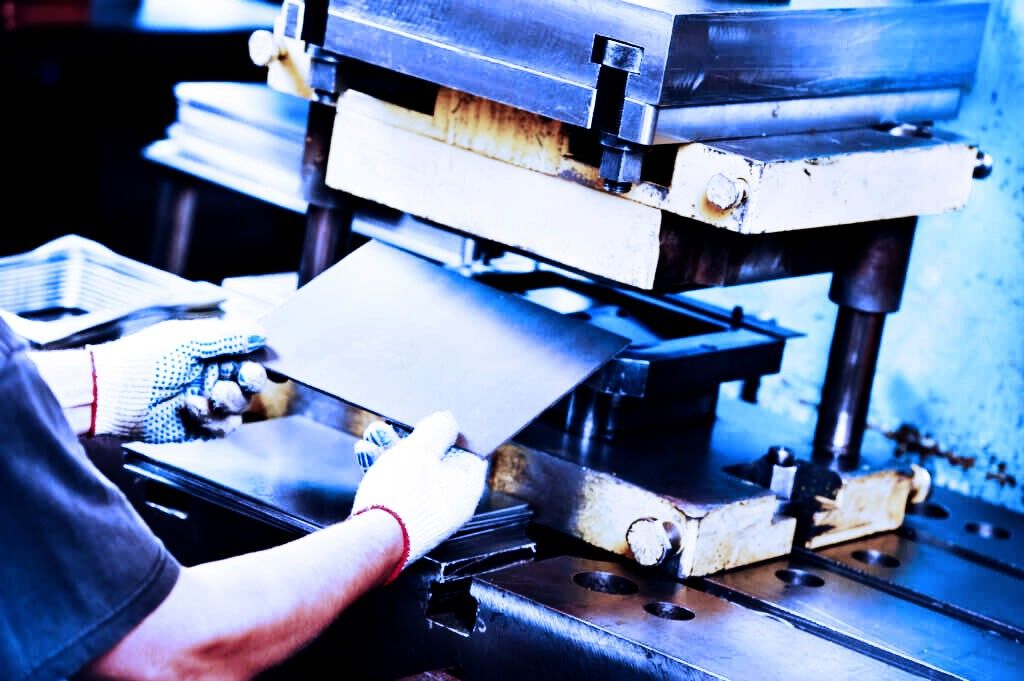
Key Benefits of AI-Driven Stamping Optimization
Embracing AI in steel stamping delivers a range of advantages that go beyond traditional automation. Here are some of the most notable benefits:
- Increased Productivity: AI algorithms optimize cycle times and reduce bottlenecks, allowing for higher output without sacrificing quality.
- Enhanced Quality Control: Real-time monitoring and feedback help detect defects early, ensuring that only parts meeting specifications proceed through the line.
- Reduced Waste: By minimizing errors and predicting material inconsistencies, AI helps lower scrap rates and conserve resources.
- Adaptive Manufacturing: AI systems can quickly adjust to new product designs or material changes, making the process more flexible and responsive.
- Improved Safety: Intelligent monitoring can alert operators to unsafe conditions, supporting a safer work environment. For more on safety, see this comprehensive guide to metal stamping safety.
Applications of AI in Steel Stamping Process Optimization
The role of artificial intelligence in stamping optimization extends across several key areas of the manufacturing workflow:
1. Predictive Maintenance and Equipment Monitoring
AI-powered systems use sensor data to monitor the health of stamping presses and dies. By analyzing vibration, temperature, and pressure readings, these systems can forecast when maintenance is needed, reducing unexpected downtime and maintenance costs.
2. Quality Assurance and Defect Detection
Computer vision and machine learning models inspect stamped parts for surface defects, dimensional accuracy, and edge quality. This automated inspection is faster and more consistent than manual checks, ensuring high standards are maintained throughout production.
For those working with coated or electrical steels, following best practices for stamping coated steels and best practices for stamping electrical steel can further enhance quality outcomes, especially when combined with AI-driven inspection.
3. Process Parameter Optimization
Machine learning algorithms analyze historical production data to recommend optimal press settings for each job. This includes adjusting force, speed, and lubrication to match material properties and part geometry, resulting in fewer defects and improved efficiency.

Challenges and Considerations in Implementing AI
While the advantages are clear, integrating AI into steel stamping is not without challenges. Manufacturers must consider the following factors:
- Data Quality: AI systems rely on accurate and comprehensive data. Incomplete or noisy data can lead to suboptimal recommendations.
- Integration with Legacy Equipment: Many stamping facilities operate older machines that may require upgrades or retrofitting to support AI-driven monitoring.
- Change Management: Introducing AI often requires new skills and workflows. Training staff and fostering a culture of innovation are essential for success.
- Cybersecurity: As more equipment becomes connected, protecting sensitive production data from cyber threats becomes increasingly important.
Despite these hurdles, the long-term benefits of AI adoption far outweigh the initial investment and learning curve.
Future Trends in AI-Enhanced Steel Stamping
The evolution of AI in manufacturing continues at a rapid pace. In steel stamping, future developments are likely to include:
- Deeper Machine Learning Integration: More advanced algorithms will further refine process optimization, enabling autonomous decision-making and self-correcting systems.
- Collaborative Robotics: AI-powered robots will work alongside human operators, handling repetitive or hazardous tasks and improving overall productivity.
- Cloud-Based Analytics: Centralized data analysis will allow manufacturers to benchmark performance across multiple facilities and implement best practices globally.
- Real-Time Supply Chain Optimization: AI will help synchronize stamping operations with upstream and downstream processes, reducing lead times and inventory costs.
As these trends continue, the role of artificial intelligence in stamping optimization will become even more integral to achieving competitive advantage in the metalworking industry.
FAQ: Artificial Intelligence in Steel Stamping
How does AI improve quality control in steel stamping?
AI systems use computer vision and machine learning to inspect stamped parts for defects and dimensional accuracy. This automated inspection is faster and more reliable than manual checks, ensuring consistent quality throughout production.
What are the main challenges of adopting AI in stamping operations?
Key challenges include ensuring high-quality data for AI models, integrating new technology with existing equipment, training staff to work with AI tools, and maintaining cybersecurity for connected systems.
Can AI help reduce downtime in stamping facilities?
Yes, predictive maintenance powered by AI can monitor equipment health and forecast potential failures, allowing maintenance to be scheduled proactively and minimizing unplanned downtime.
Where can I learn more about interpreting forming limit diagrams for steel stamping?
You can find detailed guidance in the article on how to interpret a forming limit diagram, which is especially useful for engineers and operators working with advanced steels.
In summary, the integration of AI into steel stamping processes is reshaping the industry by delivering smarter, more efficient, and adaptive manufacturing solutions. As technology advances, embracing these innovations will be key to maintaining quality, productivity, and competitiveness in the global market.