
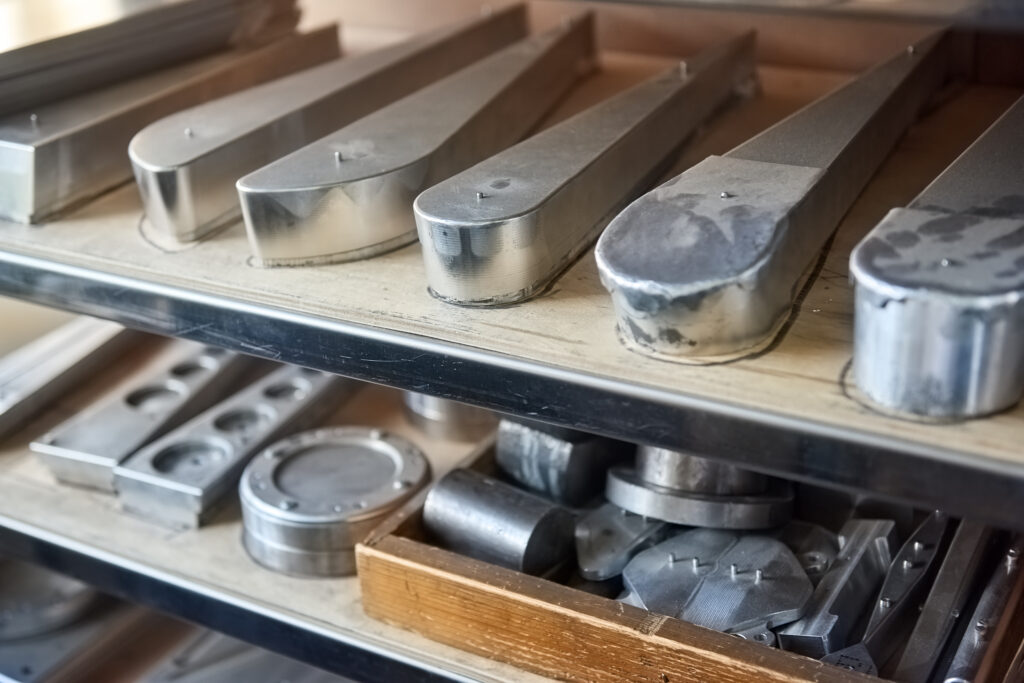
The role of bolster plates in stamping stability is a critical factor in the performance and safety of stamping press operations. Bolster plates serve as the primary mounting surface for dies and tooling, directly influencing the accuracy, repeatability, and overall structural integrity of the press system. Whether working with high-volume automotive parts or precision components, understanding how these plates contribute to process stability can help manufacturers achieve higher quality, longer tool life, and reduced downtime.
This article explores the essential functions of bolster plates, their impact on press performance, and best practices for ensuring optimal stability in metal stamping environments. For those seeking to improve their stamping operations or address issues like die misalignment and excessive vibration, a closer look at bolster plate design and maintenance is indispensable.
For those interested in related topics, you may also find value in our guide on best practices for stamping coated steels, which covers strategies to maintain surface integrity during stamping processes.
Understanding Bolster Plates and Their Purpose
A bolster plate is a thick, flat steel plate mounted on the bed of a stamping press. Its primary function is to provide a stable, level, and robust surface for securing dies and tooling during stamping operations. The plate absorbs and distributes the immense forces generated during each press cycle, helping to prevent deformation and ensuring that the die remains properly aligned.
The role of bolster plates in stamping stability extends beyond simply holding tools in place. These plates are engineered to minimize flexing, vibration, and wear, all of which can compromise part quality and press longevity. By acting as a buffer between the die and the press bed, bolster plates also protect the underlying structure from damage and excessive stress.
Key Contributions to Stamping Press Stability
Several aspects of bolster plate design and installation contribute directly to the stability and performance of stamping presses:
- Load Distribution: Bolster plates evenly distribute the forces exerted by the stamping process across a larger area, reducing localized stress and the risk of press bed deformation.
- Vibration Dampening: A well-designed plate absorbs and dampens vibrations caused by rapid press movements, which helps maintain die alignment and part accuracy.
- Precision Alignment: The flatness and rigidity of the bolster plate ensure that dies remain parallel to the ram and bed, minimizing the risk of misfeeds, uneven wear, and defective parts.
- Tooling Flexibility: Bolster plates often feature standardized hole patterns or T-slots, allowing for quick and precise mounting of various dies and fixtures.
These factors collectively enhance the stamping press stability and are essential for consistent, high-quality production.
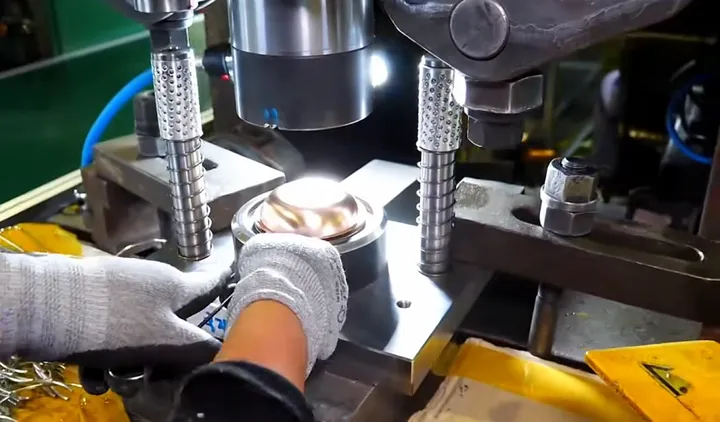
Material Selection and Manufacturing Considerations
The effectiveness of a bolster plate in supporting stamping stability depends heavily on material choice and manufacturing precision. Most plates are made from high-strength steel, often heat-treated for added durability. The thickness of the plate is determined by the size of the press, the tonnage, and the complexity of the stamping operation.
Precision grinding and machining are used to achieve the required flatness and parallelism. Even minor deviations can lead to uneven force distribution, die misalignment, and premature wear. Regular inspections and surface maintenance are recommended to ensure the plate remains in optimal condition.
Common Issues Linked to Bolster Plate Performance
When bolster plates are inadequately designed, installed, or maintained, several operational issues can arise:
- Die Misalignment: Warped or uneven plates can cause dies to seat improperly, leading to off-center hits and inconsistent part dimensions.
- Excessive Vibration: Thin or poorly supported plates may amplify press vibrations, increasing noise, reducing tool life, and causing quality defects.
- Press Bed Damage: Without proper load distribution, the press bed can develop cracks or permanent deformation, resulting in costly repairs and downtime.
- Difficulty in Tool Changes: Plates lacking standardized mounting features can slow down die changes and reduce production flexibility.
Addressing these issues requires a proactive approach to bolster plate selection, installation, and ongoing care.

Best Practices for Maximizing Stamping Stability
To ensure optimal performance and longevity of both the bolster plate and the stamping press, consider the following best practices:
- Regular Inspection: Frequently check the plate for signs of wear, warping, or surface damage. Address issues promptly to prevent downstream problems.
- Proper Installation: Ensure the plate is securely fastened and fully supported by the press bed. Use shims or leveling devices as needed to maintain flatness.
- Surface Maintenance: Keep the plate clean and free from debris, rust, or oil buildup. Surface grinding may be necessary over time to restore flatness.
- Upgrade When Needed: If stamping requirements change (e.g., higher tonnage or larger dies), consider upgrading to a thicker or higher-grade bolster plate.
- Follow Manufacturer Guidelines: Adhere to press and die manufacturer recommendations for plate thickness, mounting, and maintenance intervals.
For additional insights into optimizing press performance, explore our article on how to reduce hydraulic shock in stamping presses, which discusses strategies to minimize impact forces and extend equipment life.
Industry Insights and Further Reading
Industry experts emphasize the importance of bolster plate quality in achieving consistent stamping results. According to a detailed analysis of die and press bed interactions, improper plate selection is a leading cause of premature press failure and part defects. Investing in high-quality plates and adhering to strict maintenance protocols can yield significant long-term savings and improved product quality.
When working with advanced materials or high-speed presses, it is especially important to consult with tooling engineers and press manufacturers to ensure that bolster plates are specified correctly for the application.
Frequently Asked Questions
What is the main function of a bolster plate in a stamping press?
The primary role of a bolster plate is to provide a stable, flat, and durable surface for mounting dies and tooling. It distributes stamping forces evenly, minimizes vibration, and helps maintain die alignment, all of which are essential for consistent part quality and press longevity.
How does bolster plate thickness affect stamping stability?
Thicker plates offer greater rigidity and resistance to flexing, which enhances stability during high-force stamping operations. The appropriate thickness depends on press size, tonnage, and die requirements. Using a plate that is too thin can result in vibration, misalignment, and potential damage to the press bed.
How often should bolster plates be inspected or maintained?
Regular inspection is recommended, with the frequency depending on production volume and press usage. Look for signs of wear, warping, or surface damage, and perform maintenance such as cleaning or surface grinding as needed. Following a preventive maintenance schedule helps ensure long-term stamping stability.
Can a damaged bolster plate be repaired, or should it be replaced?
Minor surface damage can often be addressed through grinding or resurfacing, but plates with significant warping, cracks, or structural issues should be replaced to maintain safety and performance standards.
For those seeking to deepen their understanding of metal forming, our article on understanding work hardening in steel stamping offers valuable insights into material behavior during stamping operations.