
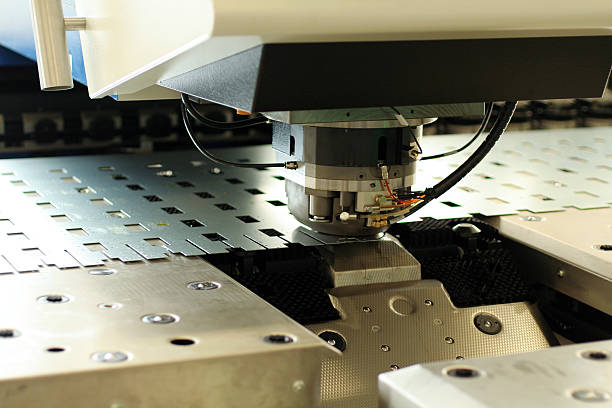
Work hardening, also known as strain hardening, is a fundamental concept in metal forming, especially within steel stamping operations. Manufacturers and engineers must grasp how steel’s properties change during stamping to ensure part quality, tool longevity, and process efficiency. This article offers a comprehensive look at the mechanisms, effects, and practical considerations of work hardening as it relates to modern steel stamping.
As steel is deformed during stamping, its internal structure undergoes significant changes. These changes can enhance strength but may also introduce challenges such as increased brittleness or tool wear. By understanding work hardening in steel stamping, professionals can make informed decisions about material selection, process parameters, and quality control.
For those interested in related topics, exploring best practices for stamping coated steels can provide additional insights into optimizing stamping operations and minimizing damage to specialized materials.
What Is Work Hardening in Metal Stamping?
Work hardening refers to the process by which a metal becomes stronger and harder as it is plastically deformed. In steel stamping, this occurs when the material is subjected to compressive and tensile forces as it is shaped by dies and presses. The atomic structure of steel changes, increasing dislocation density and making further deformation more difficult.
This phenomenon is particularly relevant in high-volume manufacturing, where repeated deformation can significantly alter the mechanical properties of the steel. While increased hardness can be beneficial for certain applications, it also requires careful control to avoid issues such as cracking or premature tool failure.
How Work Hardening Affects Steel Stamping Operations
The impact of work hardening during steel stamping is multifaceted. On one hand, it can improve the strength and wear resistance of stamped parts. On the other, excessive hardening can lead to challenges in forming complex shapes and maintaining dimensional accuracy.
- Increased Strength: As steel work hardens, it becomes more resistant to further deformation, which can be advantageous for parts requiring high durability.
- Reduced Ductility: The material becomes less ductile, making it more susceptible to cracking or failure during subsequent forming steps.
- Tool Wear: Hardened steel can accelerate wear on stamping dies, increasing maintenance costs and downtime.
- Springback: Work-hardened steel may exhibit greater springback, complicating efforts to achieve tight tolerances.
Understanding these effects allows manufacturers to adjust their processes, such as by modifying die design or selecting appropriate lubricants, to mitigate negative outcomes.
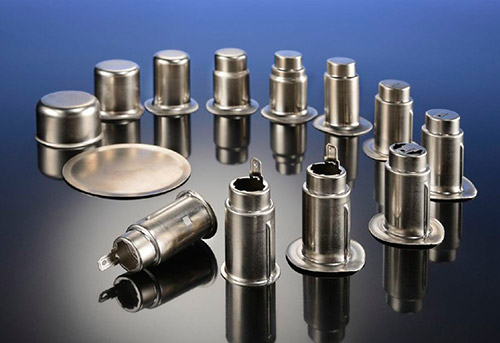
Mechanisms Behind Work Hardening in Steel
At the microscopic level, work hardening is driven by the movement and multiplication of dislocations within the steel’s crystal lattice. As the material is deformed, these dislocations interact and become entangled, making it increasingly difficult for the lattice to shift. This results in higher yield strength and hardness.
The degree of work hardening depends on several factors, including the type of steel, the amount of deformation, and the temperature at which stamping occurs. Low-carbon steels tend to work harden less than high-carbon or alloy steels, while higher deformation rates and lower temperatures generally increase the effect.
Managing Work Hardening During Stamping
Controlling work hardening is essential for maintaining product quality and prolonging tool life. Here are some strategies commonly used in the industry:
- Process Optimization: Adjusting press speed, stroke, and die geometry can help distribute deformation more evenly and reduce excessive hardening in localized areas.
- Material Selection: Choosing steel grades with appropriate work hardening characteristics for the intended application can minimize downstream issues.
- Intermediate Annealing: For complex parts requiring multiple forming steps, annealing between operations can restore ductility and relieve internal stresses.
- Lubrication: Proper lubrication reduces friction and heat, both of which can influence the extent of work hardening.
For those looking to further optimize their stamping operations, reviewing guidance on how to optimize stamping press counterbalance can provide valuable insights into improving efficiency and part quality.
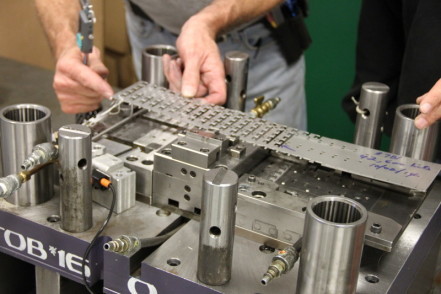
Quality Control and Inspection in Work-Hardened Steel Parts
Monitoring the effects of work hardening is crucial for ensuring that stamped parts meet specifications. Common inspection methods include hardness testing, tensile testing, and microscopic examination of grain structure. These tests help identify areas where excessive hardening or embrittlement may have occurred.
In addition, process monitoring—such as tracking press force and die wear—can provide early warning of issues related to work hardening. Implementing robust quality control protocols helps prevent costly rework and ensures consistent product performance.
Safety Considerations in Steel Stamping
Work hardening can make steel parts more difficult to handle and process, increasing the risk of injury or equipment damage. Operators should be trained to recognize signs of excessive hardening, such as increased resistance during forming or visible cracking.
Following established safety precautions for operating metal stamping machinery is essential. This includes using appropriate personal protective equipment, maintaining equipment in good condition, and adhering to recommended operating procedures.
Recent Advances and Future Trends
The field of steel stamping continues to evolve, with new technologies aimed at better controlling work hardening and improving process efficiency. For example, the integration of real-time monitoring systems and advanced simulation software allows manufacturers to predict and manage hardening effects with greater precision.
Emerging approaches, such as the role of artificial intelligence in stamping optimization, are enabling smarter process adjustments and predictive maintenance, reducing downtime and enhancing product quality.
FAQ: Work Hardening in Steel Stamping
What are the main benefits of work hardening in steel stamping?
Work hardening increases the strength and wear resistance of steel parts, making them more durable in demanding applications. This can be especially valuable for components that experience repeated stress or abrasion during use.
Can work hardening lead to problems in the stamping process?
Yes, excessive work hardening can reduce ductility, making steel more prone to cracking or failure during forming. It can also accelerate die wear and complicate efforts to achieve precise part geometries.
How can manufacturers control work hardening in their stamping operations?
Manufacturers can manage work hardening by optimizing process parameters, selecting suitable steel grades, using intermediate annealing, and applying proper lubrication. Regular inspection and process monitoring are also key to maintaining consistent quality.
By gaining a deeper understanding of how work hardening influences steel stamping, manufacturers and engineers can make better choices throughout the design and production process. For further reading on related topics, consider exploring steel stamping hardware insertion best practices or strategies on how to reduce setup time for stamping dies to further enhance your stamping operations.