
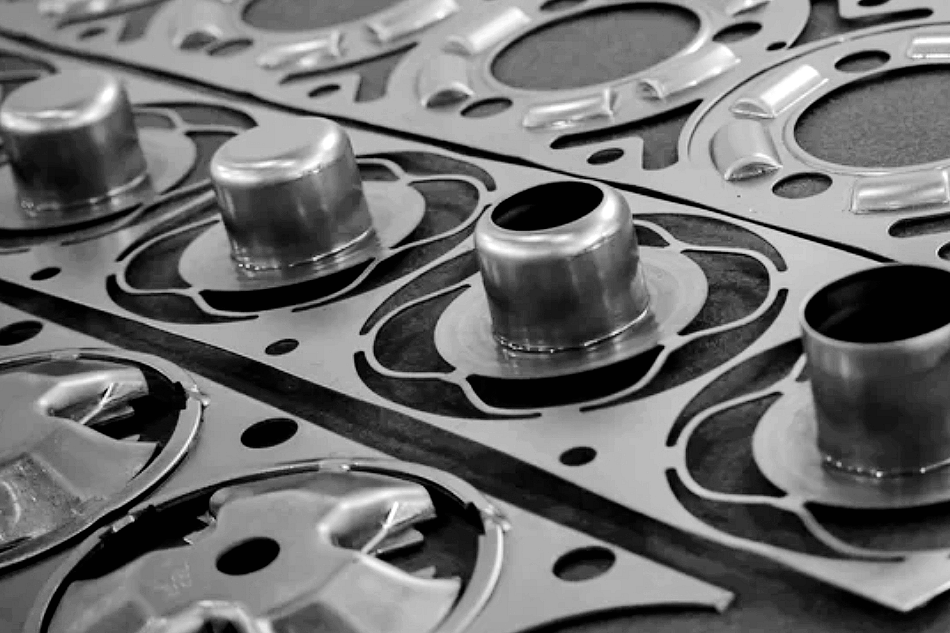
In steel stamping, the precision of each hole is crucial for the performance and reliability of the final product. One of the most significant factors influencing this precision is punching clearance—the intentional gap between the punch and die. Understanding the impact of punching clearance on hole quality can help manufacturers achieve cleaner edges, reduce tool wear, and minimize defects in stamped components.
This article explores how varying the clearance affects the characteristics of holes in steel stamping, discusses best practices, and provides actionable insights for engineers and operators. For those working with coated steels, reviewing best practices for stamping coated steels can further enhance your process and prevent surface damage.
Understanding Punching Clearance in Steel Stamping
Punching clearance refers to the space between the edge of the punch and the die in a stamping tool. This gap is typically expressed as a percentage of the material thickness. Selecting the right clearance is essential because it directly influences the quality of holes produced during the stamping process. Too little or too much clearance can lead to a range of issues, from excessive burrs to premature tool failure.
In most applications, the optimal clearance ranges from 5% to 15% of the sheet thickness. However, the ideal value depends on factors such as material type, thickness, and the desired finish. Adjusting this parameter allows manufacturers to control edge quality, dimensional accuracy, and the lifespan of tooling.
How Punching Clearance Affects Hole Quality
The impact of punching clearance on hole quality becomes evident when examining the finished holes under magnification. Proper clearance ensures a clean shear, minimal burrs, and consistent hole dimensions. Conversely, incorrect clearance can introduce several defects:
- Excessively Small Clearance: Leads to high punching force, rapid tool wear, and rough hole edges. The hole may also exhibit cracks or deformation.
- Excessively Large Clearance: Results in large burrs, tapered holes, and poor edge quality. The material may also experience excessive stretching, causing dimensional inaccuracies.
- Optimal Clearance: Produces holes with smooth edges, minimal burrs, and accurate dimensions, extending tool life and reducing secondary finishing operations.
Achieving the right balance is key to maintaining high productivity and minimizing rework. For more on optimizing related stamping processes, see our guide on how to reduce hydraulic shock in stamping presses.
Key Factors Influencing the Effects of Clearance
Several variables determine how clearance impacts the quality of holes in steel stamping:
- Material Type: Harder steels require slightly larger clearance to prevent cracking, while softer materials may tolerate tighter gaps.
- Material Thickness: Thicker sheets generally need increased clearance to allow for proper shearing and to avoid excessive tool stress.
- Tool Condition: Worn punches and dies can alter effective clearance, leading to inconsistent results even if the initial setup was correct.
- Lubrication: Proper lubrication reduces friction, helping maintain clean cuts and prolonging tool life.
By monitoring these factors, manufacturers can fine-tune their processes for optimal results. For those interested in hardware integration, our article on steel stamping hardware insertion best practices offers additional guidance.
Common Defects Linked to Improper Clearance
When the gap between punch and die is not correctly set, several defects may arise:
- Burr Formation: Large or uneven burrs are a common sign of excessive clearance. These require additional deburring, increasing production costs.
- Hole Taper: Oversized clearance can cause holes to be wider at the entry and narrower at the exit, affecting fit and assembly.
- Cracking and Deformation: Insufficient clearance increases punching force, leading to cracks around the hole and potential deformation of the part.
- Tool Damage: Both too much and too little clearance accelerate tool wear, resulting in more frequent maintenance and downtime.
Addressing these issues early helps maintain high standards in production and reduces the risk of costly rework or scrap.
Best Practices for Managing Punching Clearance
To achieve consistent and high-quality holes in steel stamping, consider the following best practices:
- Calculate Clearance Precisely: Use material specifications and thickness to determine the ideal gap. Many manufacturers provide clearance charts as a starting point.
- Regularly Inspect Tools: Check punches and dies for wear or damage, as these can alter the effective clearance and degrade hole quality.
- Monitor Output: Routinely inspect stamped holes for burrs, cracks, and dimensional accuracy. Adjust clearance as needed based on observed results.
- Document and Standardize: Record optimal clearances for different materials and thicknesses to streamline future setups and maintain consistency.
- Stay Informed on Safety: For a comprehensive overview of safe die operations, refer to this guide to sheet metal forming die operations safety.
Implementing these strategies can help reduce defects, extend tool life, and improve overall efficiency in steel stamping operations.
Additional Considerations for Advanced Stamping Operations
As stamping technology evolves, manufacturers are adopting more advanced materials and tighter tolerances. In these scenarios, the importance of proper clearance becomes even more pronounced:
- High-Strength Steels: These require careful adjustment of clearance to avoid cracking and excessive tool wear.
- Progressive Dies: In multi-stage operations, maintaining consistent clearance at each stage is vital for cumulative accuracy.
- Coated and Laminated Materials: Special attention is needed to prevent coating damage, which can be exacerbated by improper clearance. Explore best practices for stamping coated steels for more details.
For those interested in the metallurgical aspects, learning about understanding work hardening in steel stamping can provide further insights into how material properties interact with punching parameters.
Frequently Asked Questions
What is the recommended punching clearance for mild steel?
For mild steel, a clearance of 8% to 10% of the material thickness is generally recommended. This range provides a good balance between clean edges and tool longevity, but adjustments may be necessary based on specific requirements.
How does improper clearance affect tool life?
Incorrect clearance, whether too tight or too loose, increases tool wear. Tight clearances cause higher punching forces and potential chipping, while loose clearances lead to more burrs and uneven wear. Regular inspection and adjustment help maximize tool lifespan.
Can punching clearance impact dimensional accuracy?
Yes, the gap between punch and die directly affects the final size and shape of the hole. Too much clearance can result in oversized or tapered holes, while too little can cause deformation or cracking. Proper calculation ensures dimensional consistency.
Conclusion
Controlling the impact of punching clearance on hole quality is essential for producing reliable, high-quality steel stamped parts. By understanding the effects of clearance, monitoring tool condition, and following best practices, manufacturers can reduce defects, improve efficiency, and extend the life of their tooling. Staying updated on industry guidelines and safety practices further ensures optimal results in every stamping operation.