
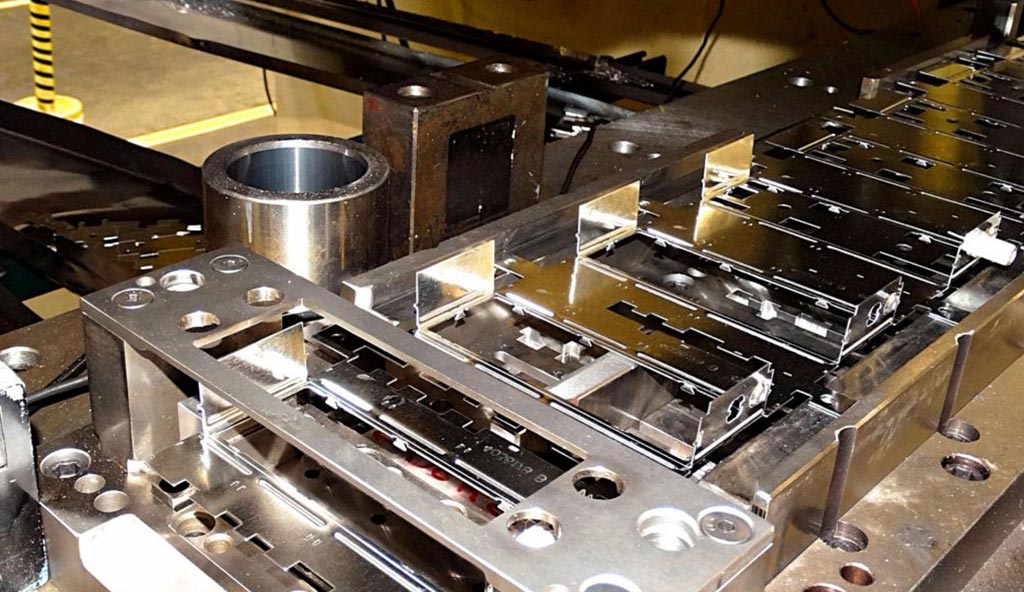
Efficient part ejection is a crucial factor in achieving high productivity and quality in steel stamping operations. When ejection is unreliable or inconsistent, it can lead to increased downtime, tool wear, and even damage to finished parts. Understanding how to optimize part ejection in stamping not only improves cycle times but also reduces scrap rates and maintenance costs. This article explores proven strategies, practical adjustments, and best practices to enhance ejection performance in steel stamping environments.
Whether you’re troubleshooting persistent ejection issues or designing a new die, focusing on the ejection phase can yield significant improvements. We’ll cover the mechanics of ejection, common challenges, and actionable solutions. For those working with coated materials, you may also find value in reviewing best practices for stamping coated steels to avoid damage during the process.
Understanding the Ejection Phase in Stamping
The ejection phase occurs immediately after the stamping die forms the part. At this point, the finished component must be removed from the die cavity to allow the next cycle to begin. If the part sticks or is not fully ejected, it can cause press stoppages, double hits, or even tool damage. Optimizing this step is essential for maintaining smooth production flow.
Several factors influence ejection efficiency, including:
- Die design and maintenance
- Material properties and lubrication
- Ejector pin placement and function
- Press settings and cycle timing
Key Factors Affecting Part Ejection Efficiency
To improve ejection, it’s important to analyze the root causes of sticking or incomplete removal. Here are the most common contributors:
- Die Surface Condition: Worn or rough surfaces increase friction, making it harder for parts to release.
- Material Springback: Some steels have a tendency to spring back and grip the die, especially high-strength grades.
- Improper Lubrication: Insufficient or uneven lubrication can cause parts to adhere to die surfaces.
- Ejector Pin Issues: Misaligned, worn, or undersized pins may fail to push parts out cleanly.
- Vacuum and Air Traps: Air pressure differences can create suction, holding the part in the die.
Addressing these issues is the first step toward a more reliable ejection process.
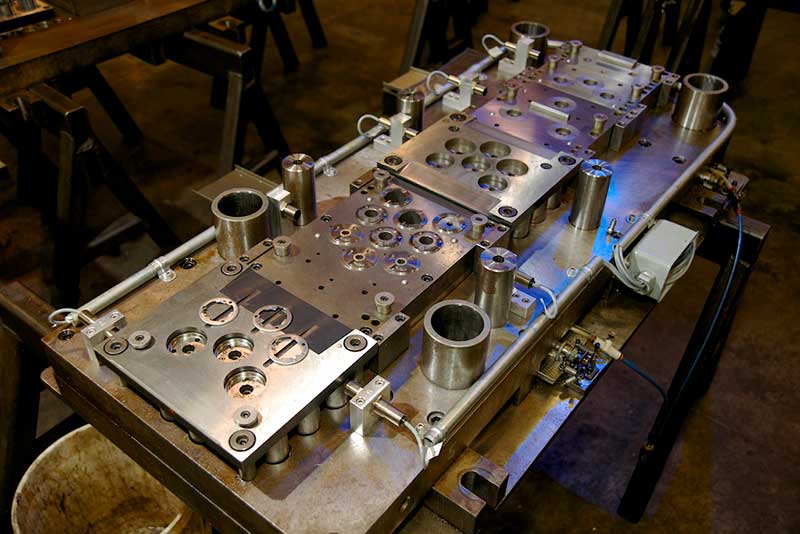
Die Design Strategies for Better Ejection
One of the most effective ways to enhance ejection is to address it at the die design stage. Here are several design-focused recommendations:
- Optimize Ejector Pin Placement: Distribute pins evenly and position them at points of maximum resistance to ensure uniform force on the part.
- Use Tapered or Polished Surfaces: Adding a slight taper to die cavities and polishing surfaces reduces friction and sticking.
- Consider Air Ejection: Integrating air jets or blow-off systems can help dislodge parts, especially for flat or lightweight components.
- Provide Adequate Clearance: Ensure there is enough space for the part to move freely without binding or scraping.
For those interested in sustainable manufacturing, integrating ejection improvements with how to design stamping dies for recyclability can further enhance both efficiency and environmental responsibility.
Maintenance and Operational Best Practices
Even the best-designed dies require regular maintenance to keep ejection systems working optimally. Consider these practices:
- Inspect and Replace Ejector Pins: Check pins for wear, bending, or sticking. Replace as needed to maintain consistent ejection force.
- Clean and Polish Die Surfaces: Remove buildup and polish surfaces to minimize friction.
- Monitor Lubrication: Use the correct type and amount of lubricant, and ensure it is applied evenly across the die.
- Check for Air Leaks: In air-assisted systems, inspect hoses and fittings to prevent loss of pressure.
- Calibrate Press Settings: Adjust press speed, stroke, and dwell time to match the requirements of the ejection system.
Regular maintenance not only improves ejection but also extends tool life and reduces unplanned downtime.
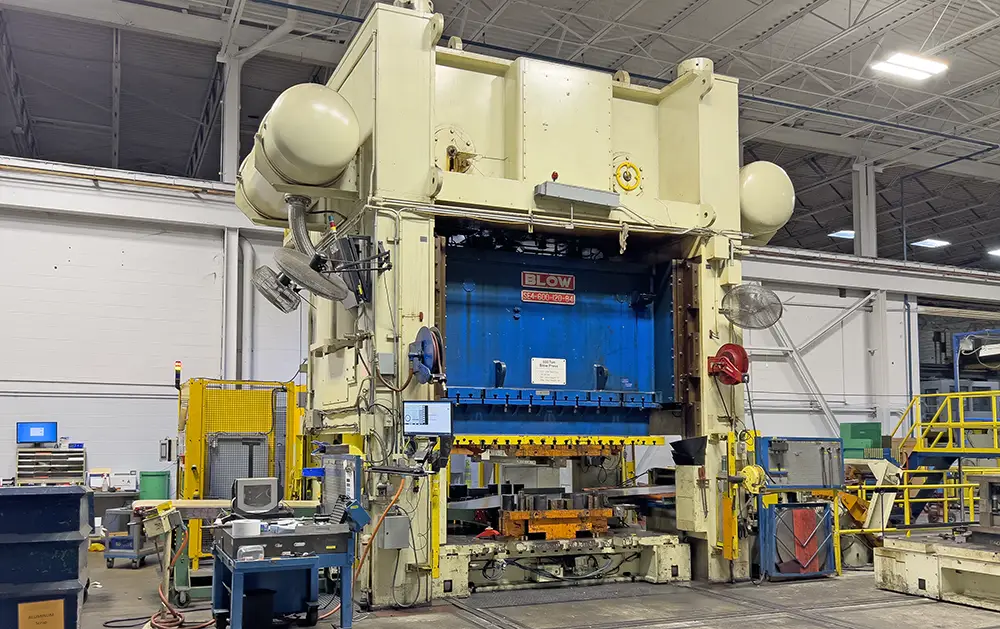
Process Adjustments to Improve Ejection in Stamping
Beyond die design and maintenance, several process-level adjustments can further optimize ejection:
- Fine-Tune Press Timing: Adjust the timing of the ejection sequence to ensure the part is fully released before the next cycle begins.
- Use Progressive Dies: In high-volume operations, progressive dies can automate both forming and ejection, reducing manual intervention.
- Monitor Part Alignment: Misalignment can cause parts to jam or stick. Use sensors or guides to maintain proper positioning.
- Implement Real-Time Monitoring: Sensors can detect incomplete ejection and trigger automatic stops, preventing tool damage and double hits.
For new operators, understanding steel stamping strip starting procedures can help prevent ejection issues from the outset by ensuring correct setup and alignment.
Quality Control and Safety Considerations
Optimizing ejection is not only about efficiency but also about safety and quality. Poor ejection can result in:
- Damaged or deformed parts
- Increased burrs or sharp edges
- Potential for operator injury during manual clearing
- Unexpected press stoppages
Implementing robust quality checks, such as measuring burr height (see steel stamping burr height standards), helps ensure that ejection systems do not compromise part quality. Additionally, following comprehensive metal stamping safety guidelines is essential for protecting personnel during troubleshooting or manual intervention.
Common Ejection Problems and Troubleshooting Tips
Even with careful planning, ejection issues can arise. Here are some typical problems and how to address them:
| Problem | Possible Cause | Solution |
|---|---|---|
| Part sticks in die | Insufficient lubrication, rough die surface, vacuum effect | Increase lubrication, polish die, add air vents |
| Ejector pin marks | Pins too small or misaligned | Use larger pins, check alignment |
| Double hits | Incomplete ejection, sensor failure | Install sensors, adjust timing |
| Part deformation | Excessive ejection force, improper pin placement | Reduce force, reposition pins |
FAQ: Optimizing Ejection in Steel Stamping
What are the most effective ways to reduce part sticking during ejection?
Reducing part sticking often involves improving die surface finish, ensuring proper lubrication, and adding air vents to eliminate vacuum effects. Regular die maintenance and the use of tapered cavities can also help parts release more easily.
How can I tell if ejector pins need replacement?
Signs that ejector pins require replacement include visible wear, bending, sticking, or leaving marks on the finished part. Regular inspection and preventive maintenance are key to avoiding unexpected failures.
Is it possible to retrofit existing dies for better ejection?
Yes, many existing dies can be upgraded by adding or repositioning ejector pins, integrating air blow-off systems, or polishing die surfaces. Consulting with a tooling engineer can help identify the most cost-effective modifications.
Conclusion
Improving how to optimize part ejection in stamping leads to higher productivity, better part quality, and safer operations. By focusing on die design, regular maintenance, and process adjustments, manufacturers can minimize downtime and maximize output. Integrating quality control and safety measures ensures that improvements in ejection do not come at the expense of part integrity or operator well-being. For further reading on related topics, explore resources on the role of bolster plates in stamping stability and other advanced stamping techniques.