
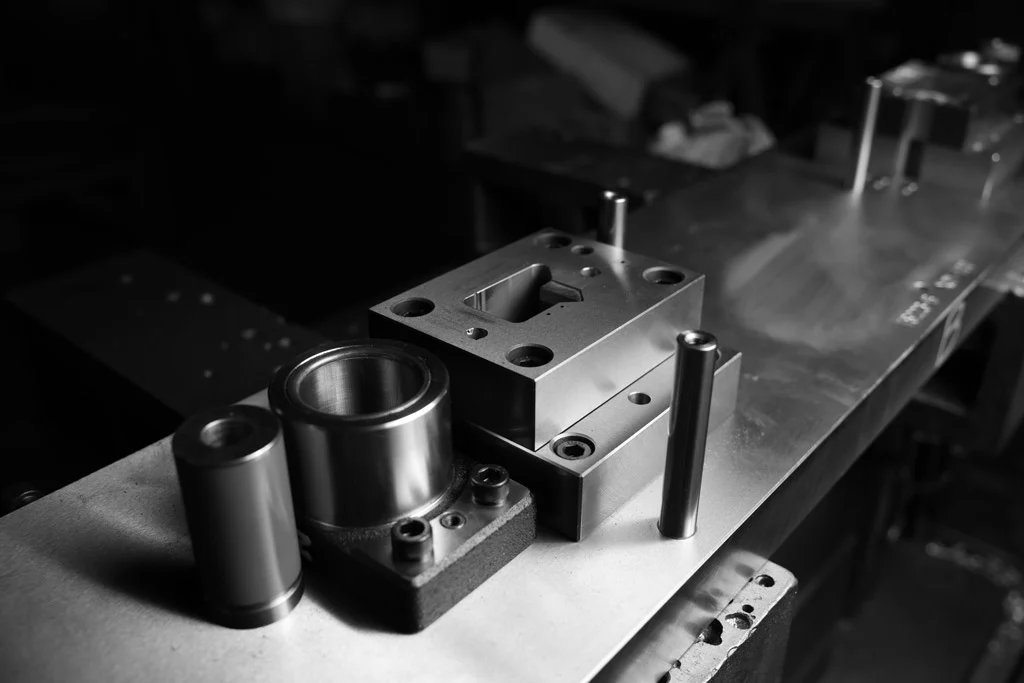
As industries move toward more sustainable manufacturing, the way stamping dies are designed plays a significant role in supporting recyclability. Optimizing die design not only reduces material waste but also ensures that stamped parts are easier to recycle at the end of their lifecycle. By focusing on material selection, part geometry, and process efficiency, manufacturers can make a measurable impact on environmental outcomes while maintaining high-quality production standards.
For those seeking to improve their processes, understanding how to design stamping dies for recyclability is essential. This guide explores practical strategies, design considerations, and best practices to help engineers and toolmakers create dies that support a circular economy. If you’re also interested in related topics such as best practices for stamping coated steels, you’ll find that many principles overlap, especially when it comes to minimizing contamination and maximizing material recovery.
Key Principles for Eco-Friendly Stamping Die Design
Designing dies with recyclability in mind requires a holistic approach. By considering the entire lifecycle of both the die and the stamped parts, manufacturers can reduce environmental impact and improve resource efficiency. Here are several core principles to guide your efforts:
- Material Compatibility: Select materials for both dies and stamped parts that are widely recyclable and avoid unnecessary coatings or composites that complicate recycling.
- Minimize Mixed Materials: Design parts to use a single metal type whenever possible, or ensure that different materials can be easily separated after use.
- Reduce Waste: Optimize nesting and blank layouts to minimize scrap generation during stamping operations.
- Facilitate Disassembly: Avoid features that make it difficult to separate components at end-of-life, such as permanent fasteners or complex assemblies.
- Standardize Features: Use standard hole sizes, radii, and geometries to simplify sorting and recycling processes.
Material Selection and Its Impact on Recyclability
One of the most influential factors in sustainable die design is the choice of materials. Using metals that are commonly recycled, such as steel or aluminum, ensures that stamped parts have a clear path to re-entry into the material supply chain. When possible, avoid alloys or coatings that introduce contaminants or require specialized recycling processes.
For example, galvanized or coated steels may require additional steps for recycling, so it’s important to follow steel stamping burr height standards and best practices to minimize surface contamination. Additionally, consider the recyclability of lubricants and other consumables used in the stamping process.
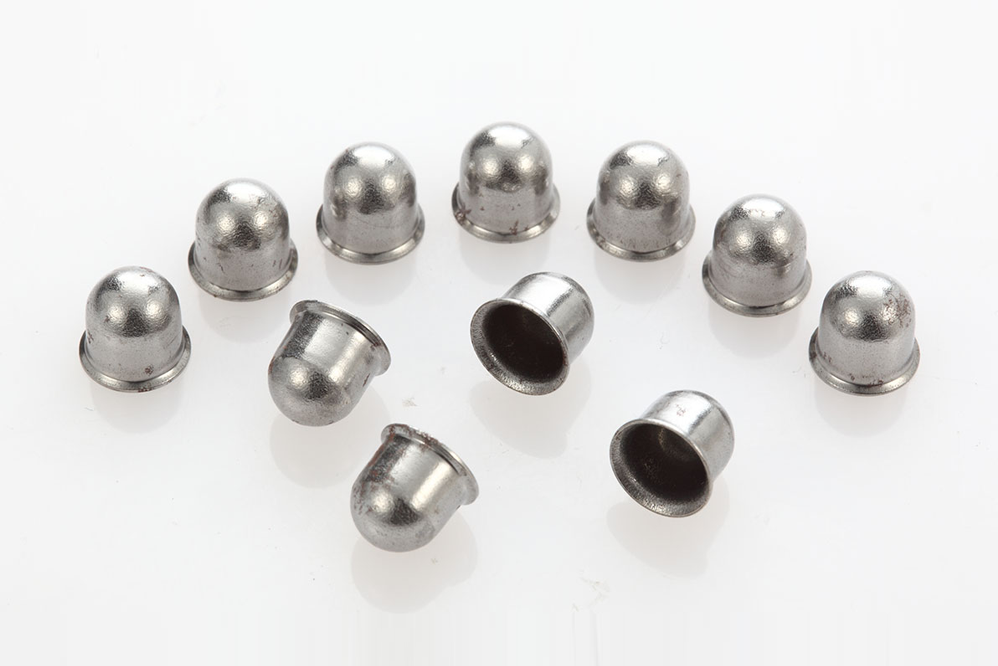
Optimizing Part Geometry for Sustainable Stamping
Geometry plays a crucial role in both the efficiency of stamping operations and the ease of recycling. When designing parts, aim for shapes that reduce offcuts and allow for efficient material usage. Avoid complex bends, deep draws, or intricate features that require excessive forming or secondary operations, as these can increase waste and energy consumption.
Consider the following tips:
- Use simple, open geometries that are easy to flatten and process in recycling streams.
- Incorporate features that allow for easy separation of different materials, such as snap-fits or mechanical fasteners instead of adhesives.
- Minimize the use of embossing, engraving, or other features that may introduce contamination or complicate sorting.
For new operators, reviewing steel stamping strip starting procedures can help ensure that parts are produced with minimal waste and optimal consistency, supporting both quality and sustainability goals.
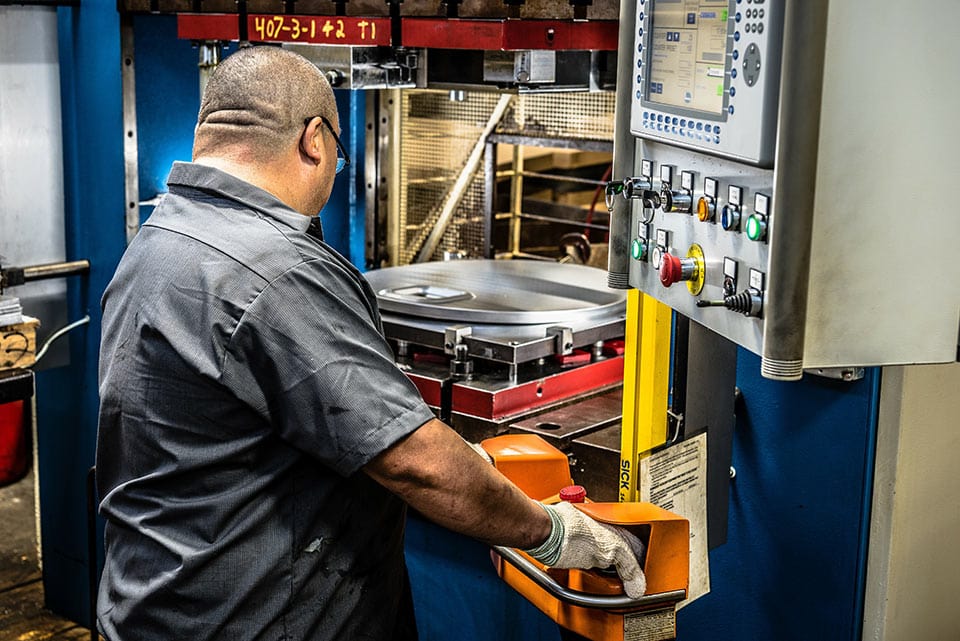
Reducing Scrap and Improving Material Yield
Scrap reduction is a direct way to improve both cost efficiency and environmental performance. By carefully planning the layout of parts on the sheet or coil, manufacturers can maximize the number of usable parts per batch and minimize leftover material. This not only saves money but also reduces the volume of scrap that must be recycled or disposed of.
Strategies include:
- Utilizing advanced nesting software to optimize part placement.
- Designing dies that accommodate multiple part sizes or shapes in a single run.
- Standardizing blank sizes to simplify inventory and reduce offcuts.
Regular audits of the stamping process can identify further opportunities for improvement. For more on this, see how to audit a steel stamping process for efficiency and sustainability gains.
Die Maintenance and Its Role in Sustainability
Proper maintenance of stamping dies extends their usable life and ensures consistent part quality. Well-maintained dies produce less scrap, reduce the risk of defects, and minimize downtime. This contributes to overall sustainability by lowering the demand for new tooling and reducing the environmental impact of manufacturing operations.
Key maintenance practices include:
- Regular inspection and cleaning to prevent buildup of debris or lubricants.
- Timely sharpening and repair of cutting edges to maintain precision.
- Documenting maintenance activities to track tool performance over time.
By integrating these practices, manufacturers can support both operational efficiency and environmental responsibility.
Safe and Responsible Stamping Operations
Safety and sustainability often go hand in hand. Adopting safe practices in metal stamping not only protects workers but also reduces the risk of contamination and waste. For a deeper dive into this topic, review safe practices of a precision metal stamper for actionable guidance on maintaining a responsible production environment.
Frequently Asked Questions
What materials are best for recyclable stamped parts?
Metals like steel and aluminum are ideal because they are widely recycled and have established recovery processes. Avoid using mixed metals or coatings that complicate recycling unless absolutely necessary.
How can die design reduce scrap generation?
By optimizing part layouts, using standard geometries, and minimizing unnecessary features, die design can significantly reduce the amount of scrap produced during stamping. Advanced nesting and careful planning are key strategies.
Are there industry standards for designing recyclable stamped parts?
While there is no single global standard, many manufacturers follow guidelines from organizations such as ISO and SAE, as well as internal best practices for material selection, process control, and part geometry to enhance recyclability.
Conclusion
Improving the recyclability of stamped parts starts with thoughtful die design. By focusing on material selection, part geometry, process optimization, and ongoing maintenance, manufacturers can create products that are easier to recycle and more sustainable overall. These strategies not only benefit the environment but also support operational efficiency and long-term profitability in the metal stamping industry.