
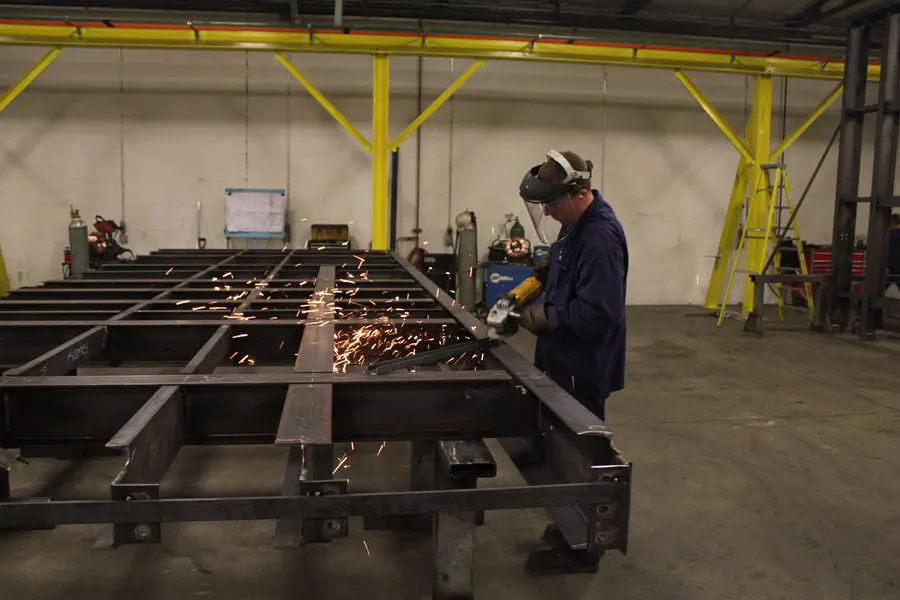
Maximizing output and minimizing waste are critical goals in metal manufacturing. As competition intensifies and raw material costs fluctuate, metal plants must adopt effective production yield improvement methods to remain profitable and sustainable. This article explores proven strategies, practical tools, and process optimizations that help metal facilities boost their yield, reduce scrap, and enhance overall efficiency.
Whether you operate a steel mill, fabrication shop, or specialty alloy plant, understanding and implementing yield optimization techniques can deliver measurable benefits. By focusing on process control, equipment upgrades, and data-driven decision-making, manufacturers can achieve higher throughput and improved product quality. For those interested in related sustainability efforts, exploring steel industry sustainability practices can further enhance operational performance and environmental responsibility.
Understanding Yield in Metal Manufacturing
Yield in metal plants refers to the ratio of usable finished product to the total raw material input. A higher yield means more of the purchased material is converted into sellable goods, while a lower yield indicates higher losses due to scrap, defects, or process inefficiencies. Improving this ratio is essential for cost control and profitability.
Common sources of yield loss include:
- Material handling errors and spillage
- Process scrap from cutting, stamping, or machining
- Defective products due to inconsistent process parameters
- Oxidation, scaling, or corrosion during processing
- Equipment malfunctions or improper tool setup
Addressing these issues requires a combination of technical solutions, staff training, and continuous monitoring.
Key Production Yield Improvement Methods
Implementing targeted strategies can significantly enhance yield in metal plants. Below are some of the most effective approaches:
1. Process Optimization and Control
Maintaining tight control over process parameters—such as temperature, pressure, and speed—helps reduce variability and minimize scrap. Advanced sensors and automation systems enable real-time monitoring and adjustment, ensuring consistent quality and reducing human error.
Statistical process control (SPC) tools can identify trends and deviations before they result in significant losses. By analyzing process data, operators can make informed adjustments and prevent recurring issues.
2. Equipment Upgrades and Maintenance
Outdated or poorly maintained equipment often leads to increased downtime and higher defect rates. Investing in modern machinery with improved precision and reliability can directly impact yield. Regular preventive maintenance schedules help avoid unexpected breakdowns and maintain optimal performance.
For example, using high-quality grinders and measurement tools ensures accurate cuts and reduces the likelihood of rework or scrap. Tools like the DEWALT Paddle Switch Grinder and Mitutoyo Digital Caliper are popular choices for their durability and precision.

3. Raw Material Quality and Handling
The quality of incoming materials directly affects yield. Sourcing from reputable suppliers and conducting thorough inspections upon receipt can prevent downstream issues. Proper storage and handling also reduce the risk of contamination, corrosion, or accidental damage.
Optimizing storage conditions—such as controlling humidity to prevent corrosion—can further protect material integrity. For more on this, see how to manage die storage humidity for practical tips on preventing material degradation.
4. Scrap Reduction and Recycling
Reducing scrap is a core component of yield improvement. This can be achieved by refining cutting patterns, optimizing stamping processes, and using simulation software to plan layouts that minimize offcuts. When scrap is unavoidable, implementing efficient recycling and recovery systems can reclaim valuable material and reduce overall losses.
Facilities interested in advanced recovery techniques can explore metal recovery from industrial waste to further enhance resource utilization.
5. Employee Training and Engagement
Well-trained staff are essential for maintaining high yield rates. Regular training programs ensure that operators understand best practices, equipment operation, and the importance of process discipline. Encouraging a culture of continuous improvement and involving employees in problem-solving can lead to innovative solutions and greater buy-in.
Advanced Tools and Technologies for Yield Enhancement
Modern metal plants increasingly rely on digital tools and automation to achieve higher yields. Key technologies include:
- Automated inspection systems for real-time defect detection
- Computer-aided manufacturing (CAM) for precise process control
- Industrial Internet of Things (IIoT) devices for data collection and analysis
- Simulation software to optimize process parameters and material flow
Adopting these technologies can help identify bottlenecks, reduce manual errors, and enable predictive maintenance, all of which contribute to improved yield.

Measuring and Monitoring Yield Performance
Consistent measurement is vital for tracking progress and identifying areas for further improvement. Key performance indicators (KPIs) include:
- Overall yield percentage
- Scrap rate by process or department
- Downtime due to equipment or material issues
- Rework rates and causes
Implementing dashboards and regular reporting cycles helps management and operators stay aligned on goals. For those interested in deeper technical analysis, a study on yield improvement in metal forming provides valuable insights into advanced methodologies and case studies.
Integrating Yield Improvement with Sustainability
Enhancing yield not only improves profitability but also supports environmental goals. Reducing waste and maximizing resource efficiency are key components of sustainable manufacturing. By integrating yield improvement with broader sustainability initiatives, such as energy efficiency and responsible sourcing, metal plants can strengthen their market position and meet regulatory requirements.
For a comprehensive look at sustainable practices, see steel industry sustainability practices for actionable strategies that complement yield optimization efforts.
Frequently Asked Questions
What is the most effective way to reduce scrap in metal plants?
The most effective approach combines process optimization, employee training, and the use of advanced tools. By continuously monitoring process parameters and involving staff in improvement initiatives, facilities can identify root causes of scrap and implement targeted solutions.
How does equipment maintenance impact production yield?
Regular maintenance ensures that machines operate at peak efficiency, reducing the likelihood of defects and unplanned downtime. Well-maintained equipment produces more consistent results, directly contributing to higher yield rates.
Can digital technologies significantly improve yield?
Yes, digital tools such as automated inspection systems, IIoT sensors, and simulation software enable real-time monitoring and predictive analytics. These technologies help identify inefficiencies and optimize processes, leading to measurable yield improvements.
Where can I learn more about optimizing material flow and process layout?
Resources such as how to optimize scrap chute angles and steel stamping material yield strength considerations offer practical guidance on improving material flow and maximizing yield in specific manufacturing contexts.
By adopting a combination of technical, organizational, and digital strategies, metal plants can achieve substantial gains in yield, quality, and sustainability. Continuous improvement and a commitment to best practices will ensure long-term competitiveness in the evolving metal manufacturing landscape.