
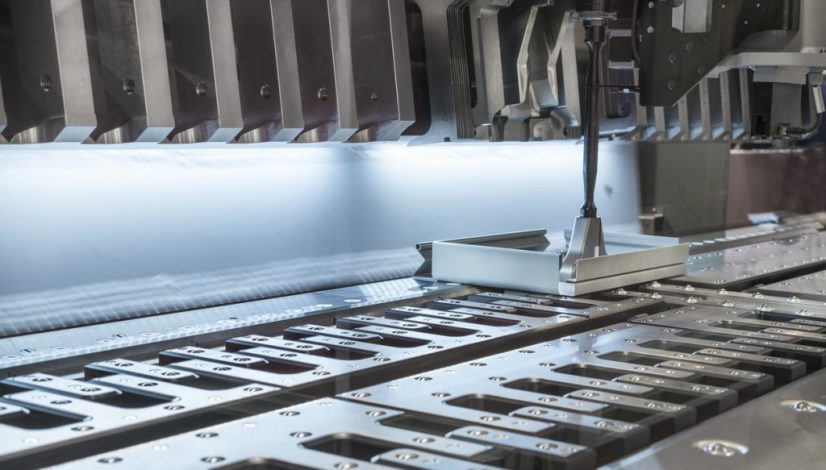
Proper control of die storage humidity is essential for any metal stamping or manufacturing operation. When humidity levels are not managed, dies are highly susceptible to corrosion, which can lead to costly repairs, increased downtime, and compromised part quality. Understanding the factors that influence moisture buildup and implementing effective strategies can significantly extend the life of your tooling and maintain consistent production standards.
This article explores practical methods for controlling moisture in die storage environments, the science behind corrosion, and actionable steps to protect your investment. For those interested in related topics, such as best practices for stamping coated steels, you’ll find further insights on optimizing your stamping processes.
Why Humidity Control Matters for Die Longevity
Humidity is a leading cause of die corrosion. When moisture in the air condenses on metal surfaces, it creates an environment where oxidation can occur rapidly. This is especially problematic for precision tooling, where even minor rust can affect dimensional accuracy and surface finish. Over time, neglecting humidity management leads to:
- Reduced die life due to pitting and rust formation
- Increased maintenance costs and unplanned downtime
- Lower product quality and potential for scrap
- Safety hazards from weakened or damaged tooling
By taking proactive steps to manage storage conditions, manufacturers can avoid these issues and ensure their dies remain in optimal condition between production runs.
Understanding the Science of Corrosion in Die Storage
Corrosion is an electrochemical process that occurs when metal surfaces react with oxygen and water. In environments where humidity exceeds 50-60%, the risk of rust increases dramatically. Factors that accelerate corrosion in die storage include:
- High ambient humidity, especially in unconditioned warehouses
- Temperature fluctuations causing condensation
- Presence of contaminants such as salts or acids
- Poor ventilation or stagnant air
Understanding these variables is the first step in developing an effective humidity management plan.
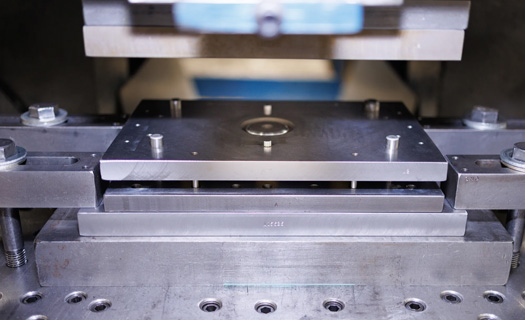
Key Strategies for Managing Humidity in Die Storage
There are several proven approaches to controlling moisture and preventing corrosion in die storage areas. The following strategies can be tailored to fit facilities of any size:
1. Environmental Controls and Monitoring
Installing climate control systems, such as dehumidifiers and HVAC units, is one of the most effective ways to regulate humidity. Modern monitoring devices can track temperature and relative humidity in real time, alerting staff to any deviations from safe levels. For best results:
- Maintain relative humidity below 50% in storage rooms
- Use data loggers to record environmental conditions
- Regularly calibrate sensors for accurate readings
Consistent monitoring helps identify trends and allows for timely adjustments before corrosion can develop.
2. Proper Die Preparation and Handling
Before storing dies, ensure they are clean and dry. Any residual coolant, lubricant, or debris can trap moisture and accelerate rusting. Recommended practices include:
- Thoroughly wiping down dies after use
- Applying a light coat of rust preventative oil or spray
- Using desiccant packs or vapor corrosion inhibitors (VCIs) in storage containers
- Sealing dies in protective wraps or bags for long-term storage
These steps create a barrier against moisture and contaminants, further reducing the risk of corrosion.
3. Storage Area Design and Organization
The layout and condition of your storage area play a significant role in humidity management. Consider the following improvements:
- Elevate dies off the floor to avoid contact with pooled water
- Ensure adequate spacing between dies for air circulation
- Install shelving or racks made from non-corrosive materials
- Keep storage areas clean and free from dust or chemical residues
A well-organized storage space not only minimizes corrosion risk but also improves workflow and inventory management.
Routine Inspections and Maintenance for Corrosion Prevention
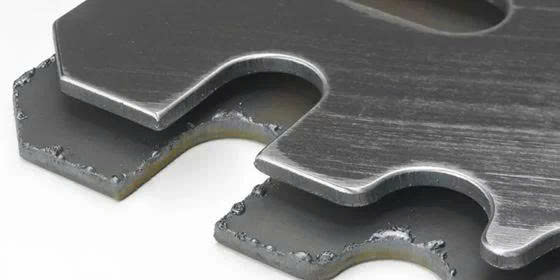
Regular inspection is a critical part of any die storage humidity management program. Schedule periodic checks to look for early signs of rust, pitting, or discoloration. If corrosion is detected, address it immediately by:
- Cleaning affected areas with approved solvents
- Reapplying protective coatings
- Repairing or refurbishing damaged surfaces as needed
Documenting inspection results helps track the effectiveness of your humidity control measures and supports continuous improvement.
Additional Resources and Industry Best Practices
For manufacturers seeking to deepen their understanding of die care, exploring related topics can provide valuable context. Articles such as steel stamping burr height standards and how to optimize part ejection in stamping offer insights into maintaining tooling quality and process efficiency.
Industry organizations and technical blogs also provide up-to-date recommendations. For example, the MCR Safety metal stamping blog covers a range of safety and maintenance topics relevant to die storage and corrosion prevention.
Frequently Asked Questions About Die Storage Humidity
What is the ideal humidity level for die storage?
The recommended relative humidity for die storage is below 50%. Maintaining this level minimizes the risk of condensation and slows the corrosion process, helping to protect your tooling investment.
How often should dies be inspected for corrosion?
It’s best to inspect stored dies at least once per month, or more frequently in high-humidity environments. Regular checks allow you to catch early signs of rust and take corrective action before damage becomes severe.
Are there specific products that help control humidity in storage areas?
Yes, several products can assist in managing moisture, including industrial dehumidifiers, desiccant packs, vapor corrosion inhibitors (VCIs), and climate monitoring systems. Choosing the right combination depends on your facility’s size and environmental conditions.
Can improper humidity management affect stamping quality?
Absolutely. Corroded dies can lead to defects such as burrs, uneven surfaces, or dimensional inaccuracies in stamped parts. This can result in increased scrap rates and reduced product reliability.
Conclusion
Managing humidity in die storage is a vital practice for any metal stamping operation. By understanding the causes of corrosion, implementing robust environmental controls, and maintaining a disciplined inspection routine, manufacturers can significantly extend die life and ensure consistent part quality. Investing in proper humidity management not only protects valuable tooling but also supports efficient, reliable production for years to come.