
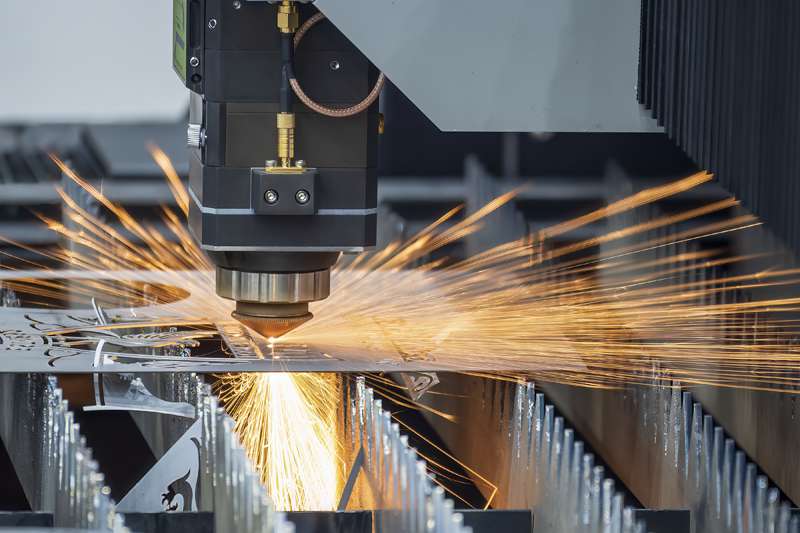
Efficient sourcing and production are critical in the metals industry, where margins can be tight and environmental pressures are growing. Supplier waste reduction programs metals initiatives are increasingly recognized as a strategic approach to minimize material loss, cut costs, and meet sustainability targets. By collaborating with suppliers to reduce waste at every stage, manufacturers can improve both their bottom line and their environmental impact.
This article explores how waste reduction strategies in metal supply chains are implemented, what benefits they offer, and how companies can partner with suppliers for better sourcing outcomes. We’ll also highlight practical steps, real-world considerations, and useful resources for those looking to optimize their metal procurement and fabrication processes.
For those interested in maximizing material efficiency in stamping operations, you may also want to review how to optimize scrap chute angles for steel stamping, which provides actionable insights on reducing scrap generation at the source.
Understanding Waste Reduction in Metal Supply Chains
Waste in the metals sector often results from inefficient cutting, over-ordering, poor process control, or lack of recycling. Supplier waste reduction programs metals initiatives focus on identifying these inefficiencies and working collaboratively to address them. The goal is to decrease the amount of unused or scrapped metal, whether in sheet, coil, rod, or other forms, throughout the procurement and manufacturing process.
Key elements of these programs include:
- Material yield optimization through better nesting and cutting practices
- Supplier collaboration on packaging, delivery, and return of offcuts
- Implementation of recycling and closed-loop systems
- Regular audits and feedback loops to monitor progress
Why Waste Reduction Matters for Metal Buyers and Fabricators
Reducing waste is not just about environmental compliance. It directly impacts cost, resource efficiency, and competitiveness. When suppliers and buyers work together to minimize scrap and excess, the benefits include:
- Lower raw material costs by purchasing only what is needed
- Reduced disposal fees and environmental liabilities
- Improved sustainability credentials for both supplier and customer
- Enhanced supply chain transparency and trust
For example, companies that adopt advanced nesting software or precision cutting equipment can achieve higher yields from each metal sheet or coil. These improvements often require close coordination with suppliers to ensure materials are delivered in optimal sizes and formats.
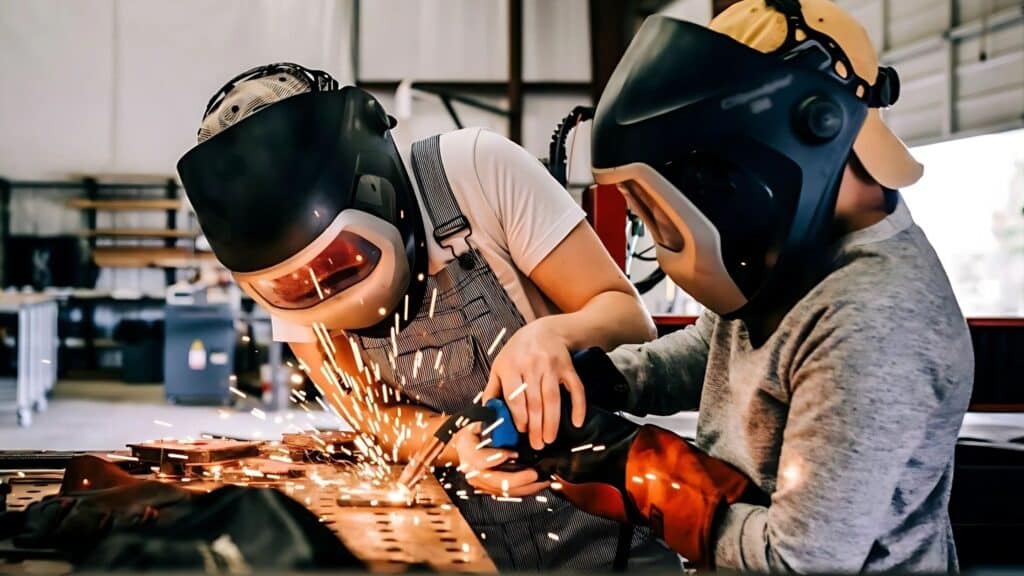
Key Components of Effective Supplier Waste Reduction Initiatives
Successful waste minimization programs in the metals industry share several core practices. These include:
- Joint Process Mapping: Suppliers and buyers work together to map out the entire material flow, from order placement to final product. This helps identify points where waste is generated and opportunities for improvement.
- Material Specification Alignment: Ensuring that the supplied metal matches the exact requirements for thickness, width, and grade minimizes offcuts and rework.
- Return and Reuse Systems: Establishing systems for returning unused offcuts or scrap to the supplier for recycling or reuse can close the loop and reduce landfill waste.
- Continuous Improvement: Regularly reviewing performance data and setting new targets fosters a culture of ongoing efficiency.
Incorporating these elements into supplier relationships leads to more predictable costs, fewer production delays, and a stronger commitment to sustainability.
Practical Steps to Launch a Waste Reduction Program with Metal Suppliers
Launching a successful waste reduction initiative requires planning and collaboration. Here are some practical steps:
- Assess Current Waste Streams: Begin by quantifying how much scrap or excess material is generated and where it occurs.
- Engage Suppliers Early: Share your goals and invite suppliers to participate in brainstorming solutions. Many suppliers already have best practices or technologies that can help.
- Set Measurable Targets: Define clear metrics, such as percentage reduction in scrap or improved material yield.
- Leverage Technology: Use digital tools for inventory tracking, nesting optimization, and process monitoring.
- Monitor and Adjust: Regularly review results and adjust strategies as needed.
For those working with coated steels, reviewing best practices for stamping coated steels can further reduce waste and avoid costly material damage.
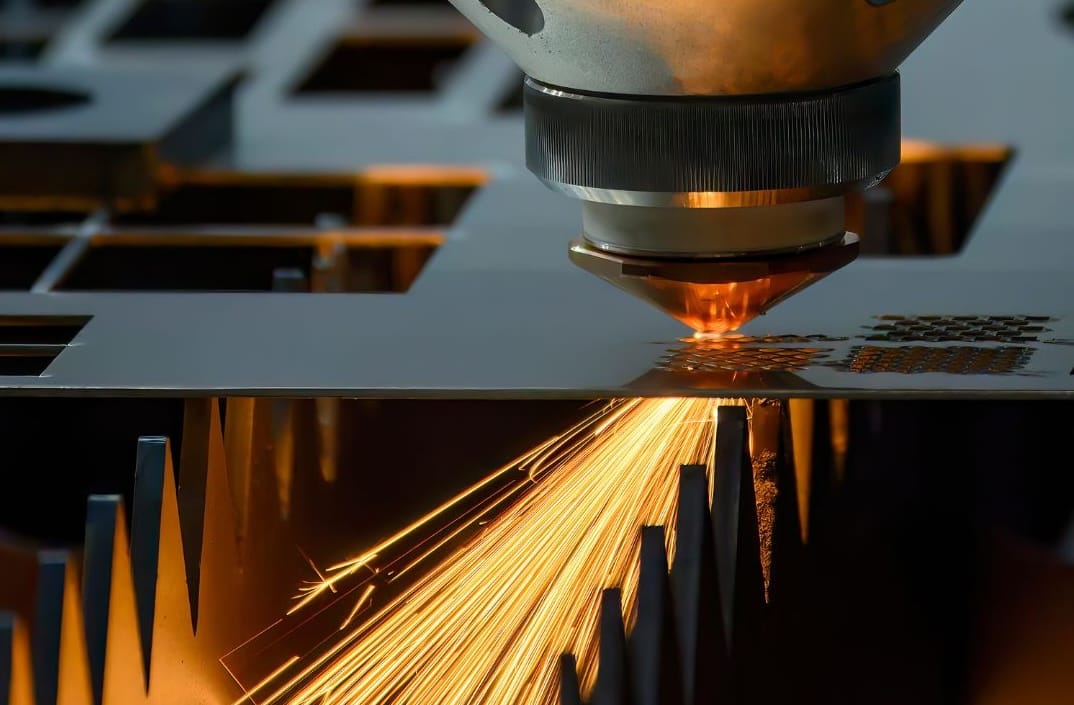
Challenges and Solutions in Metal Waste Minimization
While the advantages of reducing waste are clear, there are also practical obstacles. These include:
- Supplier Resistance: Some suppliers may be hesitant to change established processes. Building a business case that highlights mutual benefits can help.
- Data Gaps: Accurate tracking of material flow is essential. Investing in digital systems can bridge this gap.
- Complex Supply Chains: Multiple suppliers and subcontractors can complicate coordination. Focusing on high-impact areas first can yield quick wins.
For a deeper look at industrial waste management challenges and potential solutions, see this analysis of industrial waste management problems and prospects in the metals sector.
Integrating Waste Reduction with Broader Sourcing Strategies
Waste minimization should not be viewed in isolation. It is most effective when integrated with other sourcing and production strategies, such as:
- Lean manufacturing to eliminate non-value-added activities
- Supplier scorecards that include waste and sustainability metrics
- Design for manufacturability to reduce complexity and scrap
- Regular supplier audits to ensure ongoing compliance and improvement
By embedding waste reduction into sourcing decisions, companies can build more resilient and responsible supply chains.
Frequently Asked Questions
What are the main benefits of supplier waste reduction programs in the metals industry?
The primary benefits include lower material costs, improved sustainability, reduced environmental impact, and stronger supplier relationships. These programs also help companies stay compliant with regulations and enhance their reputation with customers and stakeholders.
How can metal buyers encourage suppliers to participate in waste reduction efforts?
Buyers can engage suppliers by sharing their goals, offering incentives for improvement, and collaborating on process mapping and material specification. Open communication and shared targets are key to building trust and achieving results.
What technologies support waste reduction in metal fabrication?
Technologies such as advanced nesting software, digital inventory management, and precision cutting equipment can significantly improve material yield. Data analytics and real-time monitoring also help identify waste hotspots and track progress.
Conclusion
Adopting supplier waste reduction programs metals strategies is a practical way to cut costs, improve efficiency, and meet sustainability goals in the metals industry. By working closely with suppliers, leveraging technology, and integrating waste minimization into broader sourcing strategies, companies can achieve measurable results. For further reading on related process improvements, explore topics like steel stamping material yield strength considerations and how to verify stamping die alignment for better precision.