
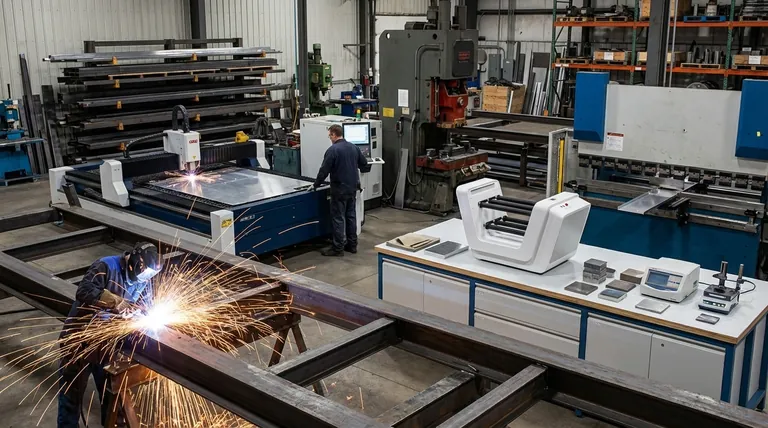
Value stream mapping (VSM) is a powerful tool for manufacturers seeking to streamline operations, reduce waste, and boost efficiency. In the metals sector, where processes are complex and margins can be tight, mapping the flow of materials and information is crucial for continuous improvement. This guide explores how to apply value stream mapping in the metals industry, covering practical steps, industry-specific considerations, and actionable tips for success.
Before diving into the methodology, it’s important to recognize how VSM fits into broader manufacturing strategies. For those interested in sustainable production, you may find insights in steel industry sustainability practices particularly relevant, as both approaches aim to minimize waste and maximize value.
Understanding Value Stream Mapping in Metal Manufacturing
At its core, value stream mapping in the metals industry involves visually documenting every step in the production process—from raw material intake to finished goods. This includes mapping both material and information flows. By identifying bottlenecks, redundancies, and non-value-adding activities, teams can target improvements that yield real results.
In metal fabrication, stamping, or rolling operations, the value stream often includes:
- Raw material receiving and inspection
- Cutting, forming, and machining
- Heat treatment and surface finishing
- Quality control and inspection
- Packing and shipping
Each of these stages can hide inefficiencies that, when uncovered, drive significant cost savings and lead time reductions.
Key Steps to Implementing VSM for Metal Process Improvement
Applying value stream mapping in a metals environment requires a structured approach. Here’s how to get started:
- Define the Scope: Choose a product family or process to map. Narrowing the focus helps ensure actionable results.
- Assemble a Cross-Functional Team: Involve operators, supervisors, engineers, and quality personnel. Their insights are critical for accurate mapping.
- Map the Current State: Walk the process, documenting each step, wait time, inventory, and information exchange. Use standardized VSM symbols for clarity.
- Identify Waste: Look for overproduction, excess inventory, unnecessary movement, waiting, defects, and underutilized talent.
- Design the Future State: Brainstorm ways to eliminate waste and streamline flow. Consider automation, layout changes, or process integration.
- Create an Action Plan: Prioritize improvements, assign responsibilities, and set measurable targets.
- Monitor and Adjust: Track progress, gather feedback, and refine the process as needed.

Benefits of Mapping Value Streams in Metal Operations
The advantages of using value stream mapping in metalworking are substantial:
- Reduced Lead Times: By visualizing the entire process, teams can spot and eliminate unnecessary delays.
- Lower Inventory Costs: Mapping reveals excess inventory points, enabling leaner operations.
- Improved Quality: Identifying sources of defects or rework helps improve first-pass yield.
- Enhanced Communication: A clear map aligns teams and clarifies roles, reducing miscommunication.
- Greater Flexibility: Streamlined processes adapt more easily to changing customer demands or new product introductions.
For those working with coated steels or specialized alloys, integrating best practices for stamping coated steels into your value stream analysis can further optimize quality and throughput.
Common Challenges and Solutions in Metals Industry VSM
While the benefits are clear, implementing value stream mapping in metal fabrication and processing comes with unique hurdles:
- Complex Material Flows: Metals manufacturing often involves rework loops, parallel processes, and custom orders. Address this by mapping at a high level first, then drilling down into critical paths.
- Data Collection Difficulties: Accurate cycle times, changeover durations, and inventory levels can be hard to capture. Use direct observation and time studies rather than relying solely on system data.
- Resistance to Change: Operators may be skeptical of new initiatives. Involve them early, communicate the benefits, and celebrate quick wins.
- Integration with Sustainability Goals: Many metal producers are under pressure to reduce waste and environmental impact. VSM can help by highlighting opportunities for recycling and scrap reduction. For more, see how to recycle metal and reduce industrial waste.
Industry-Specific Tips for Effective Value Stream Mapping
To get the most from your mapping efforts in the metals sector, consider these practical tips:
- Map Both Material and Information Flows: In addition to tracking physical movement, document order entry, scheduling, and quality reporting.
- Include External Partners: If you rely on outside processors (e.g., heat treaters or platers), include them in your value stream for a complete picture.
- Focus on High-Impact Areas: Start with processes that have the most customer complaints, highest scrap rates, or longest lead times.
- Leverage Technology: Digital tools can speed up mapping and make it easier to update as processes evolve.
- Connect VSM to Other Lean Initiatives: Use insights from mapping to inform kaizen events, 5S projects, or equipment upgrades.

Integrating Value Stream Mapping with Other Metalworking Best Practices
Value stream mapping is most effective when combined with other process improvement strategies. For example, when working with high-strength materials, referencing steel stamping material yield strength considerations can help ensure your process maps reflect real-world constraints.
Similarly, optimizing scrap management is essential for lean operations. For those involved in stamping, how to optimize scrap chute angles provides actionable advice that can be incorporated into your future state map.
Environmental factors also play a role. For die storage and corrosion prevention, integrating guidance from how to manage die storage humidity can help reduce downtime and maintain quality.
Frequently Asked Questions
What is the main goal of value stream mapping in metal manufacturing?
The primary aim is to visualize and analyze every step in the production process, identifying waste and inefficiencies. By doing so, teams can implement targeted improvements that reduce lead times, lower costs, and enhance product quality.
How often should value stream maps be updated?
Maps should be reviewed and updated whenever there are significant process changes, new equipment installations, or shifts in customer requirements. Regular reviews—at least annually—help ensure continuous improvement.
Can value stream mapping help with sustainability in metals production?
Absolutely. By highlighting areas of excess material use, energy consumption, or scrap generation, VSM supports sustainability initiatives. Integrating recycling and waste reduction strategies into your maps can further enhance environmental performance.
Conclusion
Applying value stream mapping in the metals industry is a proven way to drive operational excellence. By systematically analyzing each process step, teams can uncover hidden inefficiencies, align improvement efforts, and deliver greater value to customers. Whether your focus is on reducing lead times, improving quality, or supporting sustainability, value stream mapping provides a clear, actionable path forward.