
Steel stamping is a foundational process in modern manufacturing, enabling the mass production of complex metal parts with high precision. However, even with advanced tooling and process controls, there are inherent boundaries to how much steel can be shaped before defects occur. Understanding the limits of steel formability is essential for engineers, designers, and production teams aiming to optimize both quality and efficiency in metal forming operations.
This article explores the key factors that influence steel’s ability to be formed during stamping, the science behind material behavior, and practical strategies to avoid common pitfalls. By grasping these concepts, manufacturers can reduce waste, prevent costly tool damage, and improve part consistency. For those interested in related topics, our resource on best practices for stamping coated steels offers additional insights into working with specialized materials.
What Determines Steel’s Formability in Stamping?
The ability of steel to undergo deformation without cracking or failing is governed by several interrelated factors. These include the material’s composition, microstructure, thickness, and the specific stamping process used. Steel formability is typically measured by how much strain the material can withstand before defects like splits, wrinkles, or thinning occur.
- Chemical Composition: Alloying elements such as carbon, manganese, and silicon impact ductility and strength. Low-carbon steels generally offer better formability than high-carbon grades.
- Microstructure: The arrangement of grains within the steel affects its ability to stretch. Fine, uniform grains improve ductility, while coarse or uneven grains can lead to weak spots.
- Thickness: Thicker sheets can absorb more deformation, but may require higher forming forces. Thin sheets are more prone to tearing if overstressed.
- Lubrication and Surface Condition: Proper lubrication reduces friction, minimizing the risk of surface defects and tool wear.
Understanding these variables helps manufacturers select the right steel grade and process parameters for each application.
Key Challenges When Pushing Steel’s Forming Boundaries
When the limits of steel formability are exceeded, several types of failures can occur. Recognizing these issues early is crucial for maintaining part quality and protecting equipment.
- Cracking and Splitting: Excessive stretching or sharp radii can cause the steel to fracture, especially in high-strength or low-ductility grades.
- Wrinkling: If compressive forces are too high, the material may buckle, leading to unsightly or functionally compromised parts.
- Thinning: Uneven deformation can result in localized thinning, weakening the part and increasing the risk of failure in service.
- Springback: After forming, steel tends to return partially to its original shape. Predicting and compensating for springback is essential for dimensional accuracy.
Manufacturers must balance the desire for complex geometries with the physical realities of the material. For more on improving edge quality and reducing defects, see our guide on steel stamping edge quality optimization.
Testing and Measuring Steel Formability
Before committing to a stamping process, it’s important to evaluate how a specific steel will behave under stress. Several standardized tests are used to quantify formability:
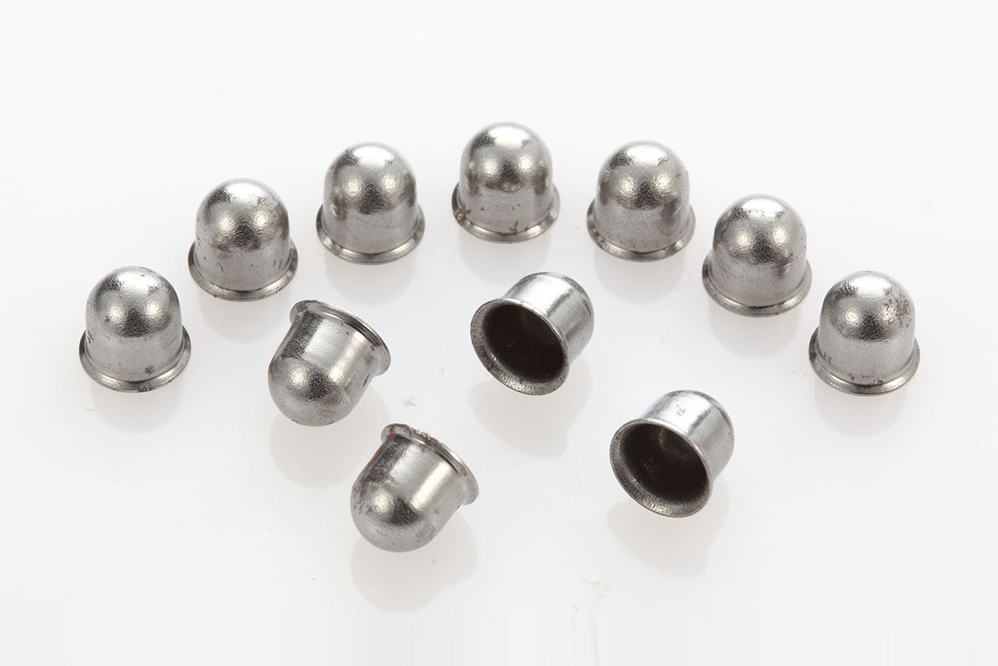
- Erichsen Cupping Test: Measures the depth a steel sheet can be drawn into a cup shape before cracking.
- Lankford Value (r-value): Indicates the material’s resistance to thinning during deformation. Higher r-values mean better drawability.
- Forming Limit Diagram (FLD): Plots the maximum strain a material can withstand in different directions before failure. FLDs are essential for predicting safe forming zones.
These tests help engineers select materials and design processes that stay within safe forming limits, reducing trial-and-error on the production floor.
Strategies for Staying Within Safe Forming Limits
To maximize productivity while minimizing defects, manufacturers should adopt a combination of material selection, process optimization, and tooling design strategies:
- Choose the Right Steel Grade: Select materials with proven formability for the intended part geometry. Consult supplier data sheets and test results.
- Optimize Tooling: Use generous radii, smooth transitions, and proper die clearances to reduce stress concentrations.
- Control Process Variables: Adjust blank holder force, lubrication, and forming speed to minimize defects.
- Monitor and Maintain Equipment: Regular inspection and maintenance of dies and presses prevent unexpected failures and maintain part quality.
For those looking to improve shop safety and minimize noise during stamping, our article on steel stamping noise reduction strategies provides actionable tips.
Common Pitfalls and How to Avoid Them
Even experienced teams can encounter challenges when working near the boundaries of steel’s formability. Some frequent mistakes include:
- Ignoring Material Variability: Even within the same grade, steel properties can vary between batches. Always verify incoming material with basic tests.
- Underestimating the Impact of Tool Wear: Worn dies can introduce sharp edges or uneven pressure, increasing the risk of splits and wrinkles.
- Overlooking Process Monitoring: Automated sensors and regular inspections help detect issues before they lead to scrap or downtime.
For more on minimizing disruptions, see our guide on how to minimize downtime in stamping production.
Safe Practices and Industry Standards
Adhering to best practices is essential for both product quality and worker safety. The industry has established guidelines for safe operation, material handling, and process design. For a comprehensive overview, review the safe practices of a precision metal stamper which details important protocols and risk mitigation strategies.
Additionally, training operators on the latest safety standards is vital. Our article on how to train operators for steel stamping safety provides practical guidance for building a culture of safety in the stamping shop.
Frequently Asked Questions
What is the main factor limiting steel formability in stamping?
The primary limitation is the steel’s ductility, which is influenced by its chemical composition, microstructure, and thickness. When the material is pushed beyond its capacity to deform, defects such as cracks, splits, or excessive thinning can occur.
How can manufacturers predict when steel will fail during stamping?
Engineers use standardized tests like the Erichsen cupping test and forming limit diagrams to estimate the maximum strain steel can handle. These tools help identify safe forming zones and guide process design to avoid failures.
Are there ways to improve the formability of steel for complex parts?
Yes, selecting low-carbon or specially alloyed steels, optimizing die design, using proper lubrication, and carefully controlling process parameters can all enhance formability. Regular equipment maintenance and material verification also play a role in achieving consistent results.
Conclusion
Recognizing and respecting the boundaries of steel’s formability is crucial for successful stamping operations. By understanding the science behind material behavior, employing robust testing methods, and following industry best practices, manufacturers can produce high-quality parts while minimizing waste and downtime. Staying informed and proactive ensures that stamping processes remain efficient, safe, and reliable as demands for precision and complexity continue to grow.