
Reducing unplanned stops and delays is a top priority for any steel stamping operation. Even brief interruptions can lead to missed deadlines, increased costs, and lower product quality. Understanding how to minimize downtime in stamping production is essential for manufacturers aiming to boost efficiency and maintain a competitive edge.
This article explores practical strategies to keep your steel stamping lines running smoothly. From preventive maintenance to process optimization and workforce training, we’ll cover proven approaches that help reduce stoppages and improve overall productivity. For those interested in more advanced techniques, you may also want to review steel stamping edge quality optimization for further process improvements.
Understanding the Causes of Downtime in Steel Stamping
Before implementing solutions, it’s important to identify what typically causes interruptions in steel stamping lines. Common sources include:
- Equipment breakdowns due to wear, lack of maintenance, or unexpected failures.
- Tooling issues such as die misalignment, excessive wear, or improper setup.
- Material defects like inconsistent thickness, surface contamination, or poor coil quality.
- Operator errors stemming from insufficient training or unclear procedures.
- Changeover delays during product or die swaps.
- Unplanned maintenance or emergency repairs.
Recognizing these factors is the first step toward developing an effective plan for reducing downtime in stamping operations.
Preventive Maintenance: The Foundation of Reliable Production
One of the most effective ways to avoid unexpected stops is through a robust preventive maintenance program. Regular inspections and scheduled servicing help catch issues before they escalate into breakdowns. Consider these best practices:
- Develop a maintenance calendar for all presses, feeders, and auxiliary equipment.
- Use checklists to ensure critical components—such as bearings, lubrication systems, and electrical connections—are inspected and serviced on time.
- Track maintenance history to identify recurring issues and address root causes.
- Train operators to perform daily checks and basic upkeep, empowering them to spot early warning signs.
By prioritizing preventive actions, manufacturers can significantly reduce the risk of unplanned outages and extend equipment lifespan.

Optimizing Tooling and Die Management
Tooling problems are a frequent cause of lost production time. To keep your stamping line productive:
- Implement a die maintenance schedule, including regular cleaning, sharpening, and alignment checks.
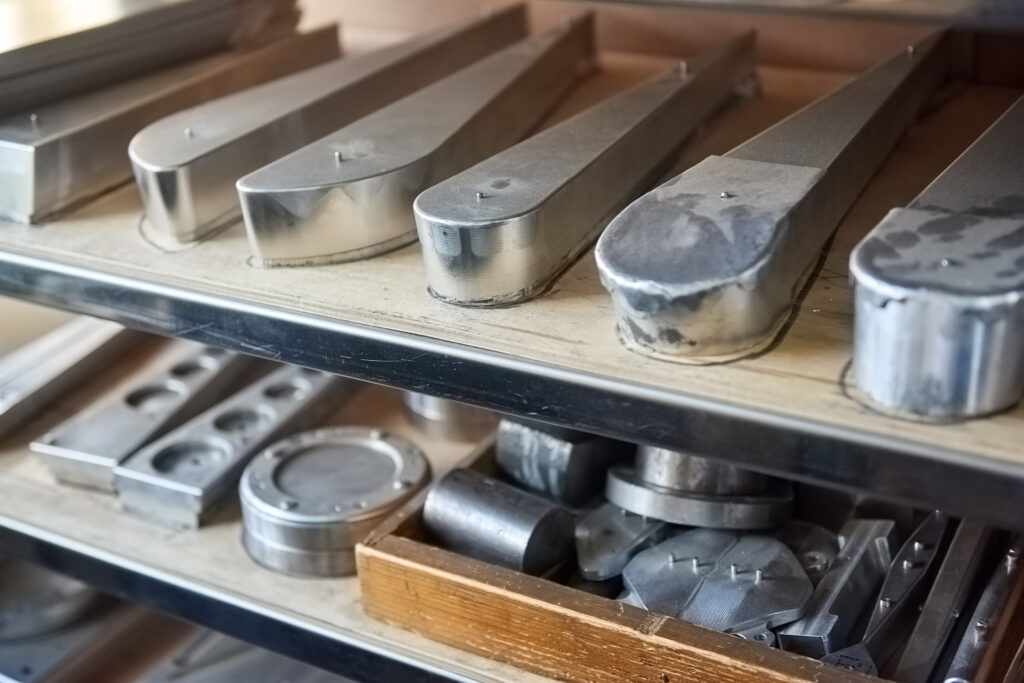
- Store dies in a clean, organized environment to prevent damage and contamination.
- Use quick-change tooling systems to speed up die swaps and reduce changeover times.
- Document die performance and track wear patterns to anticipate when replacements or repairs are needed.
For more on handling specialized materials, see best practices for stamping coated steels to avoid tooling damage and further minimize interruptions.
Streamlining Material Handling and Quality Control
Material-related issues can halt production unexpectedly. To address this:
- Work closely with suppliers to ensure consistent coil quality and timely deliveries.
- Inspect incoming materials for thickness, flatness, and surface defects before loading into the line.
- Install automated sensors to detect jams, misfeeds, or material inconsistencies in real time.
- Establish clear protocols for handling and storing steel to prevent contamination or damage.
Effective material management not only reduces downtime but also improves product consistency and reduces scrap rates.

Empowering Operators and Improving Training
Human error is a significant contributor to lost production time. Investing in workforce development can pay major dividends:
- Provide comprehensive training on machine operation, safety protocols, and troubleshooting techniques.
- Encourage operators to participate in continuous improvement initiatives and share feedback on process bottlenecks.
- Use clear, accessible documentation for all procedures. For guidance, refer to how to document steel stamping processes for compliance and consistency.
- Cross-train team members to cover multiple roles, ensuring flexibility during absences or shift changes.
Well-trained staff are better equipped to prevent and quickly resolve issues, keeping lines running efficiently.
Leveraging Technology for Predictive Maintenance and Monitoring
Modern stamping facilities are increasingly turning to digital solutions to further reduce downtime. Examples include:
- Installing sensors and IoT devices to monitor equipment health in real time.
- Using data analytics to predict failures before they occur, allowing for scheduled interventions.
- Implementing automated alerts for abnormal vibration, temperature, or pressure readings.
- Integrating production monitoring software to track OEE (Overall Equipment Effectiveness) and identify trends.
These technologies enable a shift from reactive to proactive maintenance, minimizing costly interruptions and optimizing resource allocation.
Reducing Changeover Times and Improving Setup Efficiency
Frequent product changes can lead to significant lost time if not managed efficiently. To minimize changeover delays:
- Standardize setup procedures and use visual aids to guide operators through each step.
- Prepare tools, dies, and materials in advance to ensure everything is ready when needed.
- Adopt SMED (Single-Minute Exchange of Die) principles to streamline die swaps and reduce manual adjustments.
- Continuously review and refine changeover processes based on operator feedback and performance data.
Efficient changeovers not only reduce downtime but also increase flexibility to meet varying customer demands.
Continuous Improvement and Data-Driven Decisions
Ongoing improvement is vital for sustaining low downtime rates. Consider these approaches:
- Track and analyze downtime events to identify root causes and recurring patterns.
- Set measurable goals for reducing stoppages and review progress regularly.
- Engage cross-functional teams in problem-solving initiatives to generate new ideas.
- Benchmark performance against industry standards and leading competitors.
For more insights into advanced die design and troubleshooting, explore this in-depth guide to progressive die troubleshooting for additional strategies.
Frequently Asked Questions
What is the most common cause of downtime in stamping lines?
Equipment breakdowns and tooling issues are among the most frequent causes. Regular maintenance and proper die management are key to preventing these problems.
How can operator training help reduce production interruptions?
Well-trained operators can quickly identify and resolve minor issues before they escalate, follow standardized procedures, and contribute to continuous improvement efforts.
Are there digital tools that help minimize downtime?
Yes, many facilities use sensors, predictive maintenance software, and real-time monitoring systems to detect problems early and schedule repairs proactively.
Conclusion
Minimizing downtime in steel stamping operations requires a comprehensive approach that addresses equipment reliability, tooling management, material quality, operator training, and technology adoption. By focusing on preventive maintenance, streamlining processes, and empowering your workforce, you can achieve higher productivity and lower costs. For further reading on workforce safety, see how to train operators for steel stamping safety, and for process optimization, review how to select the right press stroke length for your application.