
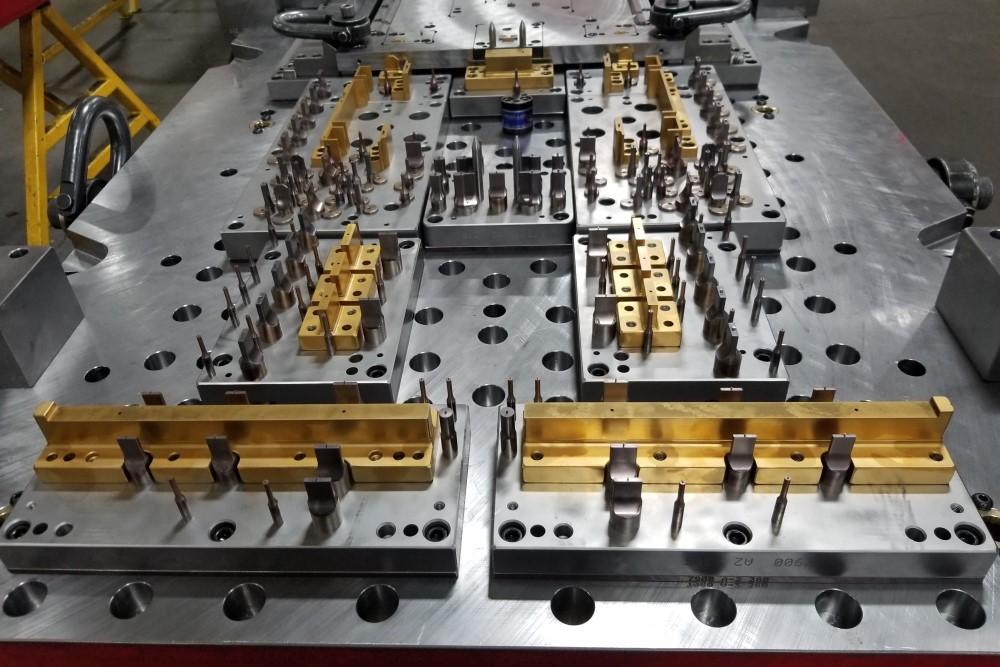
Proper documentation is a cornerstone of quality, safety, and regulatory compliance in steel stamping operations. As manufacturing standards become more stringent and customer expectations rise, the ability to clearly record and maintain process information is essential. Whether you are preparing for audits, aiming to improve traceability, or simply want to optimize your workflow, understanding how to document steel stamping processes is crucial for any metalworking facility.
This guide explores the essential steps, tools, and best practices for capturing process details, maintaining records, and ensuring your documentation meets both internal standards and external regulations. Early in your documentation journey, it’s also helpful to reference related resources, such as best practices for stamping coated steels, to ensure your procedures align with industry benchmarks.
Why Thorough Documentation Matters in Steel Stamping
Recording every aspect of your steel stamping workflow is not just about meeting legal requirements. Comprehensive documentation supports:
- Regulatory compliance with ISO, IATF, or customer-specific standards
- Consistent product quality and repeatability
- Traceability for root cause analysis and corrective actions
- Efficient training of new operators and staff
- Streamlined audits and customer reviews
Neglecting documentation can lead to non-conformances, production delays, and even legal penalties. By establishing clear records, you protect your business and enhance operational efficiency.
Key Elements to Capture When Recording Steel Stamping Workflows
When considering how to document steel stamping processes, focus on capturing the following critical elements:
- Material specifications: Grade, thickness, coating, and supplier details
- Tooling information: Die number, maintenance records, and setup parameters
- Machine settings: Press stroke, tonnage, speed, and lubrication details
- Process steps: Sequence of operations, inspection points, and quality checks
- Personnel: Operator names, training records, and shift information
- Output data: Lot numbers, quantities produced, and any deviations or rework
Capturing these details ensures that your documentation is complete and actionable, supporting both internal improvement and external compliance needs.

Best Practices for Creating and Maintaining Process Records
Effective documentation is more than just filling out forms. Here are some best practices to ensure your records are accurate, accessible, and audit-ready:
- Standardize forms and templates: Use consistent formats for process sheets, inspection logs, and maintenance records.
- Leverage digital tools: Consider electronic recordkeeping systems to reduce errors and improve searchability.
- Involve operators: Train staff on the importance of documentation and how to properly record process data.
- Regularly review and update: Schedule periodic audits of your documentation to ensure it reflects current practices and standards.
- Secure storage: Maintain both digital backups and physical copies as required by your compliance obligations.
For more insights on improving process consistency and edge quality, review the steel stamping edge quality optimization guide, which complements robust documentation efforts.
Tools and Formats for Documenting Steel Stamping Procedures
There are several ways to record and manage your stamping process information. The right choice depends on your facility size, regulatory requirements, and available resources:
- Paper-based logs: Simple and cost-effective, but may be harder to search and store long-term.
- Spreadsheets: Offer flexibility and basic data analysis, but require careful version control.
- Manufacturing Execution Systems (MES): Provide real-time tracking, integration with machines, and automated reporting.
- Cloud-based solutions: Enable remote access, secure backups, and easy sharing across teams.
Whichever format you choose, ensure that your documentation is legible, complete, and readily available for review by auditors or customers.

Ensuring Compliance Through Accurate Documentation
Meeting regulatory and customer requirements means your records must be both thorough and accurate. Here are some strategies to keep your documentation compliant:
- Follow relevant standards: Align your recordkeeping with ISO 9001, IATF 16949, or other applicable frameworks.
- Include traceability data: Record batch numbers, material sources, and inspection results for every lot.
- Document non-conformances: Clearly log any deviations, corrective actions, and preventive measures.
- Maintain change logs: Track revisions to process instructions, tooling, or materials.
For practical maintenance tips that support compliance, consult resources like the die maintenance guide, which outlines key steps for keeping tooling and documentation in sync.
Integrating Documentation with Operator Training and Visual Management
Documentation is most effective when it is part of a broader culture of quality and safety. Integrate your process records with:
- Operator training programs: Use documented procedures as the foundation for onboarding and ongoing education. For more on this, see how to train operators for steel stamping safety.
- Visual management systems: Display key process steps, inspection points, and safety reminders at the point of use. Explore how to implement visual management in stamping for actionable ideas.
By connecting documentation with daily operations, you reinforce best practices and make compliance a natural part of your workflow.
Common Challenges and Solutions in Steel Stamping Documentation
Even experienced facilities encounter obstacles when maintaining records. Some common issues include:
- Incomplete entries: Address this by providing clear instructions and regular training on what to record.
- Lost or inaccessible records: Use digital backups and organize physical files for easy retrieval.
- Outdated procedures: Schedule regular reviews and updates to keep documentation current.
- Resistance from staff: Emphasize the value of documentation for safety, quality, and job security.
Proactively addressing these challenges will help ensure your documentation remains reliable and audit-ready.
FAQ
What documents are required for steel stamping compliance audits?
Typical requirements include process sheets, inspection logs, material certificates, maintenance records, and training documentation. Auditors may also request evidence of corrective actions and change management.
How often should steel stamping process documentation be updated?
Update records whenever there is a change in materials, tooling, process steps, or regulatory requirements. Regular reviews—at least annually—are recommended to ensure ongoing accuracy.
Can digital documentation replace paper records in steel stamping?
Yes, digital systems are widely accepted and often preferred for their accessibility and security. However, always verify that your digital records meet the requirements of your customers and regulatory bodies.