
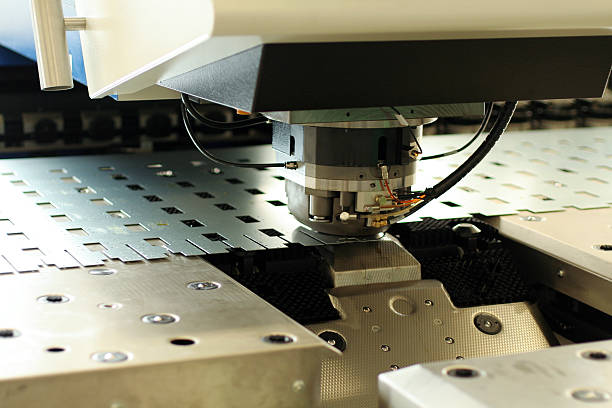
Visual management is a cornerstone of lean manufacturing, especially in metal stamping operations where clarity, safety, and efficiency are critical. By introducing visual cues, displays, and controls, stamping facilities can improve communication, reduce errors, and support continuous improvement. This guide explains how to implement visual management in stamping settings, offering practical steps and examples to help you create a safer, more productive environment.
Whether you’re upgrading an existing process or starting from scratch, understanding the unique challenges of stamping—such as rapid production cycles, complex tooling, and strict quality requirements—will help you tailor visual strategies for maximum impact. For those interested in related process improvements, you may also want to explore steel stamping edge quality optimization for further technical insights.
Understanding Visual Management in Metal Stamping
Visual management refers to the use of visual signals—such as signs, color codes, floor markings, and display boards—to communicate information quickly and clearly. In stamping environments, these tools help operators, supervisors, and maintenance teams stay aligned on safety, quality, and productivity goals. The main objectives are to:
- Make the current status of machines and processes visible at a glance
- Highlight abnormal conditions or deviations from standards
- Guide operator actions and decision-making
- Support training and onboarding for new staff
By making information instantly accessible, visual management reduces reliance on verbal instructions and written procedures, which can be misinterpreted or overlooked in a fast-paced stamping shop.
Key Benefits of Visual Controls in Stamping Operations
Implementing visual management in stamping facilities brings several tangible advantages:
- Improved Safety: Clear signage and hazard markings help prevent accidents and injuries. For more on this, see safety precautions for operating metal stamping machinery.
- Faster Troubleshooting: Visual indicators make it easier to spot issues such as machine downtime, material shortages, or tool wear.
- Consistent Quality: Standardized work instructions and defect displays help operators maintain high quality standards.
- Reduced Waste: By highlighting process bottlenecks and errors, visual tools support root cause analysis and waste reduction.
- Enhanced Communication: Teams can quickly share information about production status, maintenance needs, and improvement opportunities.
Steps for Introducing Visual Management to Stamping Lines
To successfully introduce visual management in stamping, follow these structured steps:
-
Assess Current Processes:
Begin by mapping out your stamping workflow. Identify key process steps, decision points, and areas where miscommunication or errors occur. Engage operators and supervisors to understand their pain points and information needs.
-
Define Visual Standards:
Establish clear visual standards for your facility. This includes selecting color codes for different types of information (e.g., red for danger, green for normal operation), standardizing label formats, and determining where to place visual cues.
-
Develop Visual Tools:
Create the necessary visual aids, such as:
- Floor markings to indicate safe walkways and hazardous zones
- Shadow boards for tool storage
- Andon lights for machine status
- Production boards displaying targets and actuals
- Defect sample boards for quality reference
-
Train Staff:
Provide hands-on training to ensure everyone understands the meaning of each visual signal and how to respond. Reinforce the importance of following visual cues during daily operations. For guidance on effective training, see how to train operators for steel stamping safety.
-
Monitor and Improve:
Regularly review the effectiveness of your visual management system. Gather feedback from operators, track key performance indicators, and update visuals as processes evolve.

Best Practices for Visual Management in Stamping Facilities
To maximize the impact of visual management, consider these best practices:
- Keep It Simple: Use clear symbols, large fonts, and high-contrast colors. Avoid clutter or overly complex visuals.
- Standardize Across the Facility: Consistency helps staff quickly interpret signals, even when moving between workstations or shifts.
- Make Visuals Accessible: Ensure that displays are at eye level and not blocked by equipment or materials.
- Update Regularly: As processes change, revise visuals to reflect new standards or safety requirements.
- Encourage Operator Ownership: Involve operators in designing and maintaining visual tools. This increases buy-in and ensures visuals are practical for daily use.
For facilities working with coated steels or specialized materials, it’s important to align visual management with best practices for stamping coated steels to avoid material damage and ensure quality.
Examples of Visual Management Tools in Stamping
Some of the most effective visual tools for stamping environments include:
- Color-Coded Floor Tape: Marks safe walkways, forklift lanes, and restricted areas.
- Shadow Boards: Outlines for each tool ensure quick checks for missing or misplaced items.
- Andon Systems: Lights or displays that signal machine status—green for running, yellow for attention, red for stop.
- Production Tracking Boards: Real-time displays of production targets, actual output, and downtime events.
- Defect Sample Boards: Physical or photo samples of common defects to help operators identify issues early.
- Maintenance Schedules: Visual calendars or checklists for preventive maintenance tasks.
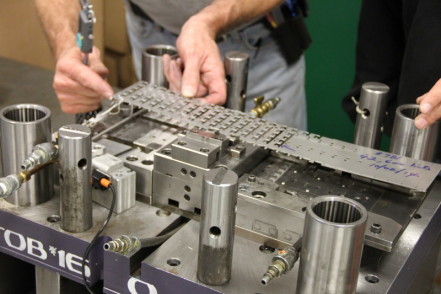
Integrating Visual Management with Other Stamping Improvements
Visual management is most effective when combined with other process improvement initiatives. For example, integrating visual cues with steel stamping secondary operation considerations can help teams coordinate between primary and secondary processes. Similarly, using visuals to support how to improve repeatability in steel stamping ensures that best practices are consistently followed across shifts and operators.
Regular audits and continuous feedback loops are essential. Encourage teams to suggest improvements to visual tools, and recognize those who contribute to a safer, more efficient workplace.
Common Challenges and Solutions
While the benefits are clear, some challenges can arise when introducing visual management to stamping environments:
- Resistance to Change: Address concerns by involving staff early and demonstrating the benefits of visual tools.
- Visual Clutter: Too many signals can overwhelm operators. Prioritize the most critical information and remove outdated visuals.
- Maintenance of Visuals: Assign responsibility for keeping visuals clean, up-to-date, and in good condition.
- Language Barriers: Use universal symbols and color codes to communicate across language differences.
Frequently Asked Questions
What are the first steps to introduce visual management in a stamping facility?
Start by assessing your current processes and identifying areas where information gaps or errors occur. Engage your team to define what information needs to be visible and select appropriate visual tools, such as floor markings, display boards, and color-coded signals. Training and ongoing feedback are crucial for success.
How does visual management improve safety in stamping operations?
Visual cues such as hazard signs, floor markings, and machine status lights help operators quickly identify risks and respond appropriately. This reduces the likelihood of accidents and supports compliance with safety standards.
Can visual management help with quality control in stamping?
Yes, displaying defect samples, standardized work instructions, and real-time production data helps operators maintain quality standards and quickly identify deviations. Visual management also supports root cause analysis and continuous improvement efforts.