
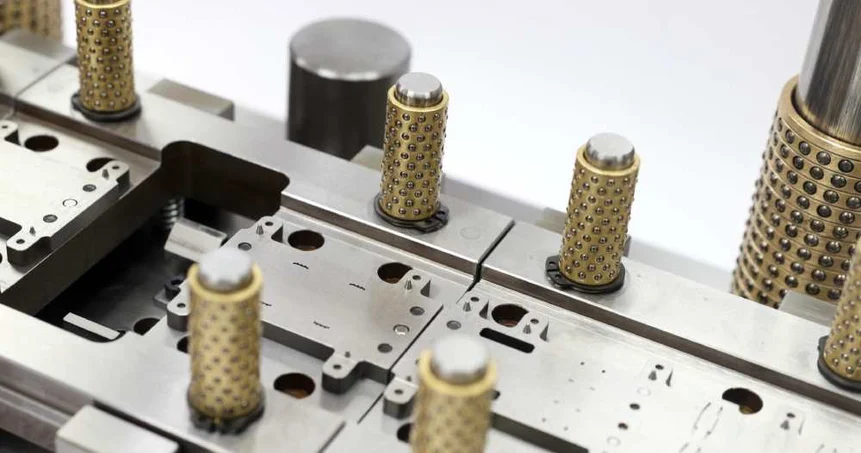
Achieving consistent results in high-speed steel stamping is essential for manufacturers who demand precision and efficiency. Repeatability refers to the ability of a stamping process to produce identical parts across multiple cycles, ensuring that each component meets strict quality standards. In industries where tolerances are tight and production volumes are high, even minor variations can lead to costly defects, rework, or downtime.
This guide explores practical strategies and proven techniques for enhancing repeatability in steel stamping operations. By focusing on tooling maintenance, process control, and operator training, manufacturers can minimize variability and boost overall productivity. For those working with coated steels, reviewing best practices for stamping coated steels can further reduce the risk of damage and inconsistencies.
Understanding Repeatability in Steel Stamping
Repeatability is a measure of how reliably a stamping process can reproduce the same results, part after part. In high-speed environments, factors such as tool wear, material variability, and press alignment can introduce deviations. Addressing these issues is crucial for maintaining quality and meeting production targets.
Key benefits of improved repeatability include:
- Reduced scrap rates and material waste
- Lower risk of defective parts reaching customers
- Increased machine uptime and throughput
- Consistent part dimensions and surface finish
Tooling Maintenance: The Foundation of Consistency
One of the most significant contributors to process variability is tool condition. Dull or damaged dies can cause burrs, dimensional inaccuracies, and inconsistent part ejection. To maintain high repeatability in steel stamping, regular inspection and preventive maintenance of tooling are essential.
Best practices for tooling maintenance include:
- Establishing a routine inspection schedule for dies and punches
- Using precision measuring equipment to detect wear or deformation
- Replacing or regrinding tools before they reach critical wear limits
- Documenting tool life and performance to identify trends
For a more in-depth look at die care, manufacturers can benefit from resources like stamping die repair and maintenance basics, which offers detailed guidance on maximizing tool longevity and minimizing downtime.
Process Control for Enhanced Repeatability
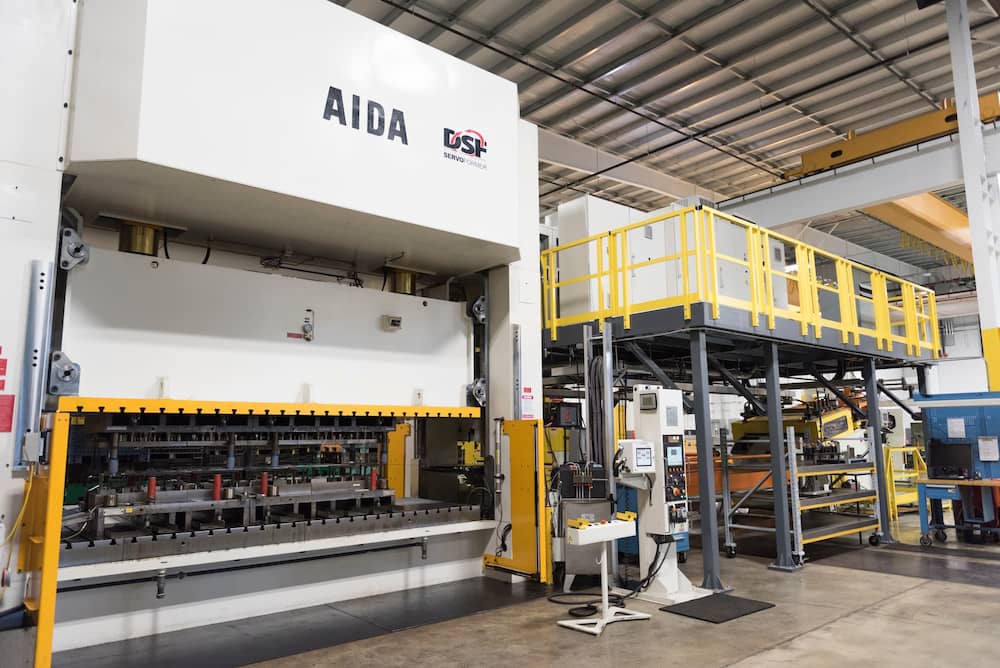
Beyond tooling, process control plays a central role in achieving reliable results. Monitoring and adjusting key parameters ensures that each stamping cycle operates within defined tolerances. This is especially important for high-speed applications, where small fluctuations can quickly compound.
Critical process variables to monitor include:
- Press speed and stroke consistency
- Material feed rate and alignment
- Lubrication application and distribution
- Die temperature and cooling
Implementing sensors and automated feedback systems can help detect deviations in real time, allowing operators to intervene before defects occur. Data logging and statistical process control (SPC) further support continuous improvement by highlighting trends and pinpointing sources of variation.
Material Selection and Preparation
The properties of the steel being stamped have a direct impact on repeatability. Variations in thickness, hardness, or surface finish can lead to inconsistent forming and increased tool wear. To minimize these effects:
- Source material from reputable suppliers with tight quality controls
- Inspect incoming coils or sheets for uniformity
- Store and handle materials to prevent contamination or damage
- Pre-condition or lubricate steel as needed for the specific application
For applications requiring precise edge quality, reviewing steel stamping edge quality optimization techniques can further reduce variability and improve finished part consistency.
Operator Training and Standardized Procedures
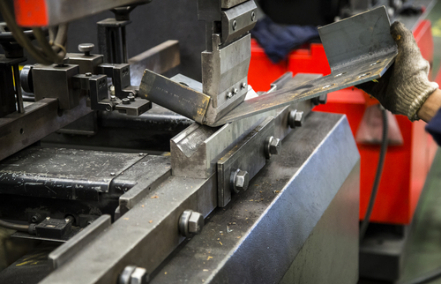
Even with advanced equipment and high-quality materials, human factors can influence repeatability. Well-trained operators are better equipped to identify issues, follow best practices, and respond quickly to process changes.
Effective training programs should cover:
- Proper machine setup and calibration
- Routine inspection and cleaning of dies and presses
- Recognition of common defects and troubleshooting steps
- Adherence to safety protocols
Developing and enforcing standardized work instructions ensures that all team members follow the same procedures, reducing variability caused by inconsistent methods. For more on operator readiness, see how to train operators for steel stamping safety.
Quality Assurance and Continuous Improvement
A robust quality assurance program is essential for sustaining high repeatability. Regular audits, in-process inspections, and final part measurements help catch deviations early. Incorporating feedback from quality data into process adjustments supports ongoing improvement.
Consider these quality assurance steps:
- Use of go/no-go gauges and coordinate measuring machines (CMMs) for dimensional checks
- Implementing first-article inspections for new setups
- Tracking defect rates and root cause analysis
- Encouraging a culture of continuous improvement among staff
Frequently Asked Questions
What are the main causes of poor repeatability in steel stamping?
Common causes include tool wear or damage, inconsistent material properties, improper press setup, and lack of process control. Addressing these factors through regular maintenance, quality material sourcing, and operator training can significantly improve consistency.
How often should tooling be inspected to maintain repeatability?
Tooling should be inspected on a scheduled basis, which may range from every shift to every few thousand cycles, depending on production volume and part complexity. Frequent inspections help catch wear or damage before it affects part quality.
Can automation help improve repeatability in high-speed stamping?
Yes, automation such as sensors, automated lubrication, and real-time monitoring systems can reduce human error and maintain tighter control over process variables. This leads to more consistent results and fewer defects.
Conclusion
Improving repeatability in steel stamping requires a holistic approach that addresses tooling, process control, material quality, and operator expertise. By implementing these strategies, manufacturers can achieve greater consistency, reduce waste, and meet the high standards demanded by modern production environments. For further insights into secondary operations and technical considerations, explore resources like steel stamping secondary operation considerations and understanding shear strength in metal stamping.