
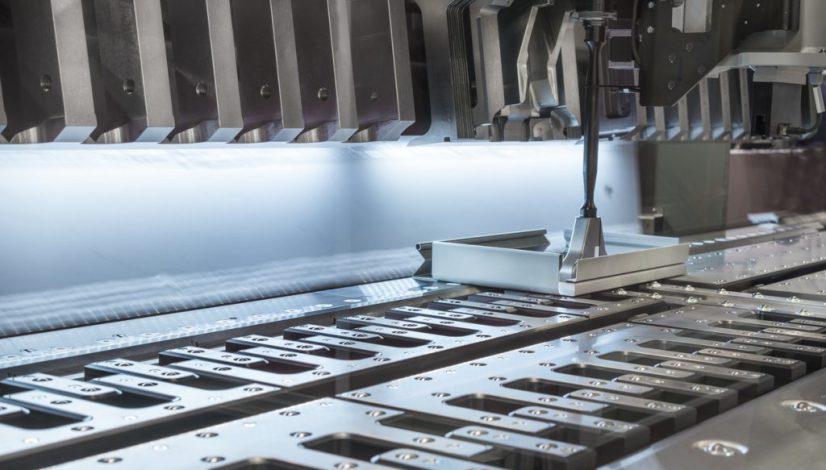
In the world of metal fabrication, secondary processes following the initial stamping of steel are just as critical as the primary forming itself. These additional steps—ranging from deburring and tapping to welding and surface finishing—directly impact part quality, production efficiency, and total cost. For manufacturers and engineers, understanding the main steel stamping secondary operation considerations is vital for achieving both technical and commercial objectives.
Whether you are optimizing an existing process or planning a new project, evaluating these post-stamping activities ensures that your steel components meet strict specifications, function as intended, and are delivered on time. Early attention to these factors can also help avoid costly rework or delays. For those interested in minimizing vibration and improving accuracy during stamping, reviewing stamping press vibration control tips can further enhance your results.
Key Post-Stamping Processes and Their Impact
After the initial forming, steel parts often require additional operations to achieve the required geometry, surface quality, or assembly readiness. The most common secondary steps include:
- Deburring and Edge Finishing: Removes sharp edges and burrs left from stamping, improving safety and assembly fit.
- Tapping and Threading: Adds threads for fasteners, often needed for mechanical assemblies.
- Forming and Bending: Further shapes the part beyond what the primary die can achieve.
- Welding and Joining: Attaches additional components or reinforces structural areas.
- Surface Treatments: Includes cleaning, coating, or painting to enhance corrosion resistance and appearance.
Each of these steps introduces its own set of requirements and potential complications. For example, improper deburring can lead to assembly issues, while poor surface finishing may compromise corrosion resistance. Understanding the downstream effects of each operation is a core part of effective steel stamping secondary operation considerations.
Material and Design Factors in Secondary Operations
The properties of the chosen steel alloy and the part’s geometry play a significant role in determining which secondary processes are feasible or necessary. Harder steels may require specialized tooling for tapping or forming, while complex shapes might need additional fixturing during welding or bending.
Design for manufacturability (DFM) principles suggest that engineers should anticipate secondary steps during the initial design phase. This approach can reduce the number of required operations, minimize handling, and lower overall costs. For example, specifying radiused corners instead of sharp edges can make deburring easier and more reliable.
Quality Control and Inspection in Post-Stamping Steps
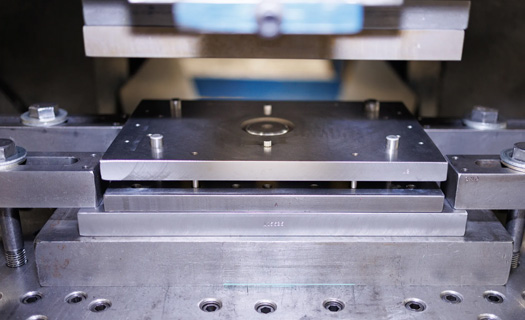
Rigorous inspection is essential after each secondary operation. Dimensional checks, surface finish evaluations, and functional testing help ensure that the part meets all requirements before moving to the next stage or shipment. For instance, after tapping, thread gauges verify that threads are within tolerance, while visual inspections after deburring confirm the absence of sharp edges.
Automated inspection systems are increasingly used to speed up quality checks and reduce human error. However, manual inspection remains important for complex or critical features. Documenting inspection results at each step also supports traceability and continuous improvement.
Managing Burrs and Surface Defects
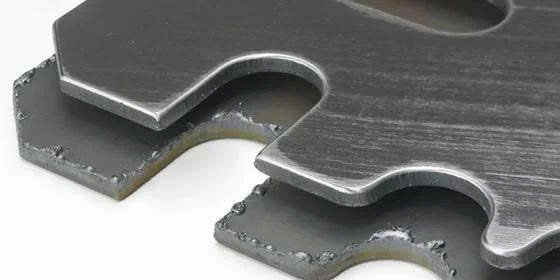
Burrs and surface imperfections are common byproducts of stamping and secondary operations. Left unchecked, these can cause assembly problems, reduce fatigue life, or lead to premature failure. Effective burr management is a core aspect of secondary operation considerations for steel stamping.
Deburring methods include mechanical tumbling, abrasive belts, manual tools, or even laser-based systems. The choice depends on part geometry, production volume, and required finish quality. Surface defects such as scratches or pits may require additional polishing or coating, especially for parts with strict cosmetic or corrosion standards.
Process Integration and Workflow Optimization
Integrating secondary operations into the overall production workflow can yield significant efficiency gains. Whenever possible, combining steps—such as deburring and cleaning in a single pass—reduces handling and cycle time. Automation and robotics are increasingly used to streamline these processes, especially in high-volume environments.
Careful scheduling and layout of secondary operations also prevent bottlenecks. For example, if welding is required after stamping, ensuring that weld fixtures and operators are available avoids delays. Communication between stamping and secondary operation teams is essential for smooth transitions and maintaining quality.
Cost, Lead Time, and Supplier Coordination
Each secondary process adds cost and time to the finished part. Early discussions with suppliers about their capabilities and lead times can help prevent surprises later in the project. Some suppliers may offer in-house secondary services, while others outsource these steps, affecting both price and delivery schedules.
When evaluating suppliers, consider their experience with similar steel alloys, part geometries, and required finishes. Requesting samples or visiting their facilities can provide valuable insights into their process control and quality standards.
Surface Finish and Functional Requirements
The intended use of the stamped part often dictates the required surface finish and secondary operations. For example, automotive or appliance components may need a high-gloss finish, while structural parts focus on corrosion protection. Understanding steel stamping surface finish requirements helps ensure that the right post-processing steps are specified.
Coatings such as zinc plating, powder coating, or painting are common for steel parts. The application method and thickness must be compatible with the part’s geometry and end-use environment. In some cases, masking or selective finishing is needed to protect critical features.
Best Practices for Steel Stamping Secondary Operation Considerations
- Engage with suppliers early to discuss secondary process capabilities and limitations.
- Design parts with secondary operations in mind to minimize complexity and cost.
- Implement robust inspection protocols after each secondary step.
- Document process parameters and inspection results for traceability.
- Continuously review and optimize workflows to reduce cycle time and improve quality.
- Stay informed about new technologies and automation options for secondary processes.
For a deeper dive into the broader field of metal stamping, including safety, process innovations, and industry trends, the comprehensive guide to metal stamping processes offers valuable context.
FAQ: Steel Stamping Post-Processing Insights
What are the most common secondary operations after steel stamping?
Typical post-stamping steps include deburring, tapping, forming, welding, cleaning, and applying surface treatments such as plating or painting. The specific operations depend on part design, material, and end-use requirements.
How do secondary operations affect part cost and lead time?
Each additional process adds labor, equipment, and material costs, as well as extra handling and inspection time. Early planning and process integration can help minimize these impacts by combining steps or automating repetitive tasks.
Why is inspection critical after secondary operations?
Inspection ensures that each post-stamping step meets quality and dimensional standards. Catching defects early prevents costly rework or scrap and maintains consistency throughout the production run.
How can I optimize my workflow for secondary steel stamping processes?
Evaluate opportunities to combine operations, automate repetitive tasks, and coordinate closely with suppliers. Regularly review process data and feedback to identify bottlenecks and areas for improvement.