
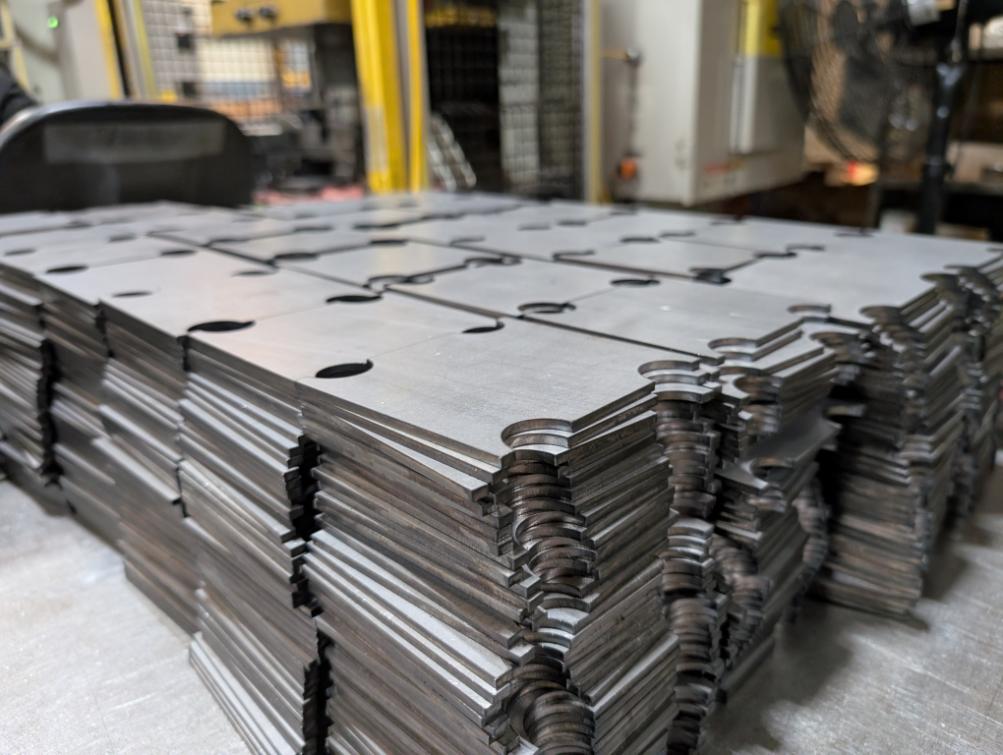
In the world of metal fabrication, shear strength is a fundamental property that directly impacts the quality, safety, and efficiency of stamping operations. For manufacturers, engineers, and quality professionals, a solid grasp of this concept is essential for selecting materials, designing parts, and optimizing processes. This article explores the key principles behind shear strength, how it relates to metal stamping, and why it matters for achieving consistent, defect-free results.
Whether you’re developing new stamped components or troubleshooting production challenges, knowing how different metals respond to shearing forces can help you make informed decisions. We’ll also highlight practical considerations and link to related resources, such as steel stamping edge quality optimization, to support your ongoing improvement efforts.
What Is Shear Strength and Why Does It Matter?
Shear strength refers to a material’s ability to resist forces that cause its internal structure to slide against itself. In metal stamping, these forces are applied when a punch and die work together to cut or form sheet metal. If the material’s shear strength is too low, parts may deform, tear, or develop burrs. If it’s too high, excessive tool wear or incomplete cuts can occur.
Understanding the balance between material properties and process parameters is crucial. Shear strength is typically measured in pounds per square inch (psi) or megapascals (MPa), and varies widely depending on alloy composition, heat treatment, and thickness. For example, stainless steel generally has higher shear strength than aluminum, which affects tool selection and press settings.
Key Factors Influencing Shear Strength in Stamping
Several variables influence how a metal responds to shearing forces during stamping:
- Material Type: Different metals and alloys exhibit unique shear characteristics. Carbon steels, stainless steels, and non-ferrous metals like copper or brass all have distinct behaviors.
- Thickness: Thicker materials require greater force to shear, which can impact die design and press capacity.
- Grain Direction: The orientation of the metal’s grain structure can affect how easily it shears. Stamping across the grain may lead to different results than stamping with the grain.
- Hardness and Temper: Heat treatment and work hardening can increase a metal’s resistance to shearing, but may also make it more brittle.
- Lubrication: Proper lubrication reduces friction and can help achieve cleaner cuts, especially in high-strength materials.
For more on how to avoid surface damage during stamping, see our guide on best practices for stamping coated steels.

How Shear Strength Affects Tooling and Part Quality
The relationship between shear strength and tooling design is direct. Dies and punches must be engineered to withstand the maximum forces generated during the shearing process. If the tooling is under-designed, premature wear or catastrophic failure can result. Conversely, over-engineering can drive up costs without improving performance.
Shear strength also impacts the quality of the finished part. Insufficient force or incorrect clearances can cause:
- Excessive burrs or rough edges
- Distortion or warping of the part
- Incomplete separation of the blank from the sheet
- Cracking or tearing, especially in high-strength alloys
To achieve optimal results, manufacturers must carefully match material properties with die clearance, punch geometry, and press tonnage. For advanced tips on improving edge quality, refer to our resource on steel stamping edge quality optimization.
Calculating Shear Force in Metal Stamping Operations
Accurately estimating the required force for shearing is essential for equipment selection and process planning. The basic formula for calculating shear force is:
Shear Force = Perimeter of Cut × Material Thickness × Shear Strength
For example, if you are blanking a circular part from 1 mm thick steel with a perimeter of 100 mm and a shear strength of 300 MPa (approximately 43,500 psi), the required force would be:
- 100 mm × 1 mm × 300 MPa = 30,000 N (Newtons)
It’s important to include a safety margin to account for variations in material properties and machine efficiency. Consulting with material suppliers or using published data can help ensure accurate calculations.
Material Selection and Process Optimization
Choosing the right material for a stamping project involves balancing shear strength with other properties such as ductility, corrosion resistance, and cost. For high-volume production, materials with predictable shearing behavior are preferred, as they minimize tool wear and reduce scrap rates.
Process optimization strategies include:
- Adjusting die clearance to match material thickness and strength
- Using progressive dies for complex shapes or high-speed runs
- Applying appropriate lubrication to reduce friction and heat
- Regular maintenance and inspection of tooling
For operations involving secondary processes, such as forming or joining, consider the impact of shearing on downstream quality. Our article on steel stamping secondary operation considerations offers further insights.
Common Challenges and Solutions in Shearing Operations
Even with careful planning, manufacturers may encounter challenges related to shear strength in stamping:
- Burr Formation: Excessive burrs can result from incorrect die clearance or dull tooling. Regular sharpening and proper setup help minimize this issue.
- Tool Wear: High-strength materials accelerate tool degradation. Using wear-resistant tool steels and coatings can extend tool life.
- Material Variability: Inconsistent material properties can lead to unpredictable results. Sourcing from reputable suppliers and performing incoming inspections are key preventive measures.
- Cracking and Tearing: These defects often occur when shearing forces exceed the material’s ductility. Adjusting process parameters or switching to a more suitable alloy can resolve the problem.
For additional troubleshooting tips, see our guide on how to prevent wrinkling in deep draw stamping.
Industry Standards and Testing Methods
To ensure consistent quality, manufacturers often rely on standardized testing methods to measure shear strength. Common tests include:
- Double Shear Test: Measures the force required to shear a sample in two planes.
- Single Shear Test: Evaluates the force needed for a single plane cut.
- Tensile Testing: While primarily used for tensile strength, these tests can also provide data on shear properties.
Adhering to industry standards such as ASTM or ISO helps ensure that parts meet customer requirements and regulatory guidelines. For a deeper dive into testing and quality control, the article explaining die design and testing methods for stamping provides a comprehensive overview.
Frequently Asked Questions
What Is the Difference Between Shear Strength and Tensile Strength?
Shear strength measures a material’s resistance to forces that cause sliding along a plane, while tensile strength refers to resistance against pulling forces that stretch the material. Both are important, but shear strength is more directly relevant to cutting and blanking operations in metal stamping.
How Can I Improve Edge Quality When Stamping High-Strength Steels?
Improving edge quality involves optimizing die clearance, maintaining sharp tooling, and using appropriate lubrication. For high-strength steels, consider using advanced tool steels and coatings to reduce wear and achieve cleaner cuts. For more details, review our article on steel stamping edge quality optimization.
Why Is Die Clearance Important in Relation to Shear Strength?
Die clearance is the gap between the punch and die. If the clearance is too small, excessive force is needed, increasing tool wear and risking part distortion. Too large a clearance can cause burrs and poor edge quality. Proper clearance is determined by material thickness and shear strength, ensuring efficient shearing and high-quality parts.
Conclusion
A thorough understanding of shear strength is vital for anyone involved in metal stamping. By considering material properties, tooling design, and process parameters, manufacturers can produce reliable, high-quality components while minimizing waste and downtime. For those responsible for operator training, see our guide on how to train operators for steel stamping safety to further enhance shop floor performance and safety.