
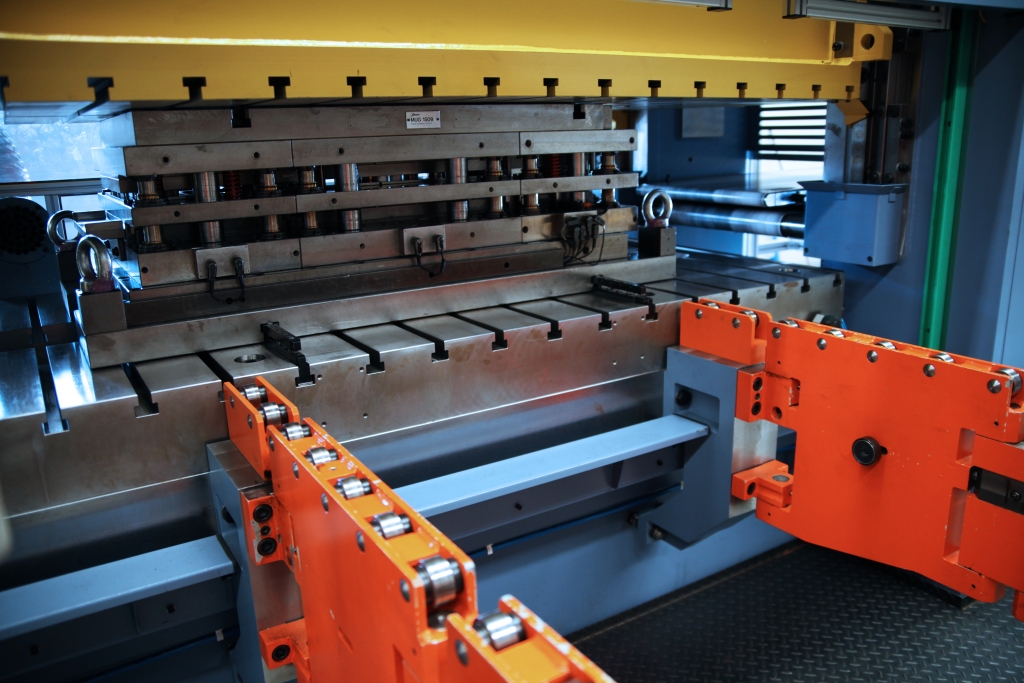
Maintaining steel stamping safety is a critical responsibility for any manufacturing facility working with presses and dies. Proper training for operators not only protects workers from injury but also ensures regulatory compliance, reduces downtime, and improves production quality. This guide outlines practical steps and best practices for developing an effective safety training program for steel stamping operators, with a focus on real-world application and ongoing improvement.
Whether you are updating an existing safety protocol or building a new training curriculum from scratch, understanding the unique risks of the stamping environment is essential. By prioritizing hazard recognition, hands-on learning, and continuous evaluation, you can create a safer, more productive workplace.
For those interested in fine-tuning their press operations, you may also want to review stamping press vibration control tips to further enhance both safety and precision in your facility.
Understanding the Importance of Operator Safety Training
Steel stamping involves high-speed presses, sharp dies, and heavy materials, making the work environment inherently hazardous. Without comprehensive training, operators may be exposed to risks such as pinch points, flying debris, and equipment malfunctions. A well-structured training program is the foundation for minimizing these dangers and ensuring that every worker understands both the risks and the correct safety procedures.
- Compliance with regulations: Training ensures adherence to OSHA and industry standards.
- Reduction in workplace injuries: Informed operators are less likely to make mistakes that lead to accidents.
- Improved equipment longevity: Proper usage and maintenance reduce wear and prevent costly breakdowns.
- Higher product quality: Safe practices often translate to more consistent and precise stamping results.
Key Elements of a Steel Stamping Safety Training Program
Developing a robust training program for steel stamping operators requires a blend of classroom instruction, hands-on practice, and ongoing assessment. The following components are essential for effective learning and long-term retention.
Hazard Identification and Risk Assessment
Operators must be able to recognize potential hazards in the stamping process. Training should cover:
- Common sources of injury (e.g., moving parts, sharp edges, electrical hazards)
- How to perform a risk assessment before starting work
- Reporting unsafe conditions or equipment malfunctions
Safe Work Practices and Procedures
Clear, step-by-step procedures help prevent accidents. Training should include:
- Proper startup and shutdown of stamping presses
- Lockout/tagout procedures for maintenance
- Correct use of personal protective equipment (PPE)
- Safe handling and positioning of materials
Hands-On Equipment Training
Classroom learning must be reinforced with practical, supervised experience on the shop floor. Operators should demonstrate:
- Accurate setup and adjustment of stamping dies
- Safe operation of presses under normal and emergency conditions
- Routine inspection and cleaning of equipment

Integrating Safety Standards and Best Practices
To ensure ongoing compliance, training must align with both internal policies and external regulations. Referencing resources like metal stamping safety guidelines can help you stay current with industry standards.
- Update training materials regularly to reflect regulatory changes
- Encourage operators to participate in safety committees or meetings
- Document all training sessions and maintain records for audits
Continuous Improvement and Refresher Training
Safety is not a one-time achievement. Schedule periodic refresher courses and encourage feedback from operators to identify areas for improvement. Consider incorporating lessons learned from near-misses or incidents into future training sessions.
Evaluating Operator Competency and Program Effectiveness
Assessing both individual operator skills and the overall impact of your training program is vital for sustained safety performance. Use a combination of written tests, practical demonstrations, and supervisor evaluations to measure competency.
- Conduct regular safety audits and workplace inspections
- Track incident rates and analyze trends for recurring issues
- Solicit anonymous feedback to uncover gaps in training
For further insight into optimizing your stamping operations, explore related topics such as impact of press speed on part accuracy or steel stamping surface finish requirements.

Common Challenges in Operator Safety Training
Even the most comprehensive training programs can face obstacles. Some common challenges include:
- Language barriers: Ensure materials are available in all languages spoken by your workforce.
- Complacency: Reinforce the importance of safety, even among experienced operators.
- Time constraints: Schedule training sessions to minimize disruption without sacrificing thoroughness.
- Changing technology: Update training as new equipment or processes are introduced.
Building a Culture of Safety in Steel Stamping
The most effective safety programs go beyond compliance—they foster a culture where every team member feels responsible for their own safety and that of their coworkers. Encourage open communication, recognize safe behavior, and make it easy for operators to report concerns or suggest improvements.
- Lead by example: Supervisors and management should model safe behaviors at all times.
- Reward proactive safety actions, such as hazard reporting or peer coaching.
- Involve operators in safety audits and process reviews.
For more on optimizing your stamping processes, consider reading about differences between hydraulic and mechanical stamping presses or how to select a steel stamping lubricant.
Frequently Asked Questions
What topics should be included in a steel stamping safety training program?
Essential topics include hazard identification, safe work practices, proper use of PPE, lockout/tagout procedures, emergency response, and hands-on equipment operation. Regular updates and refreshers should address new equipment, process changes, and lessons learned from incidents.
How often should operators receive safety training?
Initial training should be provided before an operator begins work. Refresher training is recommended at least annually, or whenever new equipment is introduced, procedures change, or an incident occurs.
How can I measure the effectiveness of my safety training program?
Effectiveness can be evaluated through written tests, practical demonstrations, safety audits, and tracking incident rates. Gathering feedback from operators and supervisors also helps identify areas for improvement.