
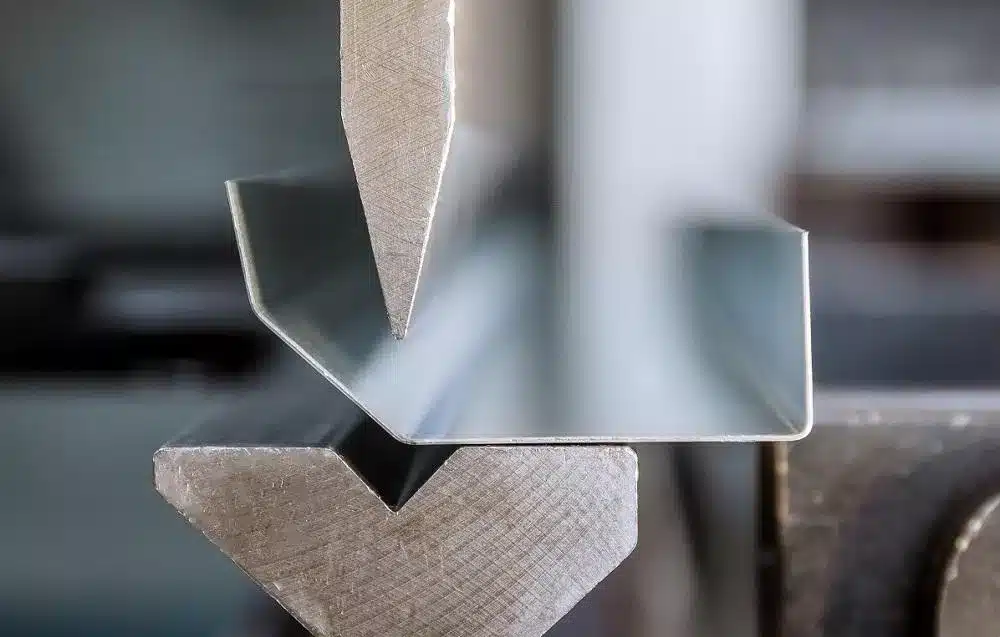
Reducing noise in steel stamping environments is a critical aspect of maintaining a safe and productive workplace. Excessive sound levels not only create discomfort but also pose long-term health risks for operators and nearby staff. Implementing effective steel stamping noise reduction strategies can help companies comply with safety regulations, protect hearing, and foster a more efficient production environment.
This article explores proven approaches to minimize noise in metal forming operations. We will cover the sources of noise, practical engineering controls, and best practices for integrating sound reduction into your shop’s daily workflow. For those seeking to optimize other aspects of their stamping operations, you may also find value in reviewing best practices for stamping coated steels to ensure quality and compliance across your processes.
Understanding Noise Sources in Metal Stamping
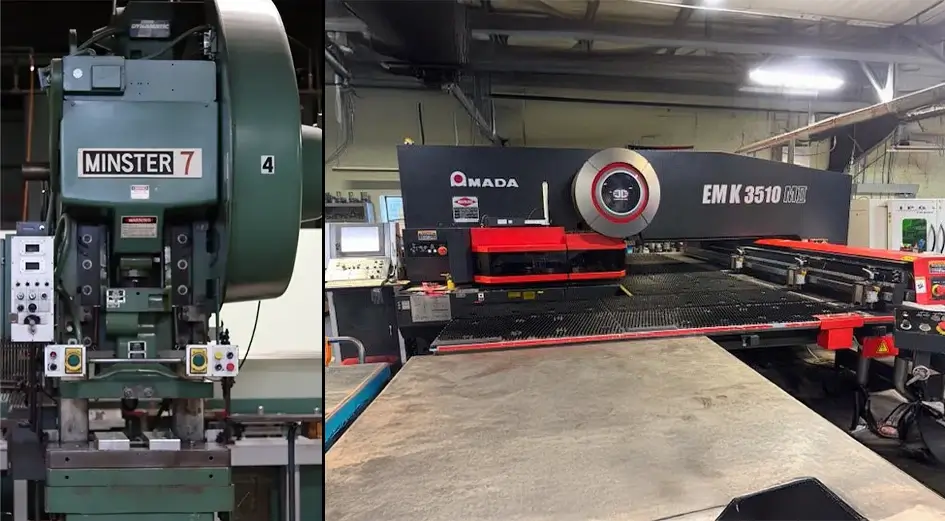
Noise in steel stamping operations is primarily generated by the impact between metal parts, dies, and presses. The rapid movement of heavy machinery, vibration of components, and resonance within the shop environment can all contribute to elevated sound levels. Key contributors include:
- Tool and die impact: The collision between the punch and die during stamping creates a sharp, high-decibel sound.
- Material handling: Loading and unloading steel sheets or parts can produce additional clatter.
- Machine vibration: Mechanical vibrations transfer through the floor and structure, amplifying noise.
- Auxiliary equipment: Conveyors, feeders, and scrap removal systems can add to the overall noise profile.
Understanding these sources is the first step toward implementing targeted solutions that address the root causes of excessive sound.
Engineering Controls for Noise Reduction
The most effective way to reduce noise in steel stamping is through engineering controls—modifications to equipment or processes that physically limit sound generation. Some of the most practical solutions include:
Die Cushioning and Dampening Materials
Installing die cushions or using dampening materials between the die and press bed can absorb some of the impact energy, reducing the sharpness of each strike. Modern elastomeric pads or composite inserts are designed to withstand repeated use while minimizing noise.
Acoustic Enclosures and Barriers
Surrounding stamping presses with acoustic enclosures or sound-absorbing panels can contain and dissipate noise before it spreads throughout the shop. These barriers are especially effective in facilities with multiple presses operating simultaneously.
Vibration Isolation
Mounting equipment on vibration isolation pads or resilient mounts helps prevent mechanical vibrations from transferring into the building structure. This not only reduces noise but also protects sensitive equipment nearby.
Administrative and Operational Approaches
Beyond physical modifications, operational changes can further reduce noise exposure for workers. These strategies are often easier to implement and can provide immediate benefits:
- Scheduling noisy operations during shifts with fewer personnel present to limit overall exposure.
- Rotating staff to minimize the duration any one operator spends in high-noise areas.
- Implementing preventive maintenance to keep machines running smoothly and avoid excess vibration or rattling.
- Training employees on proper material handling techniques to avoid unnecessary banging or dropping of parts.
For a comprehensive approach to compliance and operator safety, consider reviewing guidance on how to train operators for steel stamping safety.
Personal Protective Equipment and Hearing Conservation
While engineering and administrative controls should always be the primary focus, personal protective equipment (PPE) remains an essential line of defense. Hearing protection such as earmuffs or earplugs must be provided to all personnel working near stamping presses. A robust hearing conservation program should include:
- Regular noise level monitoring and documentation
- Annual hearing tests for exposed employees
- Clear signage indicating required PPE zones
- Employee training on the correct use and care of hearing protection
These measures help ensure compliance with occupational safety standards and protect workers from long-term hearing damage.

Integrating Sound Reduction Into Shop Design
When planning new facilities or upgrading existing ones, integrating noise control strategies into the shop layout can yield significant long-term benefits. Considerations include:
- Positioning stamping presses away from offices, break rooms, and other noise-sensitive areas
- Using sound-absorbing ceiling tiles and wall panels throughout the shop
- Designing workflow paths that minimize the need for personnel to pass through high-noise zones
- Installing barriers or curtains between noisy and quiet work areas
These design choices can make a substantial difference in overall sound levels and worker comfort.
Compliance and Safety Considerations
Meeting regulatory requirements for occupational noise exposure is not just a legal obligation but a moral one. The Occupational Safety and Health Administration (OSHA) sets permissible exposure limits for workplace noise, and exceeding these can result in penalties or increased liability. For detailed safety guidance, refer to recommended safety precautions for operating metal stamping machinery.
Regular noise assessments, employee training, and documentation are essential components of a compliant safety program. For help with documentation, see advice on how to document steel stamping processes for compliance.
Continuous Improvement and Monitoring
Noise reduction is not a one-time fix. Shops should regularly review their sound control measures, monitor noise levels, and seek feedback from employees. New technologies and materials for dampening and isolation are continually emerging, offering opportunities for further improvement.
Integrating noise control with other process improvements—such as steel stamping edge quality optimization or minimizing downtime—can lead to a safer, more efficient, and more pleasant working environment.
FAQ: Steel Stamping Noise Control
What are the most effective ways to reduce noise in a stamping shop?
The most effective approaches combine engineering controls (such as die cushioning, acoustic barriers, and vibration isolation) with administrative measures (like scheduling and staff rotation) and the use of personal protective equipment. Regular maintenance and shop layout optimization also play important roles.
How often should noise levels be monitored in a steel stamping facility?
Noise levels should be measured at least annually, or whenever new equipment is installed or processes change. More frequent monitoring may be needed in high-risk environments or if employee complaints arise.
Is hearing protection always required in stamping operations?
Hearing protection is required whenever noise levels exceed regulatory limits, which is common in stamping environments. Even with noise reduction measures in place, PPE should be worn as an added safeguard.