
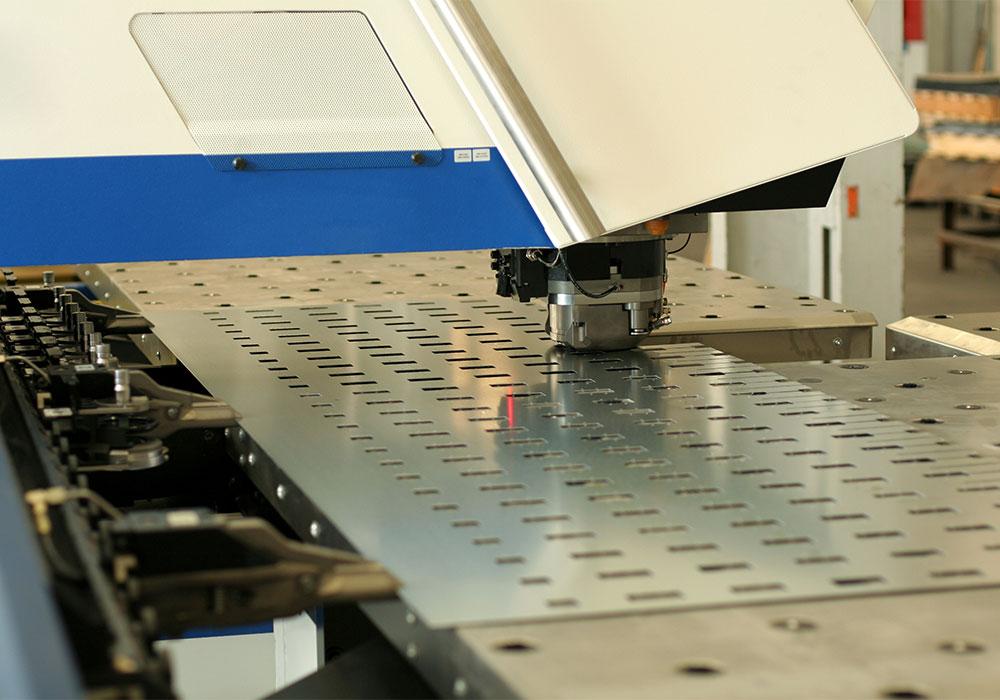
The efficiency and safety of metalworking operations depend heavily on how well scrap is managed during the stamping process. Choosing the right steel stamping scrap removal system types can significantly impact productivity, reduce downtime, and improve workplace safety. As manufacturers face increasing demands for speed and precision, understanding the available options for scrap removal and their respective advantages is crucial for any facility involved in sheet metal forming.
Scrap generated during stamping can range from small slugs and trims to larger offcuts. If not handled properly, this waste can cause equipment jams, pose safety hazards, and lead to costly interruptions. Selecting the appropriate system ensures smooth operation, minimizes manual intervention, and supports lean manufacturing goals.
For those seeking to optimize their stamping operations, it’s important to stay informed about best practices and technical advancements. For example, exploring steel stamping edge quality optimization can further enhance the quality and efficiency of your processes.
Understanding Scrap Removal in Steel Stamping
During the stamping process, metal sheets are shaped, cut, and formed using dies and presses. This process inevitably produces scrap, which must be removed efficiently to prevent accumulation and maintain continuous production. The choice of scrap removal method depends on factors such as the type of press, the volume of scrap, available floor space, and the specific requirements of the manufacturing line.
A well-designed scrap handling system not only improves operational flow but also contributes to a safer working environment. Inadequate scrap management can lead to equipment malfunctions, increased maintenance, and potential safety incidents. For more on maintaining safety in metal stamping environments, see this comprehensive overview of safety in the metal stamping industry.
Key Types of Steel Stamping Scrap Removal Systems
There are several steel stamping scrap removal system types commonly used in modern manufacturing. Each system offers unique features and is suited to specific production needs. Below are the most prevalent options:
1. Conveyor-Based Scrap Removal
Conveyor systems are among the most popular solutions for transporting scrap away from the stamping area. These systems use belts, steel slats, or magnetic conveyors to move waste material to designated collection points. They are ideal for high-volume operations and can be customized to fit various layouts.
- Belt Conveyors: Flexible and easy to install, suitable for light to medium scrap loads.
- Steel Slat Conveyors: Durable, designed for heavy or sharp scrap that could damage standard belts.
- Magnetic Conveyors: Effective for handling ferrous scrap, keeping the work area clean and reducing manual handling.
2. Chute and Gravity Systems
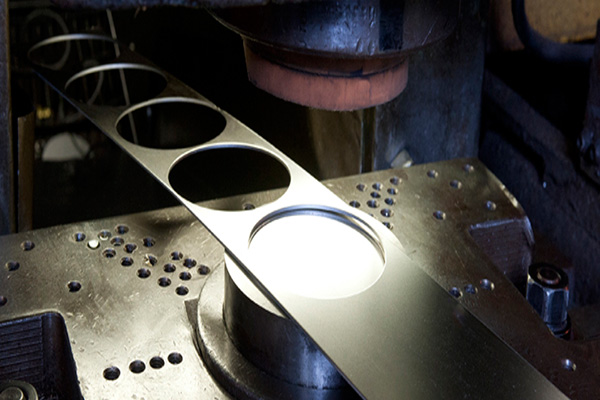
Chute systems rely on gravity to guide scrap from the press area into bins or hoppers below. These are simple, low-maintenance solutions best suited for operations where scrap can fall freely without risk of jamming. Chutes are often paired with vibratory feeders to prevent blockages and ensure consistent flow.
- Minimal mechanical components, reducing maintenance needs.
- Ideal for smaller presses or where space is limited.
- Can be integrated with automated bin tippers for further efficiency.
3. Pneumatic Scrap Removal
Pneumatic systems use air pressure or vacuum to transport lightweight scrap through tubes to a remote collection area. This method is particularly effective for small slugs, trims, and offcuts generated at high speed. Pneumatic scrap removal is often used in progressive die stamping lines where rapid removal is essential.
- Reduces manual handling and keeps the press area clear.
- Can be routed overhead or underground, saving valuable floor space.
- Suitable for integration with dust collection and filtration systems.
4. Oscillating and Vibratory Conveyors
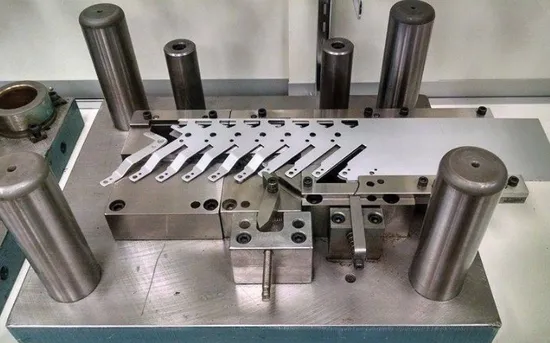
These systems use controlled vibration or oscillation to move scrap along a trough or tray. Vibratory conveyors are well-suited for irregularly shaped or sticky scrap that might otherwise jam a belt conveyor. They can be adjusted for speed and amplitude to match the specific scrap characteristics.
- Gentle handling reduces noise and wear on parts.
- Can be designed for horizontal or inclined movement.
- Often used in conjunction with other removal systems for maximum flexibility.
Main Advantages of Modern Scrap Handling Solutions
Implementing the right scrap removal system offers several important benefits for stamping operations:
- Increased Productivity: Automated scrap handling minimizes manual intervention, allowing presses to run longer between stops.
- Enhanced Safety: Removing scrap promptly reduces trip hazards and the risk of injury from manual scrap handling.
- Reduced Downtime: Efficient systems prevent jams and blockages that can halt production.
- Cleaner Work Environment: Proper scrap management keeps the shop floor tidy and reduces dust and debris.
- Cost Savings: Lower maintenance and labor costs, along with improved material recycling, contribute to overall savings.
For manufacturers working with coated steels or electrical steel, integrating scrap removal with best practices for stamping coated steels or best practices for stamping electrical steel can further enhance results and extend equipment life.
Factors to Consider When Selecting a Scrap Removal System
Choosing the most suitable steel stamping scrap removal system types for your operation involves evaluating several factors:
- Type and Volume of Scrap: Large, heavy scrap may require robust conveyor systems, while fine slugs or trims might be best handled pneumatically.
- Press Configuration: The layout and accessibility of the press area will influence whether chutes, conveyors, or pneumatic systems are most practical.
- Available Space: Facilities with limited floor space may benefit from overhead or underground pneumatic systems.
- Integration with Automation: Modern lines often require systems that can be synchronized with robotic handling or automated bin emptying.
- Maintenance Requirements: Simpler systems like chutes may require less upkeep, while conveyors and pneumatic systems need regular inspection and servicing.
Consulting with equipment suppliers and reviewing technical guides, such as those on how to choose between transfer and progressive stamping, can help ensure the chosen solution aligns with your production goals.
Integrating Scrap Removal with Quality and Process Optimization
Effective scrap management is closely tied to overall process quality. Poorly designed removal systems can lead to edge defects, part contamination, or even tool damage. By coordinating scrap handling with quality control measures, manufacturers can achieve more consistent results and reduce rework.
For those interested in pushing the limits of what’s possible in stamping, exploring topics like understanding the limits of steel formability can provide valuable insights into how scrap removal fits into a broader process optimization strategy.
Frequently Asked Questions
What is the most common method for removing scrap in high-volume steel stamping?
Conveyor-based systems, especially belt and steel slat conveyors, are widely used in high-volume operations due to their reliability and ability to handle large amounts of scrap efficiently.
How does pneumatic scrap removal differ from conveyor systems?
Pneumatic systems use air pressure or vacuum to transport lightweight scrap through tubes, making them ideal for small slugs and trims. Conveyor systems, on the other hand, physically move scrap along belts or slats and are better suited for heavier or bulkier waste.
Can scrap removal systems be retrofitted to existing stamping presses?
Yes, many scrap removal solutions can be adapted to existing equipment. The feasibility depends on the press layout, available space, and the type of scrap produced. Consulting with system providers can help determine the best retrofit options.