
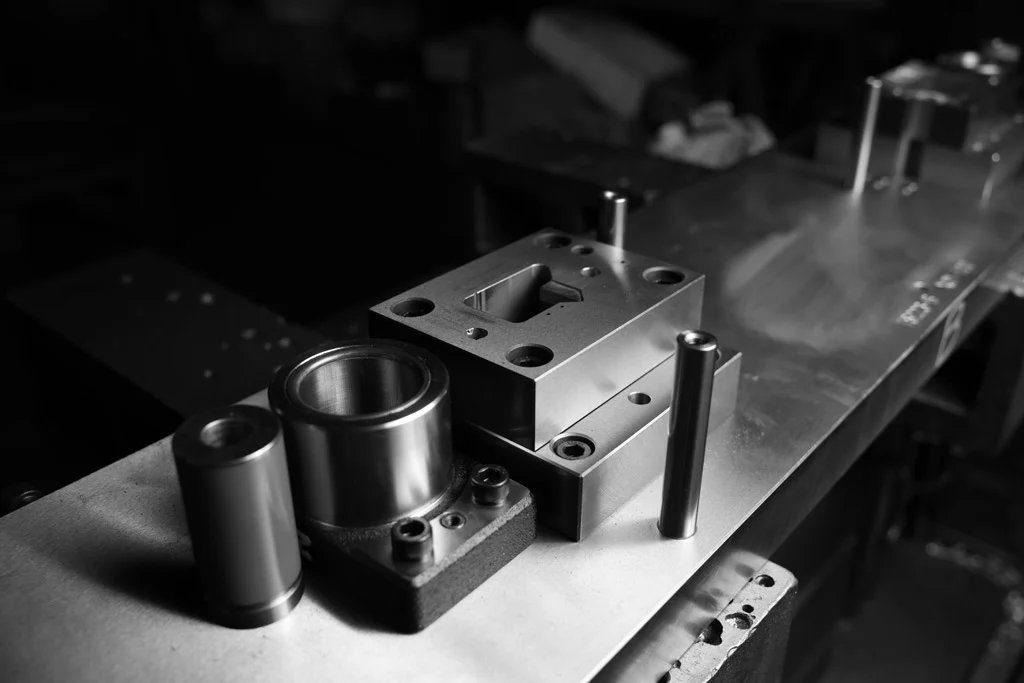
Designing steel parts for stamping is a complex process that requires careful planning, a strong understanding of material behavior, and a focus on manufacturability. Applying the right steel stamping design for manufacturing tips can help engineers and manufacturers reduce costs, improve part quality, and streamline production. This article explores proven strategies for optimizing your designs, minimizing waste, and ensuring reliable, repeatable results in steel stamping operations.
Whether you’re developing automotive components, appliance parts, or industrial brackets, integrating DFM principles early in the design phase is essential. By considering factors such as material selection, feature geometry, and tool design, you can avoid common pitfalls and achieve better outcomes. For those interested in related topics like material properties, check out this resource on steel stamping material yield strength considerations to further enhance your understanding.
Understanding DFM Principles in Steel Stamping
Design for Manufacturing (DFM) is the practice of designing products so they are easy and cost-effective to manufacture. In the context of steel stamping, DFM focuses on simplifying part geometry, choosing suitable materials, and ensuring that features can be produced with standard tooling and minimal secondary operations. Applying these principles can lead to:
- Lower production costs
- Improved part consistency and quality
- Faster turnaround times
- Reduced tool wear and maintenance
By embedding DFM thinking into your workflow, you can anticipate manufacturing challenges and address them before they become costly problems.
Material Selection and Its Impact on Stamping Success
One of the first decisions in any stamping project is selecting the right steel. Material choice affects everything from formability to final part strength. Here are some key considerations:
- Yield strength: Higher yield strength steels offer better durability but may require more robust tooling. For more on this, see our guide on steel stamping material yield strength considerations.
- Coatings and surface treatments: Coated steels can improve corrosion resistance but may require special handling to prevent surface damage. For best practices, refer to best practices for stamping coated steels.
- Grain size: The grain structure of steel influences its ability to be formed without cracking. For a deeper dive, check out steel stamping material grain size importance.
Balancing these factors ensures that your stamped parts meet both performance and manufacturability requirements.
Optimizing Part Geometry for Efficient Stamping
Geometry plays a pivotal role in the success of any stamped steel part. Here are some essential steel stamping design for manufacturing tips related to geometry:
- Uniform wall thickness: Maintain consistent thickness throughout the part to avoid weak spots and uneven material flow.
- Generous radii and fillets: Sharp corners are prone to cracking and increase tool wear. Use generous radii wherever possible to improve material flow and prolong tool life.
- Minimize deep draws: Deep drawn features are more challenging and may require additional forming steps. If deep draws are necessary, ensure gradual transitions and adequate lubrication.
- Hole and slot placement: Keep holes and slots away from bends and edges to prevent distortion and tearing during forming.
Thoughtful geometry not only enhances manufacturability but also contributes to part strength and longevity.
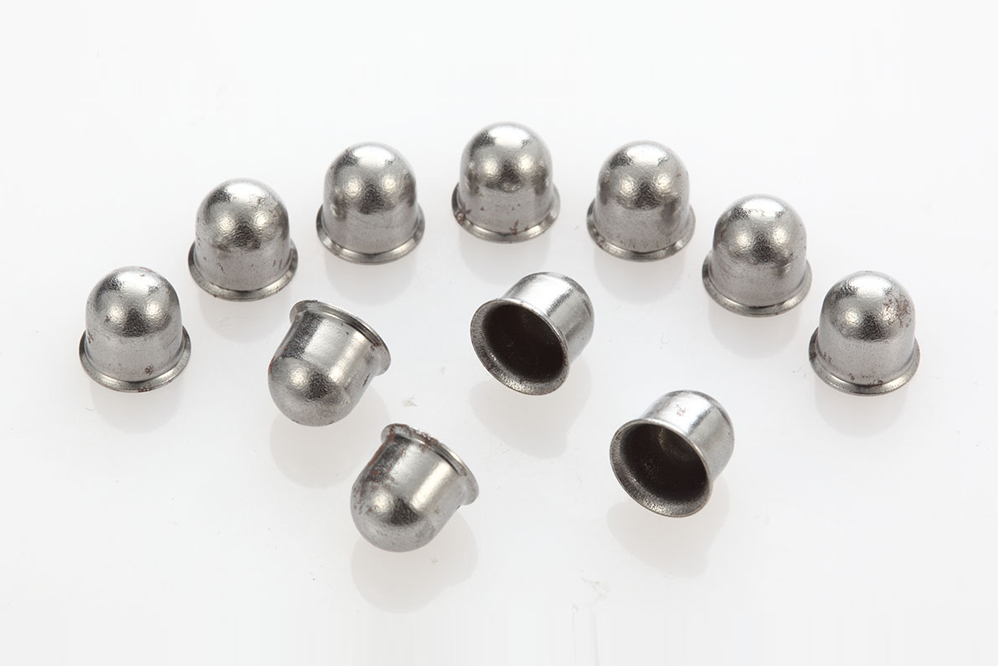
Tooling Design and Maintenance Considerations
Tooling is at the heart of every stamping operation. Well-designed tools not only produce accurate parts but also reduce downtime and maintenance costs. Consider the following:
- Standardize tool components: Use standard punches, dies, and inserts wherever possible to simplify maintenance and reduce lead times for replacements.
- Plan for wear: Identify high-wear areas and design tools with replaceable inserts or coatings to extend tool life.
- Scrap management: Efficient scrap removal is essential for high-speed stamping. For guidance, see how to optimize scrap chute angles.
- Part ejection: Ensure that parts can be reliably ejected from the die to prevent jams and maintain cycle times. Learn more about this in how to optimize part ejection in stamping.
Regular tool inspection and preventive maintenance are also critical to sustaining quality and productivity.
Reducing Defects and Improving Quality Control
Quality issues in steel stamping often stem from design oversights or inadequate process control. To minimize defects:
- Design for tolerance: Specify realistic tolerances based on the stamping process capabilities. Overly tight tolerances increase costs and may not be achievable.
- Use pilot holes and features: Incorporate pilot holes or locating features to ensure accurate alignment during multi-stage operations.
- Plan for secondary operations: If secondary processes like tapping or welding are required, design features that facilitate these steps without compromising part integrity.
- Implement robust inspection protocols: Use in-process and final inspections to catch defects early and maintain consistent quality.
Collaborating closely with your stamping supplier can help identify potential issues and implement corrective actions quickly.
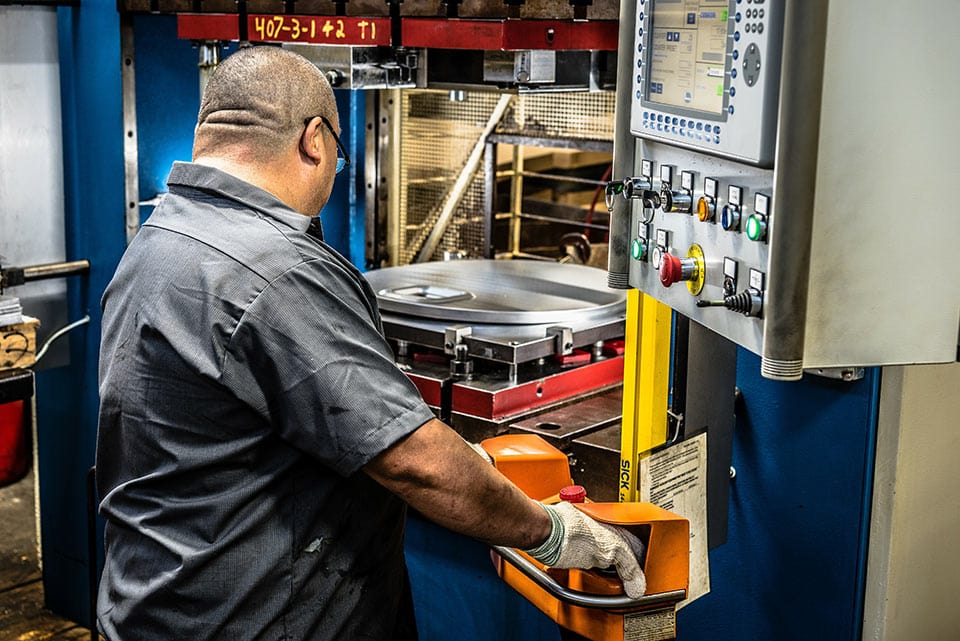
Safety and Best Practices in Steel Stamping Operations
Safety is paramount in any metal forming environment. Following established safety protocols not only protects workers but also ensures consistent production. For a comprehensive overview of safe practices, refer to safe practices of a precision metal stamper. Key safety measures include:
- Regular machine maintenance and inspection
- Proper training for operators and maintenance staff
- Use of personal protective equipment (PPE)
- Clear signage and emergency stop mechanisms
Integrating safety considerations into the design phase can help prevent accidents and reduce downtime.
Frequently Asked Questions
What are the most important DFM strategies for steel stamping?
The most effective strategies include selecting the right material, maintaining uniform wall thickness, using generous radii, and designing features that are easy to produce with standard tooling. Early collaboration between design and manufacturing teams also helps identify and resolve potential issues before production begins.
How does material grain size affect stamped part quality?
Grain size impacts the formability and strength of steel. Finer grains generally allow for better formability and less risk of cracking, while coarser grains may be more prone to defects. Understanding grain structure is essential for achieving high-quality stamped components.
Why is scrap management important in steel stamping?
Efficient scrap removal prevents jams, reduces downtime, and helps maintain consistent production speeds. Properly designed scrap chutes and removal systems are critical, especially in high-volume operations. For more details, see our article on how to optimize scrap chute angles.
Conclusion
Applying the right steel stamping design for manufacturing tips can make a significant difference in the cost, quality, and reliability of your stamped steel parts. By focusing on material selection, part geometry, tooling design, and safety, you’ll be well-positioned to deliver successful projects and maintain a competitive edge in the industry. For further reading on advanced topics, explore our resources on material yield strength and coated steel stamping best practices.