

Improving material efficiency engineering metals is a top priority for manufacturers seeking to reduce costs, minimize waste, and support sustainability goals. As the demand for metals continues to rise across industries like automotive, aerospace, and construction, optimizing how raw materials are sourced, processed, and utilized has become essential. This guide explores proven strategies, practical tools, and the latest trends for maximizing efficiency in metal engineering, from design to production and recycling.
Adopting efficient practices not only conserves valuable resources but also enhances competitiveness in a market where environmental regulations and consumer expectations are evolving rapidly. By focusing on smarter design, advanced manufacturing methods, and robust waste management, companies can achieve significant savings and reduce their environmental footprint.
For those interested in the broader context of sustainable manufacturing, exploring the future of sustainable metal manufacturing provides valuable insights into emerging trends and technologies shaping the industry.
Why Material Efficiency Matters in Metal Engineering
Resource efficiency is critical in metal engineering due to the high energy and environmental costs associated with extracting and processing metals. Inefficient use of materials leads to increased production expenses, higher emissions, and greater landfill waste. By implementing best practices, organizations can:
- Reduce raw material consumption and associated costs
- Lower energy usage throughout the manufacturing process
- Minimize scrap and rework rates
- Improve product quality and consistency
- Enhance environmental compliance and corporate reputation
These benefits make it clear why companies are investing in strategies that promote material efficiency engineering metals at every stage of the product lifecycle.
Design Principles for Maximizing Metal Utilization
Optimizing material use begins at the design stage. Engineers can significantly influence efficiency by considering the following principles:
- Design for Manufacturability (DFM): Simplify part geometries to reduce machining and forming waste.
- Material Selection: Choose alloys that offer the required properties with minimal excess or overengineering.
- Standardization: Use standard sizes and shapes to facilitate bulk purchasing and reduce offcuts.
- Modular Design: Create components that can be reused or easily replaced, extending product life and reducing waste.
- Lightweighting: Remove unnecessary material without compromising structural integrity, especially important in transportation sectors.
These approaches not only cut costs but also support sustainability by reducing the total amount of metal required for production.
Manufacturing Techniques to Enhance Efficiency
Modern manufacturing offers several methods to improve material efficiency engineering metals in practice. Some of the most effective include:
- Near-Net Shape Manufacturing: Processes like precision casting, forging, and additive manufacturing produce parts close to their final dimensions, minimizing machining waste.
- Sheet Metal Nesting: Advanced software arranges part layouts to maximize sheet utilization and reduce scrap.
- Closed-Loop Recycling: Capturing and reusing scrap metal within the facility prevents valuable material from being discarded.
- Lean Manufacturing: Techniques such as value stream mapping help identify and eliminate inefficiencies in the production process. For a practical guide, see value stream mapping metals industry.
- Automated Inspection: Digital calipers and laser measurement systems ensure parts meet specifications, reducing rework and wasted material.

Waste Reduction and Scrap Management
Even with the best design and manufacturing practices, some waste is inevitable. Effective scrap management is crucial for maintaining high material efficiency in metalworking operations. Key strategies include:
- Segregation of Scrap: Separate different alloys and grades to maximize recycling value.
- Onsite Processing: Shredding and compacting scrap for easier handling and transport.
- Supplier Collaboration: Work with suppliers who offer take-back or buy-back programs for scrap metal. Learn more about supplier waste reduction programs metals for better sourcing.
- Data Tracking: Monitor scrap rates and causes to identify areas for improvement.
For a deeper dive into responsible waste handling, see this comprehensive overview of waste management in the metals industry.
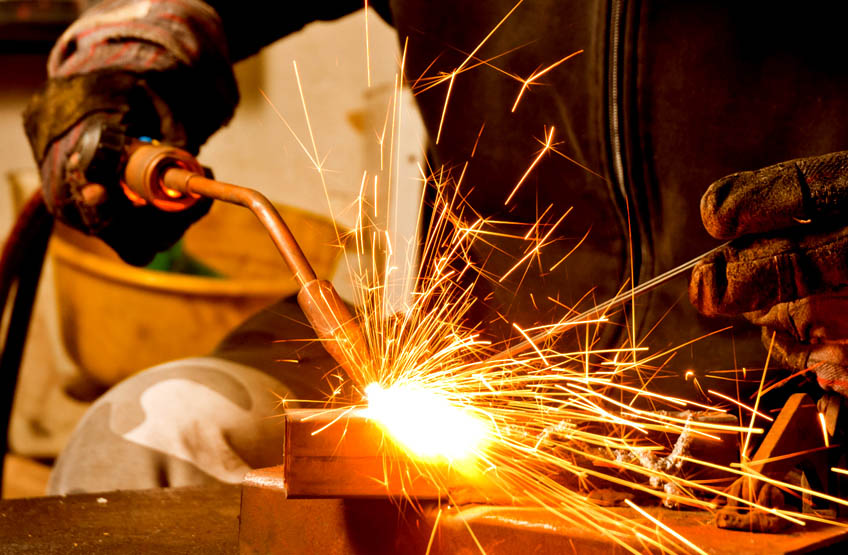
Recycling and Circular Economy Approaches
Recycling is a cornerstone of material efficiency in metal engineering. By reintegrating end-of-life products and manufacturing scrap back into the supply chain, companies can dramatically reduce their reliance on virgin resources. Key elements of a circular approach include:
- Product Take-Back Programs: Encourage customers to return used products for recycling.
- Design for Disassembly: Make it easier to separate and recover valuable metals at the end of a product’s life.
- Collaboration with Recyclers: Partner with specialized facilities to ensure high recovery rates and quality.
For manufacturers looking to improve their end-of-life strategies, the article on end of life metal recycling strategies offers actionable guidance.
Staying informed about innovations in metal recycling technology can also help companies adopt the latest solutions for maximizing resource recovery and minimizing waste.
Measuring and Monitoring Material Efficiency
Continuous improvement relies on accurate measurement. Tracking key performance indicators (KPIs) helps organizations identify trends, set targets, and drive accountability. Common metrics include:
- Material Yield: Percentage of input material that becomes finished product
- Scrap Rate: Proportion of material lost during production
- Recycling Rate: Amount of scrap and end-of-life material successfully recycled
- Energy Intensity: Energy consumed per unit of finished product
Regular audits and benchmarking against industry standards are essential for maintaining high material efficiency and identifying new opportunities for improvement.
Emerging Trends and Future Directions
The field of metal engineering is constantly evolving, with new technologies and business models offering fresh opportunities for efficiency. Some trends to watch include:
- Digital Twins: Virtual models of manufacturing processes enable real-time optimization and predictive maintenance.
- Artificial Intelligence: AI-driven analytics identify inefficiencies and recommend process improvements.
- Advanced Alloys: New materials with enhanced properties can reduce the amount of metal required for specific applications.
- Decentralized Recycling: Smaller, local recycling units reduce transportation costs and emissions.
Staying ahead of these trends ensures that companies remain competitive and continue to improve their material utilization practices.
Frequently Asked Questions
What is the main goal of material efficiency in metal engineering?
The primary objective is to maximize the use of raw materials while minimizing waste, energy consumption, and environmental impact. This leads to cost savings, improved sustainability, and better product quality.
How can manufacturers reduce scrap in metalworking?
Manufacturers can lower scrap rates by optimizing part design, using advanced nesting software, implementing lean manufacturing principles, and investing in automated inspection systems to catch errors early.
Why is recycling important for material efficiency?
Recycling allows companies to recover valuable metals from scrap and end-of-life products, reducing the need for new raw materials and lowering the overall environmental footprint of manufacturing operations.