

The future of sustainable metal manufacturing is being shaped by a combination of technological innovation, regulatory pressures, and a growing demand for environmentally responsible practices. As industries worldwide seek to reduce their carbon footprint, metal producers are rethinking traditional processes and investing in cleaner, more efficient methods. This shift is not only about compliance but also about staying competitive and meeting the expectations of increasingly eco-conscious customers.
From advanced recycling techniques to the adoption of renewable energy, the metal sector is undergoing significant transformation. Companies are exploring new ways to minimize waste, improve energy efficiency, and maximize resource recovery. These changes are supported by evolving standards and certifications, such as ISO 14001, which help organizations structure their environmental management systems for measurable impact. For manufacturers looking to stay ahead, understanding the latest trends and best practices is essential.
One key area of progress is in supplier waste reduction programs metals, where better sourcing and collaboration across the supply chain lead to less material loss and more efficient production. By integrating these programs early, manufacturers can set a strong foundation for ongoing sustainability improvements.
Key Drivers Shaping Sustainable Metal Production
Several forces are accelerating the transition toward greener metal manufacturing. Regulatory requirements, such as emissions limits and waste management rules, are becoming stricter in many regions. At the same time, customers and investors are prioritizing companies with strong environmental credentials. This dual pressure is prompting manufacturers to adopt new technologies and rethink their operations.
- Regulatory Compliance: Governments are introducing tighter controls on emissions, water usage, and hazardous waste, pushing manufacturers to upgrade equipment and processes.
- Market Demand: Industries such as automotive, construction, and electronics are seeking metals with lower embodied carbon and clear sustainability credentials.
- Resource Scarcity: As high-quality ore becomes harder to access, recycling and resource efficiency are becoming vital for long-term viability.
- Technological Innovation: Advances in process automation, digital monitoring, and material science are enabling more efficient and less polluting operations.
Innovative Technologies for Greener Manufacturing
Modern metal producers are leveraging a range of technologies to reduce their environmental impact. Some of the most promising developments include:
- Electric Arc Furnaces (EAF): EAFs use electricity instead of fossil fuels to melt scrap metal, significantly reducing CO2 emissions compared to traditional blast furnaces.
- Hydrogen-Based Reduction: Replacing carbon with hydrogen in the reduction process can produce steel with minimal greenhouse gas emissions.
- Advanced Recycling: Improved scrap metal sorting techniques and automated material recovery systems boost recycling rates and reduce the need for virgin materials.
- Digitalization: Data analytics and IoT sensors help monitor energy use, emissions, and material flows in real time, enabling rapid adjustments for efficiency.
Waste Reduction and Circular Economy Principles
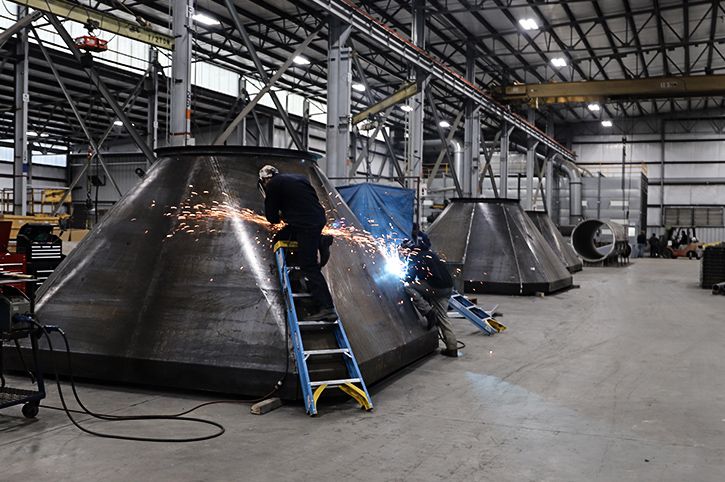
Minimizing waste is central to the next generation of metal manufacturing. Companies are implementing circular economy strategies, where materials are kept in use for as long as possible through reuse, remanufacturing, and recycling. This approach not only conserves resources but also reduces costs and environmental liabilities.
Some effective waste reduction practices include:
- Optimizing cutting and forming processes to minimize offcuts and scrap.
- Implementing end of life metal recycling strategies to recover valuable materials from obsolete products.
- Collaborating with suppliers to design products for easier disassembly and recycling.
- Adopting lean manufacturing principles to reduce overproduction and inventory waste.
For a deeper dive into best practices, manufacturers can explore waste reduction strategies for metal production that have been proven effective across the industry.
Energy Efficiency and Renewable Power Adoption
Reducing energy consumption is a top priority for sustainable metal producers. Energy-intensive processes like smelting and rolling are being optimized through better insulation, heat recovery, and process control. Increasingly, facilities are also sourcing electricity from renewable sources such as wind, solar, and hydro.
Key trends in this area include:
- Investing in on-site renewable energy generation to power operations.
- Participating in energy efficiency programs and audits to identify improvement opportunities.
- Utilizing advanced monitoring systems to track and manage energy use in real time.
These efforts not only reduce greenhouse gas emissions but also help companies manage energy costs and hedge against future price volatility.
Certifications and Standards for Sustainable Operations
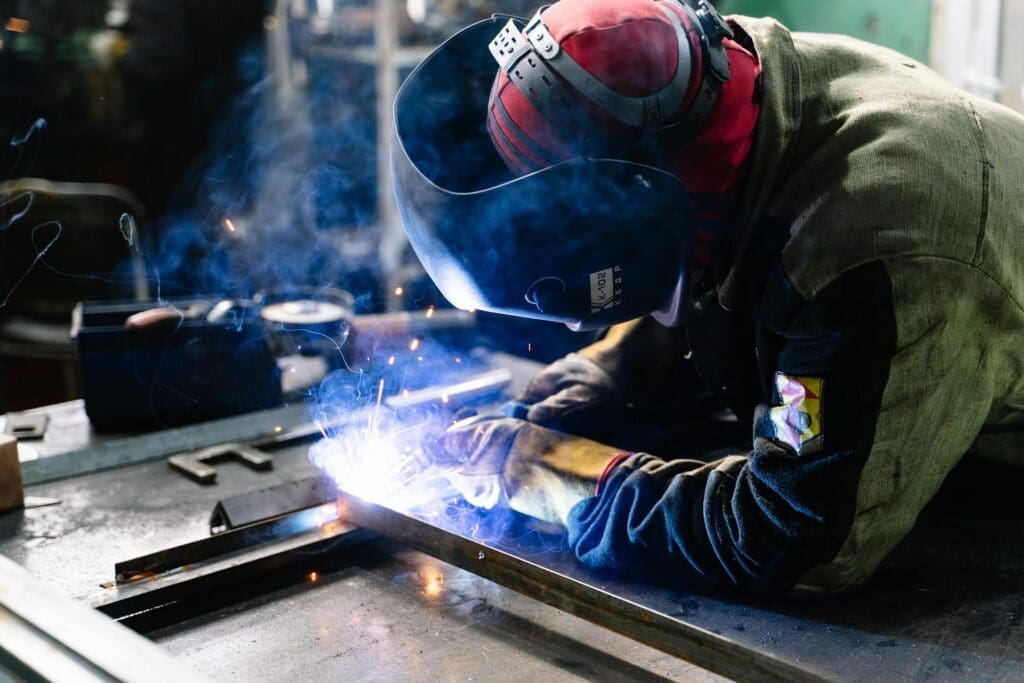
Adhering to recognized environmental standards is becoming a baseline expectation for metal manufacturers. Certifications such as ISO 14001 in metal manufacturing provide a framework for continuous improvement in environmental performance. These standards help organizations set measurable goals, monitor progress, and demonstrate their commitment to sustainability to customers and regulators alike.
Other important certifications and frameworks include:
- ResponsibleSteel™ for sustainable steel production
- Energy Management Systems (ISO 50001)
- Environmental Product Declarations (EPDs) for transparency on product impacts
By pursuing these certifications, companies can benchmark their progress and build trust with stakeholders.
Resource Recovery and Material Innovation
Recovering valuable metals from industrial byproducts and waste streams is a growing focus area. Techniques such as hydrometallurgy, pyrometallurgy, and bioleaching are being refined to extract metals from slag, dust, and other residues. This not only reduces landfill use but also creates new revenue streams from what was once considered waste.
Material innovation is also playing a role. Lightweight alloys, high-strength steels, and corrosion-resistant coatings are enabling manufacturers to produce more durable products with less material. These advancements support both sustainability and performance goals.
For more on this topic, see metal recovery from industrial waste and how efficient methods are reshaping the industry.
Challenges and Opportunities Ahead
While the movement toward sustainable metal production is gaining momentum, several challenges remain. High upfront costs for new technologies, complex supply chains, and the need for skilled labor can slow adoption. However, the long-term benefits—reduced environmental impact, lower operating costs, and improved market positioning—make the investment worthwhile.
Opportunities abound for companies that embrace change. By collaborating with suppliers, investing in R&D, and engaging with industry initiatives, manufacturers can accelerate their transition and capture value from emerging trends.
Frequently Asked Questions
What are the main benefits of adopting sustainable practices in metal manufacturing?
Key benefits include reduced environmental impact, compliance with regulations, improved brand reputation, cost savings from energy and material efficiency, and access to new markets that prioritize sustainability.
How can manufacturers reduce waste in their operations?
Manufacturers can minimize waste by optimizing production processes, implementing recycling and recovery systems, designing products for easier disassembly, and collaborating with suppliers for better material sourcing.
What role does renewable energy play in the metal industry’s sustainability efforts?
Renewable energy helps reduce the carbon footprint of energy-intensive processes. By integrating wind, solar, or hydro power, metal producers can decrease greenhouse gas emissions and stabilize energy costs over time.