
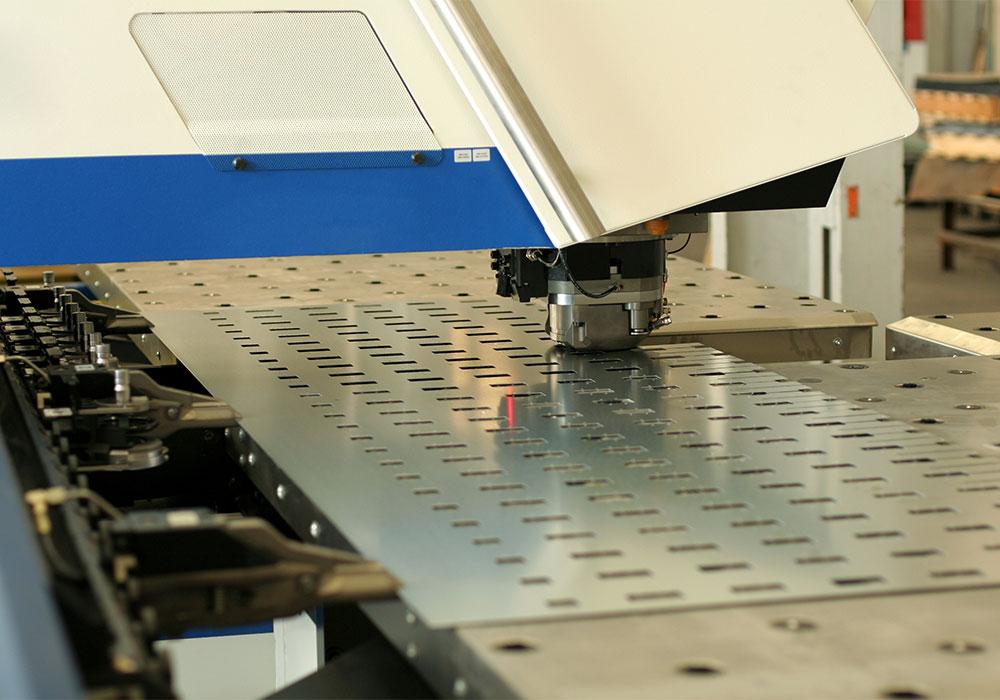
Steel stamping is a cornerstone process in modern manufacturing, producing everything from automotive components to intricate electronic housings. Achieving high accuracy and repeatability in stamped parts is essential, especially as industries demand tighter tolerances and more complex geometries. One of the most influential factors in this process is press rigidity. Understanding the impact of press rigidity on stamping precision can help engineers, operators, and decision-makers optimize their operations, reduce defects, and extend tool life.
In this article, we’ll explore how the stiffness of a stamping press affects the quality of steel parts, the mechanisms behind these effects, and practical steps to maximize precision. For those interested in related process optimizations, see our guide on how to optimize scrap chute angles for steel stamping efficiency.
Why Press Rigidity Matters in Steel Stamping
At its core, press rigidity refers to the structural stiffness of the stamping machine. A rigid press resists deflection and deformation when subjected to the immense forces required to shape steel. When a press lacks sufficient rigidity, several problems can arise:
- Dimensional inaccuracies: Deflection in the press frame or slide can cause uneven force distribution, leading to parts that are out of tolerance.
- Tool wear and damage: Misalignment caused by flexing can accelerate die wear and even result in catastrophic tool failure.
- Poor surface finish: Inconsistent pressure can create burrs, scratches, or other surface defects.
- Reduced repeatability: Variations from one stroke to the next make it difficult to maintain consistent quality in high-volume production.
These issues highlight why the impact of press rigidity on stamping precision is so significant. Even small amounts of flex can translate into measurable defects, especially as part requirements become more demanding.
How Rigidity Influences Stamping Accuracy
The relationship between press stiffness and part quality is rooted in basic mechanical principles. When a press is loaded, any flexibility in the frame, bed, or slide allows the tooling to shift slightly. This movement can cause:
- Die misalignment during the stamping stroke, resulting in off-center or distorted features.
- Variable material flow as force is not applied evenly across the workpiece.
- Springback inconsistencies due to uneven forming pressure, impacting final part shape.
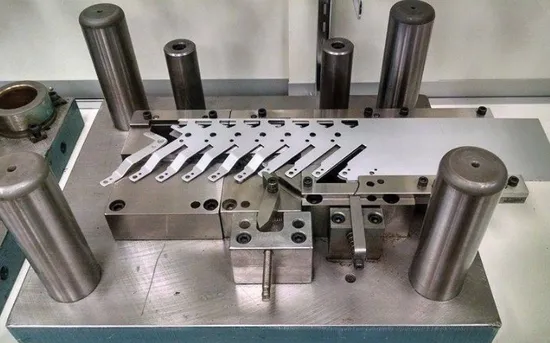
For example, in progressive die operations, even a fraction of a millimeter of press deflection can lead to cumulative errors across multiple stations. This is particularly problematic in applications requiring high positional accuracy, such as electronic connectors or precision brackets.
To further understand the material side of precision, consider reading about steel stamping material yield strength considerations, which also play a vital role in achieving desired outcomes.
Key Factors Affecting Press Rigidity
Several design and operational aspects determine how rigid a stamping press will be in practice:
- Frame construction: C-frame presses are generally less rigid than H-frame or straight-side presses, making the latter preferable for high-precision work.
- Bed and slide thickness: Thicker, more robust components resist bending and twisting under load.
- Guide system quality: Precision-machined and well-maintained guides ensure the slide moves accurately without lateral play.
- Press size and tonnage: Oversized presses may flex more under light loads, while undersized presses can be overstressed, both reducing accuracy.
- Foundation and installation: A poorly leveled or inadequately supported press can introduce unwanted movement.
Attention to these factors during equipment selection and maintenance is crucial for minimizing the impact of press rigidity on stamping precision.
Detecting and Measuring Rigidity-Related Issues
Identifying problems stemming from insufficient press stiffness requires a combination of observation and measurement. Common signs include:
- Consistent dimensional errors in specific directions or features
- Visible die marks or uneven wear patterns
- Changes in part quality as production speed increases
- Frequent need for die adjustments or shimming
Advanced techniques, such as laser alignment tools or strain gauges, can quantify press deflection during operation. Regular monitoring helps catch emerging issues before they result in significant scrap or downtime.
For those working with coated materials, it’s also important to follow best practices for stamping coated steels to prevent surface damage that can be exacerbated by press movement.
Strategies to Enhance Stamping Precision Through Improved Rigidity
Manufacturers seeking to boost part accuracy should consider the following approaches:
- Choose the right press type: For applications demanding high precision, opt for straight-side or H-frame presses with robust construction.
- Regular maintenance: Keep all moving parts, guides, and fasteners in top condition to prevent unwanted play or movement.
- Monitor press loading: Use the press within its optimal load range to avoid excessive flexing or underutilization.
- Upgrade foundations: Ensure the press is installed on a solid, level base to minimize vibrations and shifting.
- Utilize precision tooling: High-quality dies and alignment systems help compensate for minor press movements.
Incorporating these steps can dramatically reduce the negative effects of insufficient rigidity, leading to better part quality and longer tool life.
For additional insights on material characteristics, see our article on the importance of material grain size in steel stamping quality.
Safety and Quality Considerations
Beyond part accuracy, press rigidity also plays a role in workplace safety. A flexing press can create unpredictable die movements, increasing the risk of accidents or tool breakage. Adhering to industry safety standards and regular inspection routines is essential. For more information on this topic, refer to safety in the metal stamping industry for best practices and guidelines.
Maintaining a focus on both safety and precision ensures a productive and sustainable stamping operation.
Frequently Asked Questions
How does press rigidity affect tool life in steel stamping?
Insufficient press rigidity causes misalignment and uneven force distribution, which can accelerate die wear and lead to premature tool failure. A more rigid press helps maintain proper alignment, extending the lifespan of expensive tooling.
What are the signs that a press is not rigid enough for precision work?
Common indicators include inconsistent part dimensions, visible die marks, increased scrap rates, and frequent adjustments to the tooling. Monitoring these signs can help identify when a press upgrade or maintenance is needed.
Can press rigidity be improved without replacing the entire machine?
Yes, improvements can be made by reinforcing the press frame, upgrading the foundation, maintaining guides and slides, and using precision alignment tools. However, for extremely tight tolerances, investing in a more rigid press may be necessary.
Conclusion
The impact of press rigidity on stamping precision is a critical consideration for any manufacturer aiming for high-quality steel parts. By understanding the mechanics of press stiffness, monitoring for signs of deflection, and implementing targeted improvements, it’s possible to achieve greater accuracy, reduce costs, and enhance overall productivity. For further optimization, explore strategies such as how to optimize part ejection in stamping to streamline your production cycle.