
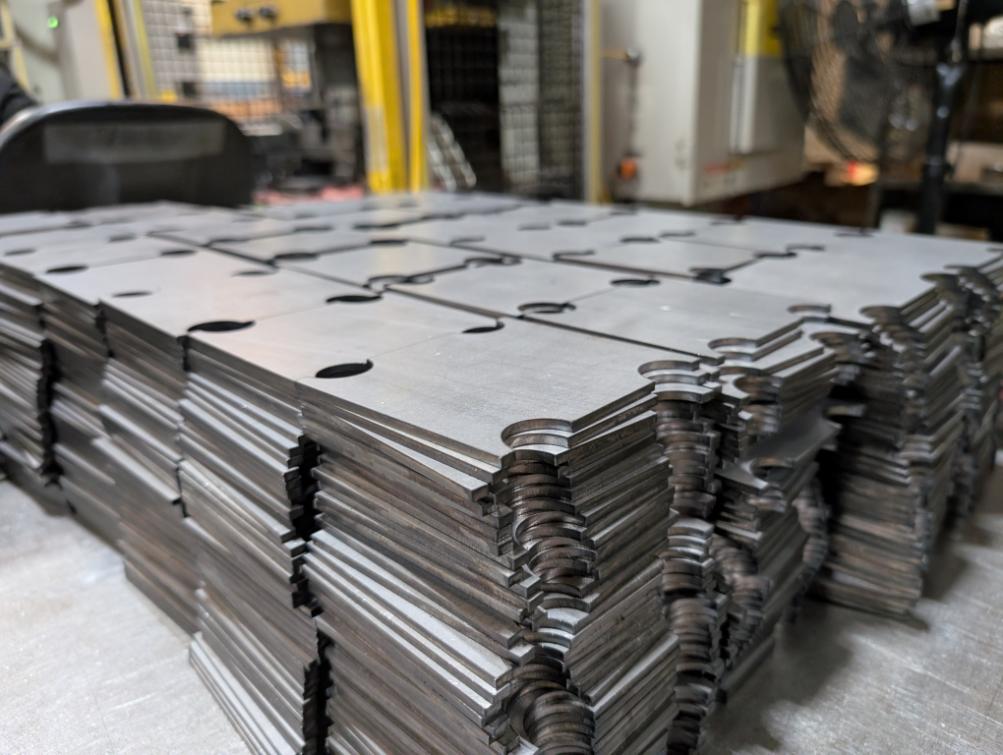
Choosing the right die sets is a critical step for any metalworking professional aiming for precision, efficiency, and cost-effectiveness in steel stamping projects. The selection process involves evaluating material properties, part complexity, production volume, and compatibility with your stamping press. Understanding how to select die sets for steel stamping can significantly impact product quality, tool longevity, and operational costs.
This article provides a comprehensive guide to identifying the most suitable die sets for your application. We’ll discuss key factors, common die types, and practical tips to help you make informed decisions for your stamping operations. For those interested in optimizing related aspects of their process, you may also find value in learning about how to optimize scrap chute angles in steel stamping cycles.
Understanding Die Sets in Steel Stamping
Die sets are the backbone of the stamping process, providing the structure and alignment necessary for precise part formation. A typical die set consists of an upper and lower die shoe, guide pins, bushings, and the die components themselves (such as punches and dies). The right selection ensures proper alignment, repeatability, and safety throughout production.
When considering how to select die sets for steel stamping, it’s important to match the die set’s capabilities with the specific requirements of your project. Factors such as the type of steel, thickness, and the complexity of the part geometry all play a role in determining the best die set configuration.
Key Factors in Choosing the Right Die Set
Several critical factors influence the selection of die sets for professional stamping applications. Paying attention to these elements will help you achieve optimal results:
- Material Type and Thickness: The hardness and thickness of the steel being stamped dictate the die material and construction. Harder steels may require tool steels or carbide inserts for extended wear life.
- Part Complexity: Simple shapes may only need single-station dies, while intricate parts benefit from progressive or compound die sets.
- Production Volume: High-volume runs justify investment in robust, long-life die sets, whereas low-volume jobs may allow for more economical options.
- Press Compatibility: Ensure the die set dimensions and mounting configurations match your stamping press for safe and efficient operation.
- Tolerances and Finish: Tight tolerances and high-quality surface finishes may require precision-ground die sets and specialized coatings.
For a deeper understanding of how material properties affect die selection, consider reviewing steel stamping material yield strength considerations.

Types of Die Sets Used in Steel Stamping
Understanding the different types of die sets is essential for matching your tooling to your production needs. Here are the most common die set categories:
- Single-Station Dies: Used for simple operations such as blanking, piercing, or forming. These are ideal for low to medium production volumes.
- Compound Dies: Allow multiple operations (e.g., blanking and piercing) in a single press stroke. They are efficient for parts requiring several features.
- Progressive Dies: Enable multiple sequential operations as the strip advances through the die. These are suited for high-volume, complex parts with tight tolerances.
- Transfer Dies: Used for large or complex parts that require movement between multiple stations, often with robotic transfer systems.
Each die set type has unique advantages and limitations. The choice depends on your production goals, part design, and available equipment.
Best Practices for Selecting Die Sets
To maximize the value of your die set investment and ensure consistent results, follow these best practices:
- Collaborate with Toolmakers: Engage experienced die designers early in the process to optimize die set selection based on your part drawings and specifications.
- Consider Coatings and Treatments: Surface treatments such as nitriding, PVD coatings, or chrome plating can extend die life, especially when working with abrasive or coated steels. For more on this, see best practices for stamping coated steels.
- Plan for Maintenance: Choose die sets that allow for easy maintenance and replacement of wear components to minimize downtime.
- Verify Alignment and Fit: Ensure that guide pins, bushings, and die shoes are precisely matched to avoid misalignment and premature wear.
- Assess Ejection and Scrap Removal: Efficient part ejection and scrap handling are crucial for high-speed operations. Learn more about optimizing these aspects in how to optimize part ejection in stamping.
Material and Grain Considerations
The properties of the steel being stamped, including grain size and yield strength, have a direct impact on die set selection. Finer grain materials may allow for sharper features and tighter tolerances, while coarse grains can increase tool wear. For a detailed discussion on this topic, refer to steel stamping material grain size importance.
Additionally, always match the die set material to the demands of the job. Tool steels such as D2 or A2 are common choices for high-volume production, while carbide inserts are used for extreme wear resistance.
Cost, Quality, and Lead Time
Balancing cost, quality, and lead time is essential when selecting die sets:
- Cost: Higher-quality die sets may have a larger upfront investment but offer lower long-term costs due to reduced downtime and maintenance.
- Quality: Precision-ground components and tight tolerances contribute to consistent part quality and reduced scrap rates.
- Lead Time: Custom die sets may require several weeks to manufacture. Plan your tooling needs in advance to avoid production delays.
For additional insights on die set selection and maintenance, consider reviewing this comprehensive guide to die set maintenance and selection.
Frequently Asked Questions
What is the most important factor when choosing a die set for steel stamping?
The most critical factor is matching the die set to the material type and thickness you’ll be working with. This ensures durability, accuracy, and optimal performance throughout the production run.
How do I know if I need a progressive die set?
Progressive die sets are ideal for high-volume production of complex parts that require multiple operations in sequence. If your part design involves several features and you need to maximize efficiency, a progressive die may be the best choice.
Can I use the same die set for different steel grades?
While some die sets can handle a range of steel grades, it’s important to verify compatibility with your toolmaker. Harder or coated steels may require specialized die materials or coatings to prevent premature wear.
Conclusion
Making the right choice when it comes to die sets is essential for achieving high-quality results in steel stamping. By considering material properties, part complexity, production volume, and equipment compatibility, you can select tooling that delivers precision, durability, and cost-effectiveness. Always consult with experienced toolmakers and stay informed about the latest advancements in die set technology to keep your stamping operations competitive and efficient.