
High-speed steel stamping is a cornerstone of modern manufacturing, enabling rapid production of precise metal components. However, as press speeds increase, so does the challenge of controlling heat buildup within dies, tooling, and workpieces. Excessive temperatures can lead to premature tool wear, dimensional inaccuracies, and even safety hazards. Understanding how to manage heat buildup in high speed stamping is essential for maintaining productivity, part quality, and equipment longevity.
This article explores practical strategies, process adjustments, and best practices for controlling temperature in high-speed stamping operations. Whether you’re optimizing an existing line or launching a new project, the following guidance will help you identify root causes and implement effective solutions.

For those seeking to further optimize their stamping process, consider reviewing how to optimize scrap chute angles to improve scrap removal and reduce secondary heat sources.
Understanding the Causes of Excessive Heat in Fast Stamping Operations
Heat generation in steel stamping is primarily a result of friction between the die, workpiece, and blankholder surfaces. As press speeds increase, the rate of energy transfer rises, causing more rapid temperature escalation. Key contributors include:
- Friction at the die/strip interface, especially with harder or thicker materials
- Insufficient lubrication or improper lubricant selection
- Inadequate die clearance or worn tooling
- High contact pressures from aggressive forming or blanking
- Continuous operation with minimal downtime for cooling
Recognizing these factors is the first step toward effective heat management in high-speed environments.
Best Practices for Reducing Thermal Stress in Steel Stamping
To address the challenge of how to manage heat buildup in high speed stamping, manufacturers can adopt a combination of process, equipment, and material strategies:
Optimize Lubrication Systems
Proper lubrication is one of the most effective ways to reduce friction and dissipate heat. Consider the following:
- Use high-performance, temperature-resistant lubricants formulated for stamping
- Apply lubricant consistently and in sufficient quantity to all contact surfaces
- Monitor lubricant delivery systems for blockages or uneven distribution
- Evaluate the use of micro-lubrication or mist systems for minimal residue
Consistent lubrication not only controls temperature but also extends tool life and improves part finish.
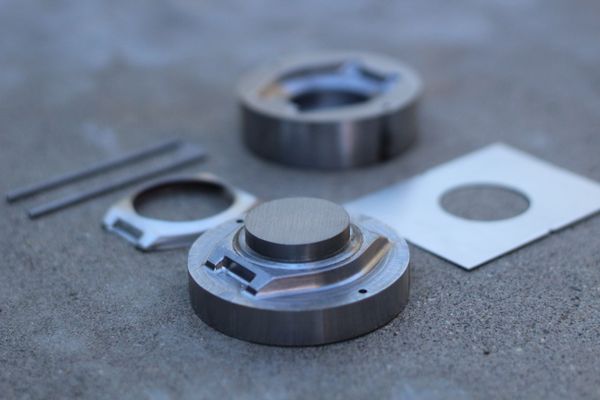
Tooling Design and Maintenance for Thermal Control
Die and tool design play a critical role in heat management. Consider these approaches:
- Increase die clearance where possible to reduce frictional heating
- Use tool steels with high thermal conductivity and resistance to softening
- Integrate cooling channels or inserts in dies for direct heat removal
- Schedule regular maintenance to address wear, galling, and misalignment
Proactive maintenance and thoughtful design can minimize hotspots and prevent unexpected downtime.
Adjusting Process Parameters to Control Temperature
Fine-tuning press settings can have a significant impact on heat levels:
- Reduce stroke rate or add dwell time between cycles to allow cooling
- Implement staged or progressive stamping to distribute forming loads
- Monitor and adjust blankholder force to minimize unnecessary friction
- Use sensors to track die temperature and trigger alarms or shutdowns if limits are exceeded
Balancing speed and quality is essential for sustainable, high-volume production.
Material Selection and Its Impact on Heat Generation
The choice of material directly affects how much heat is produced and retained during stamping. Harder alloys, thicker gauges, and certain coatings can increase friction and thermal load. To mitigate these effects:
- Select materials with lower coefficients of friction when possible
- Consider pre-lubricated or coated strip to reduce direct metal-to-metal contact
- Review steel stamping material yield strength considerations to ensure compatibility with high-speed operations
Material suppliers can often recommend specific grades or surface treatments optimized for high-speed stamping applications.

Monitoring and Measuring Heat in Stamping Lines
Effective heat management relies on accurate monitoring. Modern stamping operations often employ:
- Infrared thermometers or thermal cameras to detect hotspots on dies and parts
- Embedded sensors within tooling for real-time temperature feedback
- Data logging systems to track trends and identify problem areas
Regular analysis of this data can inform maintenance schedules, lubrication adjustments, and process improvements.
Safety and Quality Implications of Uncontrolled Heat
Allowing temperatures to rise unchecked can have serious consequences:
- Accelerated tool wear and increased risk of die failure
- Dimensional instability and warping of stamped parts
- Surface defects such as galling, scoring, or discoloration
- Potential for operator injury from hot surfaces or unexpected equipment failure
Implementing robust heat control measures is not only a matter of efficiency but also of workplace safety and product integrity. For additional safety insights, review these safe practices for precision metal stamping.
Integrating Heat Management into Your Stamping Workflow
Successful control of thermal buildup requires a holistic approach. Consider the following workflow enhancements:
- Incorporate heat management checks into standard operating procedures
- Train operators to recognize signs of excessive temperature and respond appropriately
- Collaborate with tooling suppliers to design dies with built-in cooling or heat-resistant features
- Regularly review process data to identify new trends or emerging risks
By making thermal control a core part of your stamping process, you can achieve higher throughput, lower costs, and improved part quality.
Related Topics for Further Optimization
- Best practices for stamping coated steels to minimize surface damage and heat generation
- Importance of material grain size in steel stamping quality for understanding how microstructure affects heat and wear
- How to optimize part ejection in stamping to reduce cycle time and secondary heat sources
Frequently Asked Questions
What are the main risks of excessive heat in high-speed stamping?
Excessive heat can cause rapid tool wear, dimensional inaccuracies in stamped parts, and increased risk of die failure. It may also lead to surface defects and create safety hazards for operators due to hot surfaces or unexpected equipment malfunctions.
How can lubrication help control temperature in stamping operations?
Lubrication reduces friction between the die and workpiece, which is a primary source of heat. Using the right lubricant and ensuring consistent application can significantly lower operating temperatures, extend tool life, and improve part quality.
Are there specific materials better suited for high-speed stamping?
Materials with lower friction coefficients and good thermal conductivity are generally better for high-speed stamping. Some pre-coated or pre-lubricated steels are designed to minimize heat buildup. Always consult with your material supplier for recommendations tailored to your application.