
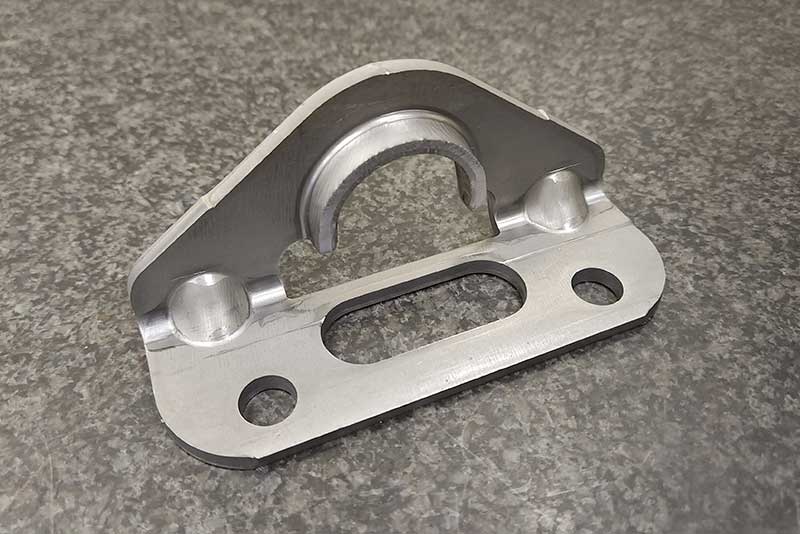
Working with thin gauge steel in stamping operations requires a distinct set of skills and technical considerations. The reduced thickness of these materials makes them more prone to distortion, wrinkling, and edge damage, which can compromise part quality and production efficiency. Understanding how to handle thin gauge steel stamping effectively is essential for manufacturers aiming to achieve high-precision results and minimize waste.
This guide explores proven methods, tooling advice, and process controls that help ensure success when dealing with delicate steel sheets. Whether you are optimizing an existing line or launching a new project, the following tips will help you avoid common pitfalls and deliver consistent, high-quality stamped components.
For those interested in advanced edge control and improving cut quality, see our detailed resource on steel stamping edge quality optimization. This internal guide covers technical adjustments that can further enhance your results with thin materials.
Understanding the Challenges of Thin Gauge Steel
Thin gauge steel, typically defined as sheet metal under 0.030 inches (0.76 mm) thick, presents unique challenges in the stamping process. The reduced thickness means less material to absorb forming forces, making the metal more susceptible to:
- Distortion and warping during forming or cutting
- Edge burrs and micro-cracks
- Wrinkling or buckling, especially in deep draw operations
- Tool wear and misalignment due to insufficient support
Addressing these issues requires a combination of precise tooling, process control, and operator expertise.
Tooling Strategies for Thin Steel Stamping
Choosing the right tooling is critical when working with thin gauge materials. Here are some specialized tips to optimize your stamping tools:
- Use sharp, well-maintained dies and punches to minimize burrs and tearing. Dull tooling increases the risk of edge defects.
- Consider tighter die clearances—typically 5-10% of material thickness—to ensure clean shearing and reduce distortion.
- Employ high-precision die sets with minimal play to maintain alignment and prevent uneven pressure on the sheet.
- Apply hard coatings or surface treatments to reduce friction and extend tool life, especially for high-volume runs.
For more on preventing coating damage during stamping, review our article on best practices for stamping coated steels.
Process Controls for Consistent Results
Maintaining tight process control is essential for producing quality parts from thin gauge steel. Consider these best practices:
- Monitor press shut height and adjust as needed to ensure uniform pressure across the die. Inconsistent shut height can cause uneven forming and part defects.
- Control feed rates to prevent material stretching or misalignment. Automated feeders with fine adjustment capabilities are ideal for thin sheets.
- Use appropriate lubricants to reduce friction and prevent galling, but avoid over-application, which can cause slippage or contamination.
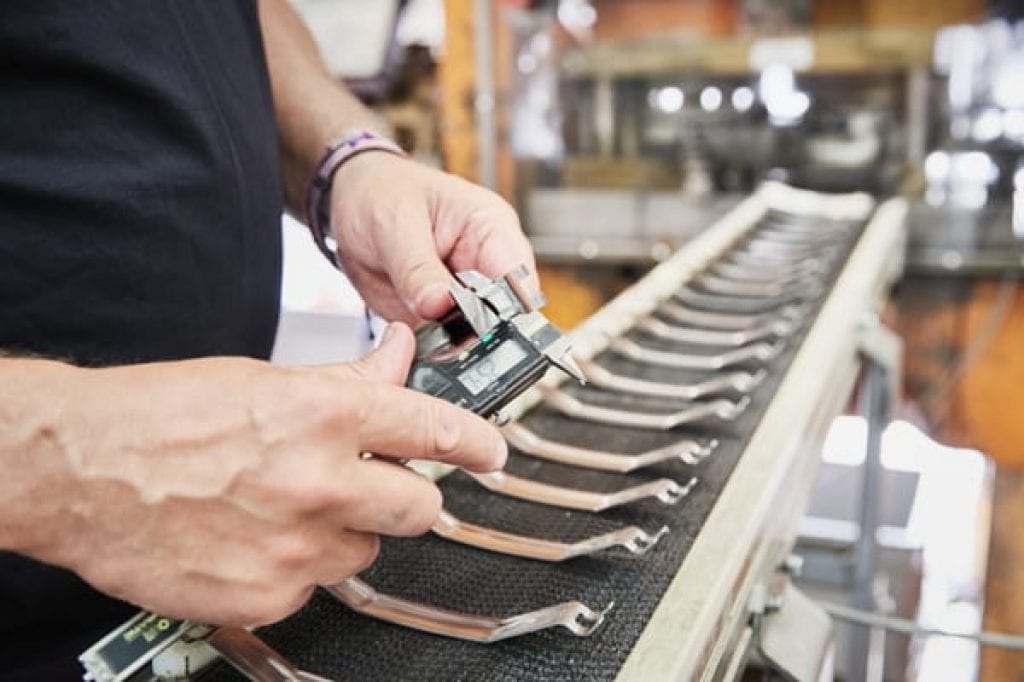
- Implement regular inspection routines, including visual checks and dimensional measurements, to catch issues early.
Operators should be trained on the nuances of handling thin materials. For guidance on workforce preparation, see our resource on how to train operators for steel stamping safety.
Material Handling and Storage Tips
Proper material handling is vital to prevent damage before the stamping process even begins. Thin gauge steel is more vulnerable to dents, scratches, and contamination. To minimize these risks:
- Store sheets on flat, clean surfaces and avoid stacking too high to prevent bending or creasing.
- Use gloves or automated handling equipment to reduce the risk of surface contamination and fingerprints.
- Inspect incoming material for defects or inconsistencies in thickness, as these can affect stamping quality.
Consistent material quality and careful handling set the stage for successful stamping operations.
Quality Assurance and Inspection Techniques
Quality assurance is especially important when stamping thin steel, as minor defects can have a significant impact on finished parts. Effective inspection methods include:
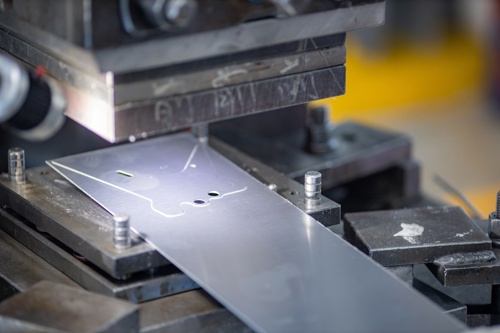
- Using optical comparators or laser measurement systems to verify part dimensions and edge quality
- Performing regular burr and surface finish checks
- Implementing statistical process control (SPC) to monitor trends and catch deviations early
When secondary operations are required, such as forming or assembly, review our guide on steel stamping secondary operation considerations for tips on maintaining quality throughout the production chain.
Safety Considerations in Thin Gauge Stamping
Safety is paramount in any stamping operation, but thin materials can introduce additional hazards. Edges are often sharper, and lightweight sheets may shift unexpectedly. To promote a safe work environment:
- Ensure all operators are trained in safe handling and machine operation
- Use appropriate personal protective equipment (PPE), including cut-resistant gloves and eye protection
- Maintain clear workspaces to prevent slips and material drops
- Follow established safety protocols for die changes and press adjustments
For a comprehensive overview of safety in metal forming, refer to this guide to sheet metal forming die operations safety.
Optimizing Press Settings for Thin Material
Press settings play a crucial role in achieving optimal results with thin gauge steel. Key adjustments include:
- Fine-tuning ram speed to balance productivity with part quality
- Adjusting blank holder force to prevent wrinkling without causing tearing
- Setting precise shut height, as even minor deviations can affect thin sheets
For more on press optimization, see our article on steel stamping shut height adjustment tips.
Frequently Asked Questions
What is the ideal die clearance for thin gauge steel?
For thin gauge steel, die clearance should typically be set at 5-10% of the material thickness. This helps achieve clean shearing and minimizes burrs or edge cracking. Adjustments may be necessary based on the specific alloy and part geometry.
How can I prevent wrinkling during stamping?
To avoid wrinkling, ensure proper blank holder force, use well-aligned tooling, and control material feed rates. Lubrication and precise press settings also help maintain flatness during forming operations.
What are the most common defects in thin gauge steel stamping?
The most frequent issues include edge burrs, warping, wrinkling, and surface scratches. These can be minimized by using sharp tooling, maintaining tight process controls, and handling materials carefully throughout the workflow.
Mastering the techniques outlined above will help you achieve consistent, high-quality results when working with thin gauge steel in stamping applications. By focusing on tooling, process control, material handling, and safety, manufacturers can meet demanding specifications and reduce costly rework or scrap.