
Properly managing coil stock is essential for any metal stamping operation. Whether you’re working in a high-volume manufacturing facility or a smaller fabrication shop, understanding the best practices for handling coil material can make a significant difference in both safety and productivity. This guide explores practical methods, safety protocols, and efficiency tips for working with coil stock in stamping environments.
From the moment coil stock arrives at your facility to the final stamped product, every step requires attention to detail. Mishandling can lead to equipment damage, material waste, or even serious injuries. By focusing on proven strategies and integrating the latest industry recommendations, you can minimize risks and maximize output.
For those looking to further improve their stamping processes, it’s also valuable to consider factors like steel stamping material yield strength considerations and best practices for stamping coated steels. These related topics can help you achieve optimal results and avoid common pitfalls.
Essential Safety Precautions When Working With Coil Stock
Handling coil stock in stamping operations presents unique hazards. The sheer weight and tension stored in coiled metal demand strict adherence to safety protocols. Here are the most important safety measures to follow:
- Personal Protective Equipment (PPE): Always wear gloves, safety glasses, steel-toed boots, and protective clothing. Coil edges are often sharp and can cause severe cuts.
- Proper Lifting Techniques: Use mechanical aids such as cranes, coil lifters, or forklifts. Never attempt to lift heavy coils manually. Ensure all lifting equipment is rated for the coil’s weight.
- Secure Storage: Store coils on flat, stable surfaces. Use chocks or coil racks to prevent rolling. Keep aisles clear to avoid tripping hazards.
- Training and Supervision: Only trained personnel should handle coil stock. Supervisors should regularly review safety procedures and enforce compliance.
- Lockout/Tagout Procedures: Before performing maintenance or clearing jams, ensure all machinery is properly locked out to prevent accidental startup.
By prioritizing these safety steps, you can significantly reduce the risk of workplace injuries and maintain a safer environment for everyone involved.
Efficient Methods for Loading and Uncoiling Coil Stock
Efficiency in coil handling starts with the right loading and uncoiling techniques. Here’s how to streamline the process while maintaining safety:
- Use Powered Uncoilers: Powered uncoilers control the release of coil stock, preventing sudden unwinding and minimizing the risk of coil springback.
- Align Coil Properly: Ensure the coil is centered and aligned with the feeder and press. Misalignment can cause feeding issues and material jams.
- Check for Damage: Inspect coils for dents, rust, or other defects before loading. Damaged material can compromise both safety and part quality.
- Adjust Tension Settings: Set uncoiler tension to match the material type and thickness. Too much tension can stretch or deform the stock; too little can lead to slack and feeding errors.
- Monitor Payoff Direction: Always unwind the coil in the manufacturer-recommended direction to avoid twisting or kinking the material.
For more in-depth guidance on optimizing related processes, consider reviewing resources on how to optimize scrap chute angles in steel stamping.
Best Practices for Feeding Coil Stock Into Stamping Presses
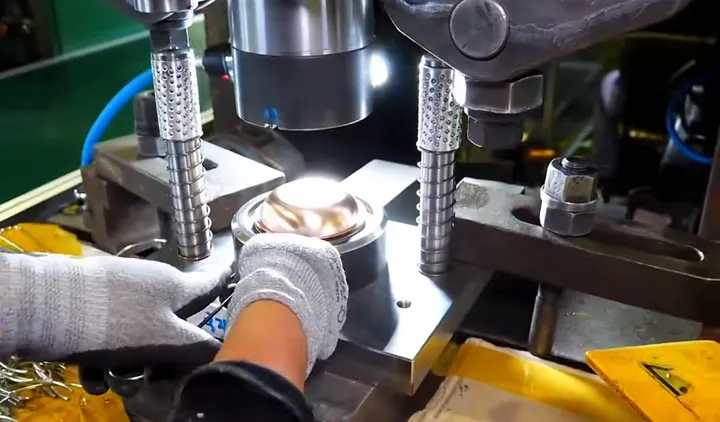
Feeding coil material into stamping presses requires precision and consistency. Here are some best practices to ensure smooth operation:
- Use Straighteners and Feeders: Integrate straightening equipment to remove coil set and ensure flatness. Automated feeders can maintain consistent feed rates and reduce manual intervention.
- Regular Maintenance: Keep all feeding equipment clean and well-lubricated. Worn rollers or guides can cause misfeeds and material damage.
- Monitor Material Flow: Watch for signs of binding, buckling, or excessive drag. Address issues promptly to avoid downtime and scrap.
- Adjust Feed Lengths: Set feed lengths according to die requirements. Incorrect settings can result in incomplete or defective parts.
- Implement Sensors: Use sensors to detect end-of-coil, jams, or misfeeds. Automated shutoffs can prevent accidents and protect tooling.
Consistent feeding not only improves part quality but also extends the life of your dies and presses. For additional insights on material properties, see steel stamping material grain size importance.

Common Mistakes to Avoid When Handling Coil Stock
Even experienced operators can fall into bad habits that compromise both safety and efficiency. Here are some frequent mistakes and how to avoid them:
- Skipping Inspections: Failing to check coil condition before use can introduce defects into your process.
- Improper Storage: Stacking coils too high or on uneven surfaces increases the risk of tipping or rolling.
- Manual Handling: Attempting to move heavy coils without mechanical assistance can lead to serious injuries.
- Neglecting Training: Allowing untrained staff to handle coil stock raises the likelihood of accidents and material waste.
- Ignoring Equipment Limits: Overloading uncoilers or feeders can cause breakdowns and costly repairs.
By staying vigilant and following established protocols, you can avoid these pitfalls and maintain a safer, more productive workspace.
Advanced Tips for Maximizing Efficiency in Coil Stock Handling
To further boost efficiency in your stamping operation, consider these advanced strategies:
- Automate Where Possible: Invest in automated coil handling and feeding systems to reduce manual labor and increase throughput.
- Optimize Layout: Arrange coil storage, uncoiling, and feeding stations to minimize material movement and handling time.
- Standardize Procedures: Develop standardized work instructions for coil handling tasks. Consistency reduces errors and training time.
- Track Material Usage: Use inventory management systems to monitor coil consumption and reduce waste.
- Continuous Improvement: Regularly review processes and solicit feedback from operators to identify areas for improvement.
For a deeper dive into process optimization, you may find this comprehensive guide to die and coil handling best practices helpful.
FAQ: Coil Stock Handling in Stamping Operations
What are the key safety risks when working with coil stock?
The main risks include cuts from sharp edges, injuries from coil springback, and accidents caused by improper lifting or storage. Always use appropriate PPE and mechanical aids to minimize these hazards.
How can I prevent coil stock from uncoiling uncontrollably?
Use powered uncoilers with tension controls and secure the coil ends before cutting bands. Never stand in the direct path of a coil’s leading edge when removing restraints.
What should I do if I notice a defect in the coil material?
Stop the process and inspect the defect. Remove damaged sections if possible, and report the issue to your supervisor. Using defective material can cause equipment damage and compromise part quality.
Is it necessary to use straighteners for all coil stock?
While not always mandatory, straighteners are highly recommended for most stamping operations. They help ensure consistent material flatness and reduce feeding issues.
How often should coil handling equipment be inspected?
Inspect equipment before each use and perform regular preventive maintenance according to the manufacturer’s guidelines. Early detection of wear or damage can prevent costly downtime.
By following these guidelines and continually refining your approach, you can ensure that your coil stock handling processes are both safe and highly efficient. For more tips on improving your stamping workflow, explore resources on how to optimize part ejection in stamping.