
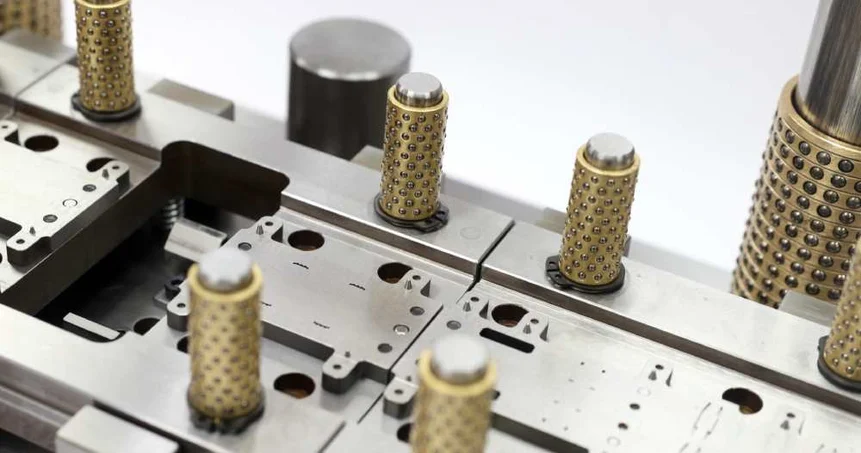
Proper care and regular inspection of stamping presses are essential for maintaining production efficiency, minimizing downtime, and extending equipment lifespan. For manufacturers and metalworking professionals, understanding how to conduct stamping press preventative maintenance can make the difference between smooth operations and costly breakdowns. This guide offers a comprehensive overview of best practices, actionable checklists, and expert tips to help you keep your stamping presses in optimal working condition.
Neglecting routine maintenance can lead to unexpected failures, compromised product quality, and increased safety risks. By implementing a structured maintenance program, you can reduce unplanned outages, improve tooling longevity, and ensure consistent part quality. If you’re also interested in improving other aspects of your stamping process, consider learning about how to optimize scrap chute angles for better material flow and waste reduction.
Why Preventative Maintenance Matters for Stamping Presses
A stamping press is a complex machine, often operating under high loads and tight tolerances. Routine preventative maintenance is essential for several reasons:
- Reduces unplanned downtime by identifying wear or damage before failure occurs.
- Improves part quality by ensuring consistent press performance and alignment.
- Extends equipment life by minimizing excessive wear on critical components.
- Enhances safety by catching potential hazards early.
- Controls costs by preventing expensive emergency repairs and lost production time.
A well-maintained press also supports other process improvements, such as best practices for stamping coated steels and optimizing material yield.
Key Steps in Stamping Press Maintenance Programs
Developing an effective maintenance plan involves a combination of daily, weekly, monthly, and annual tasks. Here’s how to approach each stage for maximum reliability and safety.
Daily Inspections and Lubrication
Operators should perform quick checks at the start and end of each shift. These daily routines help catch obvious issues before they escalate:
- Visually inspect the press for oil leaks, loose bolts, and unusual wear.
- Check the lubrication system and top up oil or grease as needed.
- Listen for abnormal noises during operation, such as grinding or knocking.
- Ensure all safety guards and emergency stops are functional.
- Clean the work area to prevent debris buildup.
Weekly and Monthly Preventative Tasks
Some maintenance activities require more time and a closer look at the press’s internal components. Weekly and monthly routines should include:
- Inspect and tighten all accessible fasteners and mounting hardware.
- Check clutch and brake operation for responsiveness and wear.
- Examine electrical connections and control panels for loose wires or signs of overheating.
- Test limit switches and sensors for proper function.
- Inspect die alignment and condition, especially if changing tooling frequently.
For more detailed information on die care, see this comprehensive guide to stamping die repair and maintenance.
Annual and Deep Maintenance Procedures
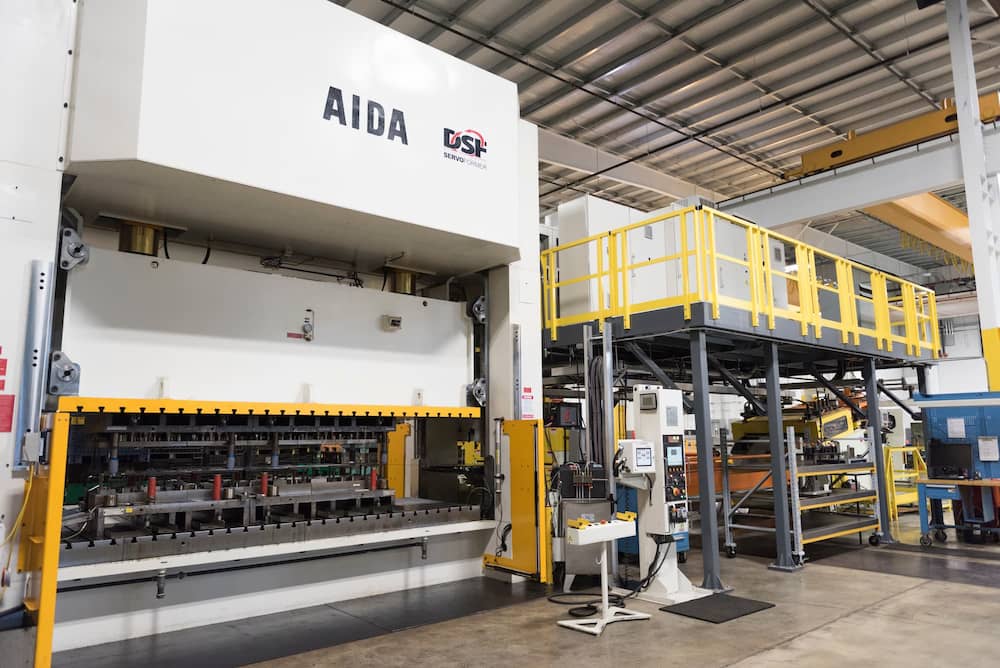
At least once a year, or during scheduled shutdowns, a more thorough inspection and overhaul should be performed. This process typically includes:
- Disassembling key components for cleaning and detailed inspection.
- Measuring slide and ram clearances to check for excessive play.
- Inspecting bushings, bearings, and gibs for wear or scoring.
- Replacing worn seals, hoses, and hydraulic lines.
- Calibrating press controls and verifying alignment.
- Reviewing and updating maintenance records for compliance.
Annual maintenance is also a good opportunity to review your press’s performance and consider upgrades or retrofits that could improve efficiency or safety.
Essential Tools and Supplies for Preventative Maintenance
Having the right tools and materials on hand is vital for effective maintenance. Some essentials include:
- Torque wrenches and standard hand tools for tightening and adjustments.
- Lubricants and greases recommended by the press manufacturer.
- Cleaning supplies, rags, and non-abrasive solvents.
- Dial indicators and feeler gauges for measuring clearances.
- Replacement parts such as seals, filters, and fasteners.
- Personal protective equipment (PPE) for safe work practices.
Stocking these items ensures that your team can address issues quickly and keep the press running smoothly.
Common Pitfalls and How to Avoid Them
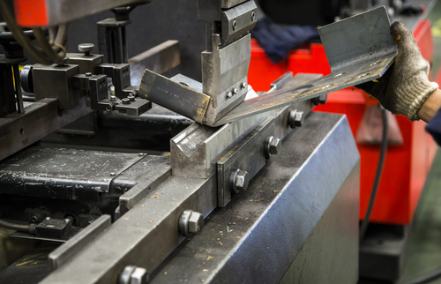
Even experienced teams can overlook key aspects of preventative maintenance. Here are some frequent mistakes and tips to prevent them:
- Skipping routine checks: Consistency is crucial. Set reminders and use checklists to ensure nothing is missed.
- Using incorrect lubricants: Always follow manufacturer recommendations to prevent premature wear.
- Ignoring small leaks or noises: Minor issues can quickly escalate. Address them promptly.
- Failing to document maintenance: Keep detailed records for compliance and to track recurring problems.
- Overlooking operator training: Ensure all staff are trained in both operation and basic maintenance procedures.
Avoiding these pitfalls helps maintain press reliability and supports quality improvements, such as those discussed in steel stamping material yield strength considerations.
Integrating Preventative Maintenance with Production Schedules
Balancing maintenance with production demands can be challenging. Here’s how to ensure routine care doesn’t disrupt output:
- Schedule maintenance during planned downtime or shift changes.
- Use predictive monitoring tools to anticipate issues before they cause stoppages.
- Coordinate with production managers to align maintenance with order cycles.
- Train multiple operators to perform basic checks, reducing reliance on a single technician.
Integrating maintenance into your workflow keeps presses running efficiently and minimizes impact on delivery schedules.
FAQs About Stamping Press Preventative Maintenance
What are the most important daily checks for a stamping press?
Daily checks should include visual inspection for leaks, checking lubrication levels, listening for unusual noises, and verifying that all safety devices are operational. These quick routines help catch early signs of trouble and keep the press running safely.
How often should deep maintenance be performed?
A thorough inspection and overhaul should be conducted at least once a year, or more frequently if the press operates in demanding conditions. This includes disassembly, detailed cleaning, measuring clearances, and replacing worn components.
What are the risks of neglecting preventative maintenance?
Neglecting routine care can lead to unexpected breakdowns, reduced part quality, safety hazards, and increased repair costs. Regular maintenance helps prevent these issues and extends the life of your equipment.
Conclusion
Implementing a structured approach to how to conduct stamping press preventative maintenance is essential for any metal stamping operation. By following daily, weekly, and annual routines, using the right tools, and avoiding common mistakes, you can ensure your presses deliver consistent performance and long-term value. For further insights into improving your stamping process, explore topics like steel stamping material grain size importance and how to optimize part ejection in stamping.