
Understanding how to conduct a steel stamping feasibility study is essential for manufacturers aiming to optimize production, minimize costs, and ensure product quality. A thorough assessment helps identify potential challenges, technical requirements, and cost implications before full-scale manufacturing begins. This guide walks through the critical steps, best practices, and key considerations to ensure your evaluation is both accurate and actionable.
For those working with coated steels or seeking to improve edge quality, reviewing resources like best practices for stamping coated steels and steel stamping edge quality optimization can provide valuable context and technical insights relevant to your feasibility process.
What Is a Steel Stamping Feasibility Study?
A feasibility study in the context of steel stamping is a systematic evaluation of whether a proposed stamping project can be manufactured efficiently, safely, and cost-effectively. This process examines technical, material, and operational factors, helping organizations avoid costly mistakes and production delays.
Key objectives include:
- Assessing the manufacturability of the part design
- Identifying potential production bottlenecks or quality issues
- Estimating costs, lead times, and resource requirements
- Ensuring compliance with safety and industry standards
Step-by-Step Guide to Evaluating Stamping Feasibility
To properly determine whether a steel stamping project is viable, follow these essential steps:
1. Analyze Part Design and Specifications
Begin by thoroughly reviewing the part drawings, tolerances, and material specifications. Look for features that may complicate stamping, such as tight radii, deep draws, or intricate cutouts. Collaboration between design engineers and stamping specialists at this stage can reveal potential issues early.
Consider referencing steel stamping secondary operation considerations to anticipate post-stamping processes that may impact feasibility.
2. Select Appropriate Materials
Material selection is a cornerstone of any feasibility assessment. Evaluate the grade, thickness, and coating of the steel to ensure it matches both the design requirements and the capabilities of your stamping equipment. Some steels may require specialized tooling or lubrication to prevent defects.
3. Evaluate Tooling and Equipment Capabilities
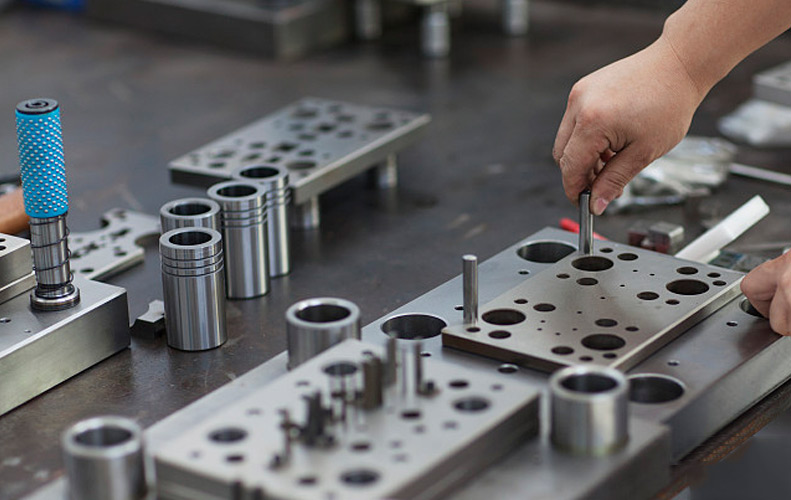
Assess whether your current tooling, presses, and automation systems can handle the part’s geometry and material. Tooling design directly impacts part quality and production speed. If existing tools are insufficient, factor in the time and cost to design and build new dies.
Tooling considerations should also include maintenance requirements and expected tool life, especially for high-volume projects.
4. Simulate the Stamping Process
Modern simulation software allows engineers to model the stamping process digitally. Simulations can predict issues such as wrinkling, tearing, or excessive thinning, enabling adjustments before physical trials. This step reduces trial-and-error costs and shortens development timelines.
5. Conduct Prototype Runs
After digital validation, produce physical prototypes to confirm manufacturability. Prototype runs reveal real-world challenges that simulations might miss, such as unexpected material behavior or minor design flaws. Carefully document any defects or process adjustments needed.
6. Assess Quality and Safety Risks
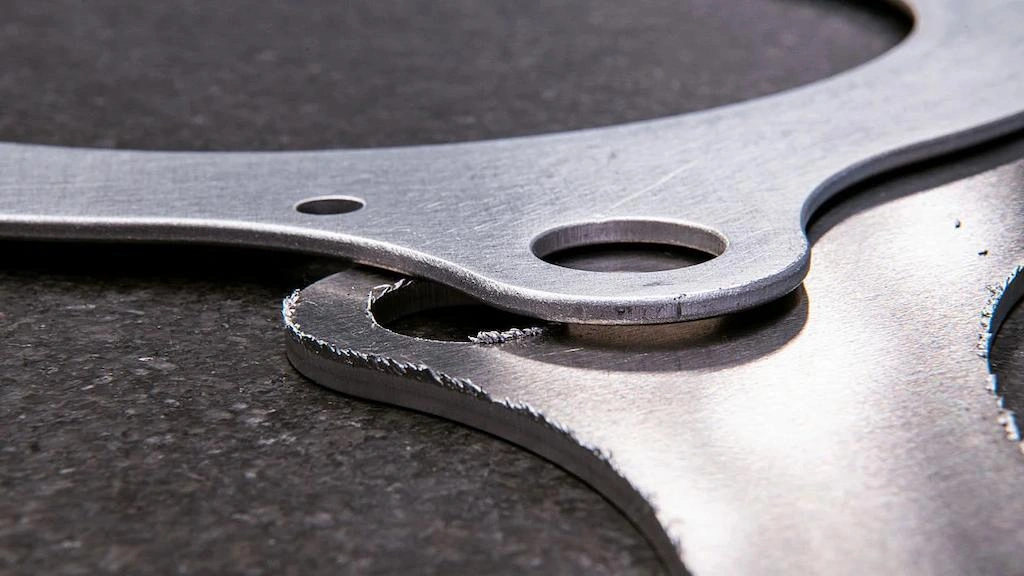
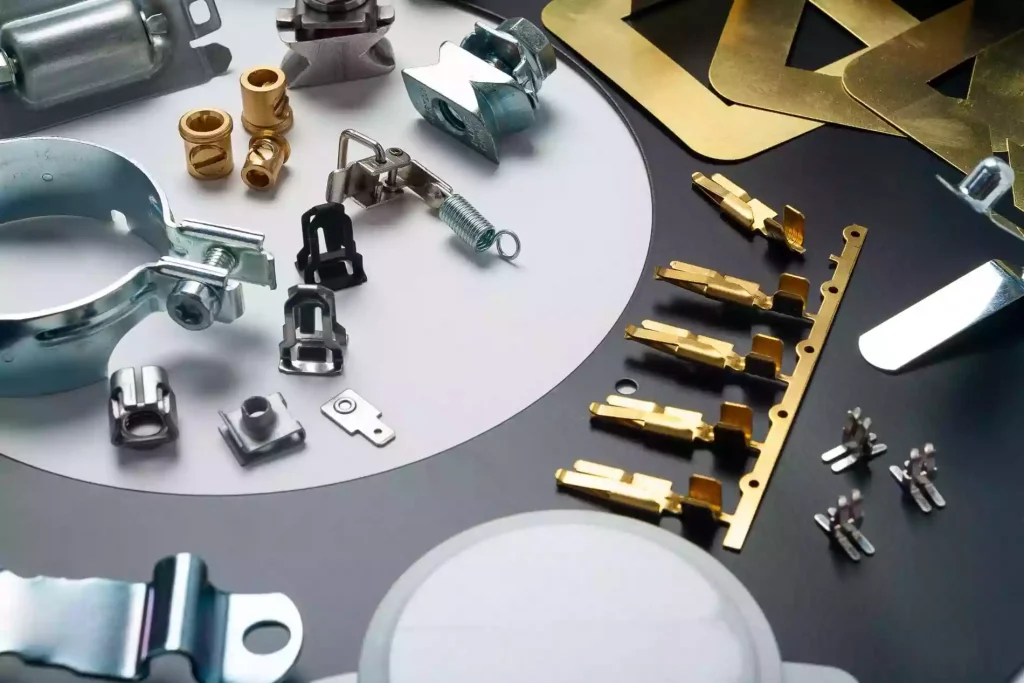
Examine the prototype parts for defects such as burrs, cracks, or dimensional inaccuracies. Evaluate whether the process meets required quality standards. Safety is also critical—review procedures and equipment safeguards to protect workers and maintain compliance. For more on this, see how to ensure safety in steel stamping parts production for practical safety protocols and risk mitigation strategies.
Training operators is another important aspect. Explore how to train operators for steel stamping safety to ensure your team is well-prepared for safe and efficient production.
7. Calculate Costs and Production Metrics
Compile data from the previous steps to estimate total project costs, including materials, tooling, labor, and overhead. Analyze cycle times, scrap rates, and expected throughput. This information is crucial for determining project profitability and setting realistic timelines.
Energy consumption is another factor that can impact feasibility. For guidance on efficiency, review how to reduce energy consumption in stamping plants to identify potential savings during production.
Common Challenges and Solutions in Stamping Feasibility
Even with a structured approach, several challenges can arise during the evaluation process. Here are some frequent issues and practical solutions:
- Material Springback: Use simulation tools and adjust die design to compensate for springback in high-strength steels.
- Tool Wear: Select tool steels with high wear resistance and implement regular maintenance schedules.
- Surface Defects: Optimize lubrication and consider protective coatings to reduce friction and prevent galling.
- Dimensional Variability: Tighten process controls and use in-line measurement systems to monitor part dimensions.
Best Practices for Reliable Feasibility Studies
To maximize the value of your feasibility assessment, consider these best practices:
- Engage cross-functional teams, including design, engineering, and production personnel
- Document all assumptions, findings, and decisions for future reference
- Leverage digital tools for simulation and data analysis
- Continuously update feasibility criteria based on lessons learned from past projects
- Communicate findings clearly to stakeholders to facilitate informed decision-making
FAQ: Steel Stamping Feasibility Studies
What information is needed to start a stamping feasibility assessment?
Begin with detailed part drawings, material specifications, expected production volumes, and any special requirements such as coatings or secondary operations. The more complete your initial data, the more accurate your evaluation will be.
How do simulation tools help in the feasibility process?
Simulation software models the stamping process, predicting issues like wrinkling, tearing, or excessive thinning. This allows engineers to optimize designs and processes before investing in physical tooling, saving time and costs.
Why is prototype testing important in evaluating stamping projects?
Prototypes provide real-world validation of manufacturability and quality. They reveal issues that may not appear in digital simulations, such as unexpected material behavior or minor design flaws, enabling corrective actions before full-scale production.
How can I ensure safety during steel stamping operations?
Implement robust safety protocols, provide operator training, and regularly inspect equipment. For more detailed guidance, refer to resources on ensuring safety in steel stamping production.
Conclusion
Conducting a thorough feasibility study for steel stamping projects is vital for successful, cost-effective manufacturing. By systematically analyzing design, material, tooling, and process factors, and by leveraging both digital and physical validation methods, manufacturers can minimize risks and optimize outcomes. Applying the strategies outlined here will help ensure your next stamping project is both practical and profitable.