
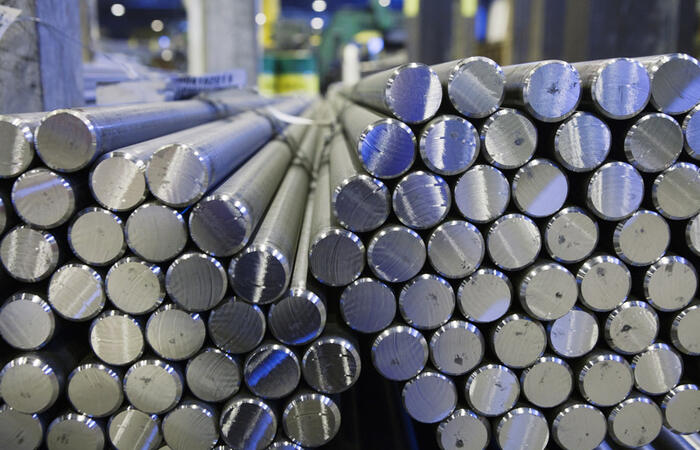
Clear, persuasive communication about the advantages of using recycled metals is essential for manufacturers, suppliers, and sustainability advocates. As industries and consumers become more environmentally conscious, understanding how to communicate recycled metal benefits can help organizations stand out, build trust, and support greener choices. This article explores practical strategies for conveying the value of recycled metals, from environmental impact to economic and technical advantages.
Whether you are a metal supplier, product designer, or sustainability officer, knowing how to present the case for recycled metals can influence purchasing decisions and support your organization’s sustainability goals. We’ll also highlight useful resources, such as how to optimize scrap chute angles for improved material handling, to help you integrate recycled metals more efficiently into your processes.
Why Highlighting Recycled Metal Advantages Matters
Effectively sharing the benefits of recycled metals is more than a marketing tactic—it’s a way to drive real change in manufacturing and consumer behavior. When stakeholders understand the positive impact of recycled materials, they are more likely to support their use in products and supply chains. This can lead to:
- Reduced environmental footprint for manufacturers and end-users
- Lower production costs and improved resource efficiency
- Enhanced brand reputation for sustainability and responsibility
- Compliance with evolving regulations and green standards
To maximize these outcomes, it’s important to tailor your messaging to your audience and back up claims with credible data.
Key Environmental Benefits to Communicate
One of the most compelling reasons to use recycled metals is their positive impact on the environment. When discussing how to communicate recycled metal benefits, focus on these core points:
- Energy Savings: Producing metals from recycled scrap requires significantly less energy than extracting and refining virgin ore. For example, recycled aluminum uses up to 95% less energy than primary production.
- Reduced Greenhouse Gas Emissions: Lower energy consumption translates to fewer emissions, helping companies meet climate targets.
- Resource Conservation: Recycling metals preserves finite natural resources and reduces the need for mining, which can be destructive to ecosystems.
- Waste Reduction: Diverting metal scrap from landfills minimizes environmental pollution and supports circular economy principles.
When possible, use specific statistics and case studies relevant to your sector to make these points more relatable and credible.
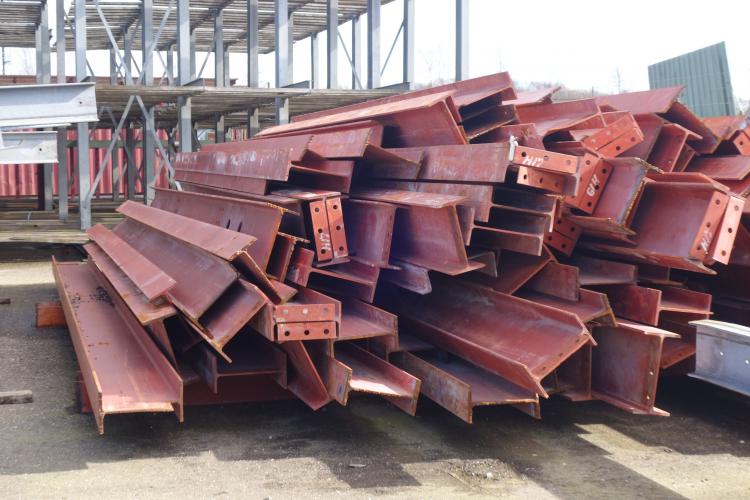
Economic and Technical Value of Recycled Metals
Beyond environmental gains, recycled metals offer significant economic and technical advantages. When explaining these benefits, consider the following talking points:
- Cost Efficiency: Recycled metals often cost less than newly mined materials, helping manufacturers control expenses and remain competitive.
- Stable Supply Chains: Sourcing recycled materials can reduce reliance on volatile global mining markets and improve supply chain resilience.
- Comparable Quality: Modern recycling processes ensure that metals retain their original properties, making them suitable for demanding applications.
- Innovation Opportunities: Using recycled metals can open doors to new product lines and sustainable branding initiatives.
Highlighting these points can reassure technical decision-makers and procurement teams that recycled metals are a practical choice, not just an ethical one.
Strategies for Presenting Recycled Metal Benefits
To make your message resonate, adapt your approach to your audience and context. Here are some effective strategies for sharing the value of recycled metals:
- Know Your Audience: Tailor your communication to address the priorities of engineers, procurement managers, or end consumers. For example, technical buyers may value performance data, while consumers may respond to environmental impact stories.
- Use Visuals and Infographics: Charts, images, and infographics can make complex data more accessible and memorable.
- Leverage Case Studies: Share real-world examples of successful projects using recycled metals to build credibility.
- Provide Certifications and Standards: Reference recognized certifications (such as ISO 14001 or LEED) to validate your claims.
- Encourage Dialogue: Invite questions and feedback to foster trust and address any misconceptions about recycled materials.
Combining these strategies can help you deliver a compelling, trustworthy message that drives action.

Supporting Your Message with Data and Resources
Backing up your statements with reliable data is crucial for building trust. Cite reputable sources, use up-to-date statistics, and reference industry standards. For example, you can direct readers to resources explaining how different types of recycled scrap metal are used in manufacturing for further reading.
Internal resources, such as guides on steel stamping material yield strength considerations, can also help your audience understand how recycled metals fit into technical processes and quality requirements.
Overcoming Common Misconceptions
Despite the clear benefits, some stakeholders may have reservations about recycled metals. Addressing these concerns directly can strengthen your message:
- Quality Concerns: Emphasize that recycled metals can meet or exceed the same standards as virgin materials, especially when sourced from reputable suppliers.
- Performance Doubts: Share case studies and technical data showing successful applications in demanding environments.
- Cost Myths: Clarify that recycled metals often offer cost savings, particularly when factoring in long-term environmental and regulatory benefits.
By proactively addressing these points, you can help shift perceptions and encourage broader adoption of recycled materials.
Integrating Recycled Metals Into Your Operations
For organizations looking to expand their use of recycled metals, practical steps include:
- Partnering with certified suppliers who specialize in recycled materials
- Investing in equipment, such as shredders, to process scrap efficiently
- Training staff on best practices for handling and integrating recycled metals
- Documenting and communicating your sustainability achievements to stakeholders
Refer to resources on best practices for stamping coated steels and related topics to support your transition and maintain high product quality.
Frequently Asked Questions
What are the main environmental benefits of using recycled metals?
Recycled metals help conserve natural resources, reduce energy consumption, and lower greenhouse gas emissions compared to primary metal production. They also divert waste from landfills and support circular economy initiatives.
How can I assure customers about the quality of recycled metals?
Modern recycling processes ensure that metals retain their original properties. Providing certifications, technical data, and case studies can reassure customers that recycled metals meet industry standards for performance and reliability.
What is the best way to present the advantages of recycled metals to technical teams?
Focus on data-driven arguments, such as cost savings, supply chain stability, and comparable material properties. Use case studies and reference industry standards to support your claims and address any technical concerns.
Conclusion
Effectively sharing the value of recycled metals requires a clear, audience-focused approach. By emphasizing environmental, economic, and technical advantages—and supporting your message with credible data—you can help drive greater adoption of sustainable materials. For further insights into material handling, quality, and process optimization, explore resources like steel stamping material grain size importance and how to optimize part ejection in stamping. With the right communication strategies, you can position your organization as a leader in sustainable metal use and support a more responsible future for the industry.