
Eco friendly CNC machining is rapidly transforming the manufacturing landscape by prioritizing sustainability, resource efficiency, and reduced environmental impact. As industries face increasing pressure to minimize their carbon footprint, CNC (Computer Numerical Control) machining shops and manufacturers are adopting greener practices to meet regulatory requirements and customer expectations. This article explores the essential strategies, technologies, and benefits of integrating sustainability into CNC machining operations.
From material selection to waste management, every stage of the machining process offers opportunities for improvement. By embracing sustainable approaches, manufacturers not only contribute to environmental protection but also gain operational efficiencies and long-term cost savings. For those interested in optimizing related processes, learning about how to optimize scrap chute angles can further enhance material efficiency in metalworking environments.
Key Principles of Sustainable CNC Machining
Adopting eco-conscious practices in CNC manufacturing involves more than just energy savings. It requires a holistic approach that considers the entire lifecycle of products and processes. The following principles are central to greener CNC operations:
- Resource efficiency: Minimizing raw material use and maximizing yield from each workpiece.
- Energy conservation: Reducing power consumption through advanced machine controls and optimized tool paths.
- Waste reduction: Implementing recycling, reusing scrap, and managing byproducts responsibly.
- Non-toxic processes: Using coolants, lubricants, and cleaning agents that are less harmful to people and the environment.
- Lifecycle thinking: Designing parts and processes with end-of-life reuse or recycling in mind.
Material Choices for Greener CNC Operations
The selection of materials has a significant impact on the overall sustainability of CNC machining. Using recycled metals, certified sustainable plastics, or biodegradable materials can reduce environmental impact. Additionally, choosing materials with higher machinability can decrease energy use and tool wear, further supporting eco initiatives.

When selecting materials, consider the following:
- Opt for recycled or upcycled metals when possible.
- Use certified sustainable sources for plastics and composites.
- Evaluate the recyclability of scrap and chips generated during machining.
- Choose materials that require less energy for processing and finishing.
For more insights on material properties and their impact on manufacturing, exploring steel stamping material yield strength considerations can provide valuable context for material selection in sustainable production.
Energy-Efficient CNC Machining Practices
Reducing energy consumption is a cornerstone of eco friendly CNC machining. Modern CNC machines are equipped with features that allow for significant energy savings, but operational strategies also play a crucial role:
- Utilize energy-efficient motors and drives in CNC equipment.
- Schedule jobs to minimize machine idle time and unnecessary warm-ups.
- Implement advanced toolpath optimization to reduce cycle times and power usage.
- Maintain equipment regularly to ensure peak efficiency and avoid energy waste due to mechanical issues.
Many manufacturers also invest in renewable energy sources, such as solar or wind power, to further decrease their carbon footprint. These efforts not only support sustainability but can also lead to lower operational costs over time.
Minimizing Waste and Maximizing Recycling
Waste management is a critical aspect of sustainable CNC manufacturing. By focusing on reducing, reusing, and recycling, shops can significantly cut down on landfill contributions and raw material costs.
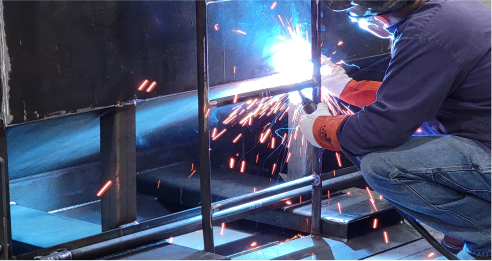
Effective waste reduction strategies include:
- Separating metal chips by type for easier recycling.
- Reusing coolant and lubricants through filtration and purification systems.
- Designing parts to minimize offcuts and scrap during machining.
- Collaborating with recycling partners for responsible disposal of non-recyclable waste.
For those working with coated materials, adhering to best practices for stamping coated steels can help prevent unnecessary waste and ensure high-quality results.
Green Coolants and Lubricants in CNC Processes
The use of environmentally friendly coolants and lubricants is gaining traction in the CNC industry. Traditional fluids often contain chemicals that are harmful to both operators and the environment. Switching to biodegradable, non-toxic alternatives reduces hazardous waste and improves workplace safety.
Key benefits of green fluids include:
- Lower disposal costs due to reduced hazardous content.
- Improved air quality and reduced skin irritation for operators.
- Compliance with environmental regulations and certifications.
Regular monitoring and maintenance of fluid systems are essential to maximize their lifespan and effectiveness, further supporting sustainable goals.
Design for Sustainability in CNC Manufacturing
Integrating sustainability into the design phase can have a profound impact on the environmental footprint of machined products. By considering factors such as material efficiency, ease of recycling, and product longevity, engineers can create parts that are both functional and eco-conscious.
Design strategies for greener CNC production include:
- Minimizing the number of machining operations required for each part.
- Designing components for disassembly and recycling at end of life.
- Using modular designs to extend product lifespan and facilitate repairs.
- Reducing the use of coatings or finishes that hinder recyclability.
Understanding the importance of material grain size in steel stamping can also inform design decisions that support both performance and sustainability.
Benefits of Adopting Eco-Conscious CNC Machining
Transitioning to eco friendly CNC machining delivers a range of advantages for manufacturers, customers, and the environment:
- Cost savings: Lower energy bills, reduced material waste, and fewer regulatory fines.
- Brand reputation: Demonstrating commitment to sustainability can attract eco-minded clients and partners.
- Regulatory compliance: Staying ahead of environmental laws and industry standards.
- Employee well-being: Safer, cleaner workplaces with reduced exposure to hazardous substances.
- Market differentiation: Gaining a competitive edge by offering greener manufacturing solutions.
For actionable steps and industry insights, the resource 4 actions to make metal fabrication sustainable provides practical guidance for companies seeking to enhance their sustainability efforts.
Challenges and Future Directions in Sustainable CNC
While the benefits are clear, implementing sustainable practices in CNC machining is not without challenges. Upfront investments in new equipment, training, and process redesign can be significant. However, as technology advances and eco-friendly solutions become more accessible, the barriers to entry are decreasing.
Future trends in sustainable CNC include:
- Greater use of artificial intelligence for process optimization and waste reduction.
- Integration of real-time monitoring systems to track energy and material usage.
- Development of new biodegradable and recycled materials suitable for precision machining.
- Collaboration across supply chains to ensure sustainability at every stage.
Staying informed about innovations and best practices, such as how to optimize part ejection in stamping, can help manufacturers remain competitive and environmentally responsible.
FAQ: Sustainable CNC Machining
What are the main environmental benefits of eco friendly CNC machining?
Adopting sustainable CNC practices reduces energy consumption, minimizes waste, and lowers greenhouse gas emissions. It also encourages the use of recycled materials and non-toxic fluids, contributing to cleaner air and water around manufacturing sites.
How can manufacturers transition to greener CNC operations?
Transitioning involves evaluating current processes, investing in energy-efficient equipment, selecting sustainable materials, and training staff on best practices. Incremental changes, such as switching to biodegradable coolants or optimizing toolpaths, can make a significant difference over time.
Are there certifications for sustainable CNC machining?
Yes, several certifications recognize environmentally responsible manufacturing, including ISO 14001 (environmental management systems) and various industry-specific eco-labels. Achieving these certifications demonstrates a commitment to sustainability and can enhance a company’s reputation.