
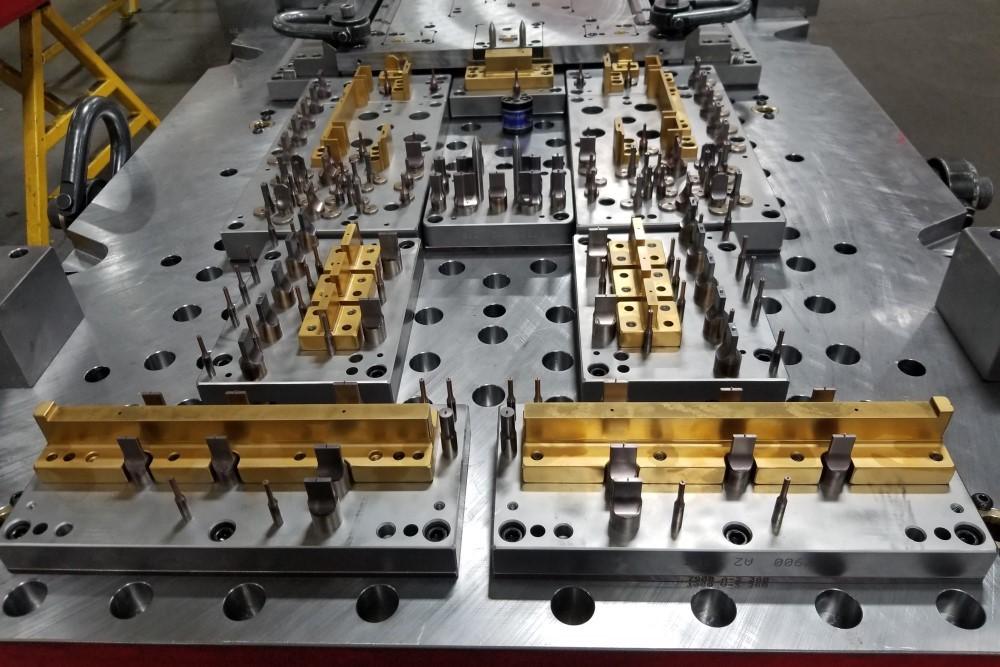
Steel stamping is a vital process in the manufacturing industry, enabling the mass production of precise metal parts at high speed. However, even with advanced technology, certain common defects in steel stamping and how to fix them remain persistent challenges for engineers and operators. These issues can lead to increased scrap rates, higher costs, and compromised product quality if not addressed promptly.
This article provides a practical overview of the most frequent steel stamping problems, their root causes, and actionable solutions. Whether you’re a plant manager, quality engineer, or operator, understanding these defects and their remedies will help you maintain consistent output and reduce downtime. For those interested in related process improvements, you may also want to review how to optimize scrap chute angles for better material flow in your stamping operations.
Understanding Typical Issues in Steel Stamping
Before diving into specific remedies, it’s important to recognize the types of flaws that can occur during metal stamping. These issues often stem from material inconsistencies, tool wear, improper setup, or inadequate process control. By identifying the symptoms early, manufacturers can take corrective action and prevent recurring problems.
- Burrs: Sharp edges or raised material left on the part after cutting or punching.
- Wrinkling: Undesirable waves or folds in the stamped part, especially in drawn or formed sections.
- Cracking: Fractures or splits, usually along bends or drawn areas.
- Surface Scratches: Marks or gouges on the part’s surface, often caused by die contact or debris.
- Dimensional Inaccuracy: Parts not meeting specified tolerances due to tool wear or misalignment.
Each of these flaws can impact the function and appearance of the finished product. The following sections explore the root causes and practical fixes for each type.
Burrs: Causes and Solutions
Burrs are among the most common defects in steel stamping and how to fix them is a priority for quality control teams. Burrs occur when the cutting edge of the die or punch becomes dull, or when the clearance between the punch and die is incorrect.
Why Burrs Form
- Worn or chipped punches and dies
- Improper die clearance
- Incorrect material thickness or hardness
How to Eliminate Burrs
- Regularly inspect and sharpen punches and dies.
- Set die clearance according to material type and thickness.
- Use high-quality tool steel and maintain proper lubrication.
- Monitor material specifications to ensure consistency.
For more on maintaining your tooling, see this comprehensive die maintenance guide that covers inspection and sharpening best practices.

Wrinkling and Distortion: Prevention and Correction
Wrinkling is a frequent issue in drawn or formed parts, especially when working with thin-gauge steel. This defect can compromise both the appearance and structural integrity of the product.
Factors Leading to Wrinkling
- Excessive material flow during forming
- Insufficient blank holder force
- Poor die design or worn components
- Improper lubrication
Effective Ways to Prevent Wrinkling
- Increase blank holder pressure to control material flow.
- Optimize die design for even distribution of force.
- Use appropriate lubricants to reduce friction.
- Regularly inspect and maintain forming dies.
For additional insights on material behavior, review the importance of steel stamping material grain size importance in achieving consistent forming results.
Cracking and Splitting: Troubleshooting and Solutions
Cracks and splits typically occur during bending or deep drawing operations. These failures are often due to exceeding the material’s ductility or improper process parameters.
Common Causes of Cracking
- Using material with low elongation or improper grain orientation
- Excessive forming force or sharp die radii
- Insufficient lubrication
- Incorrect die or punch geometry
How to Address Cracking
- Select steel with suitable ductility and check grain direction.
- Increase die radii to reduce stress concentrations.
- Apply proper lubrication to minimize friction.
- Adjust forming speed and force as needed.
Understanding steel stamping material yield strength considerations can help in choosing the right material and process parameters to avoid these issues.

Surface Scratches and Marks: Minimizing Cosmetic Defects
Surface scratches are not only cosmetic defects but can also affect downstream processes like coating or welding. These marks are usually caused by debris, worn tooling, or improper handling.
How Scratches Occur
- Foreign particles on die surfaces
- Worn or damaged tooling
- Improper part ejection or handling
Reducing Surface Defects
- Clean dies and work area regularly to remove debris.
- Inspect and replace worn tooling promptly.
- Implement gentle and controlled part ejection systems.
- Train operators on best handling practices.
For more tips on gentle part removal, see how to optimize part ejection in stamping to reduce handling-related defects.
Dimensional Inaccuracy: Achieving Consistent Tolerances
Maintaining tight tolerances is essential for parts that must fit or function precisely. Dimensional deviations can result from tool wear, misalignment, or inconsistent material properties.
What Causes Dimensional Issues?
- Progressive tool wear over time
- Improper die setup or misalignment
- Variations in material thickness or hardness
How to Maintain Accuracy
- Schedule regular tool inspections and maintenance.
- Use precision alignment fixtures during setup.
- Monitor incoming material specifications closely.
- Apply statistical process control to detect trends early.
For coated steels, following best practices for stamping coated steels can help maintain both dimensional accuracy and surface quality.
FAQ: Steel Stamping Defects and Remedies
What are the most frequent problems in steel stamping?
The most common issues include burrs, wrinkling, cracking, surface scratches, and dimensional inaccuracies. These defects can arise from tool wear, improper setup, material inconsistencies, or inadequate process control.
How can I quickly identify the root cause of a stamping defect?
Start by inspecting the tooling for wear or damage, checking die clearance, and reviewing material specifications. Monitoring process parameters and performing regular maintenance are also key steps in pinpointing the source of defects.
What steps should I take to prevent recurring stamping defects?
Implement a preventive maintenance program for tooling, use quality-controlled materials, optimize die design, and train operators in best practices. Applying statistical process control can also help catch issues before they become widespread.
Are there resources for improving steel stamping processes?
Yes, many industry guides and online resources provide in-depth advice on die maintenance, material selection, and process optimization. For example, the comprehensive die maintenance guide is a valuable reference for keeping your stamping tools in top condition.