
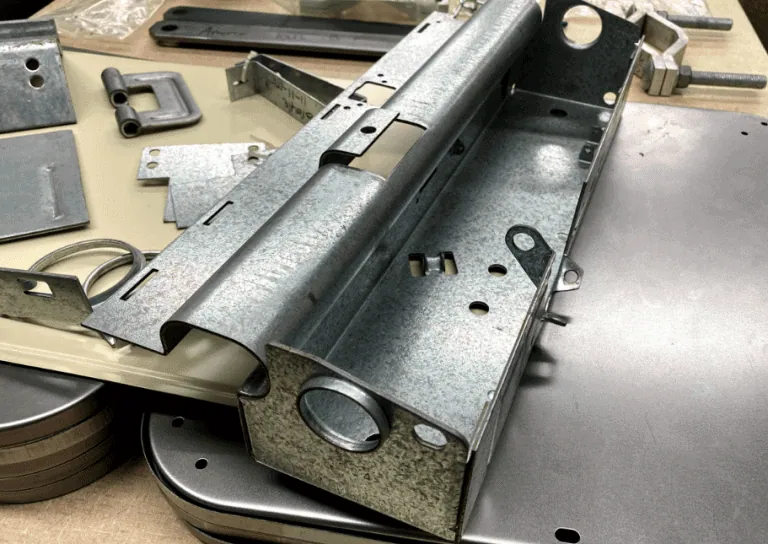
Stainless steel is a popular material in metal fabrication due to its corrosion resistance, strength, and clean finish. However, working with it requires a thoughtful approach, especially when it comes to stamping. Whether you’re a seasoned fabricator or a hobbyist, understanding the best practices for stamping stainless steel can help you achieve precise, consistent results and extend the life of your tools and dies.
This guide covers essential tips for preparing your workspace, selecting the right equipment, and optimizing your stamping process. Along the way, you’ll find practical advice on tool maintenance, material handling, and safety. For those interested in related topics, you may also want to explore how to optimize scrap chute angles for improved workflow and efficiency.
Understanding Stainless Steel’s Unique Properties
Before diving into the stamping process, it’s important to recognize what makes stainless steel different from other metals. Its high tensile strength and work-hardening rate mean it can be more challenging to form, especially in complex shapes. These characteristics demand careful planning and robust tooling.
- Work Hardening: Stainless steel quickly becomes harder and less ductile as it is deformed. This can lead to increased tool wear and the risk of cracking if not managed properly.
- Springback: After forming, stainless steel tends to return partially to its original shape. Anticipate this by adjusting die design and clearances.
- Surface Finish: The aesthetic quality of stainless steel is a key reason for its use. Preventing scratches and maintaining a clean finish is essential, especially for visible parts.
Preparing for a Successful Stamping Operation
Preparation is a cornerstone of effective stainless steel stamping. Start by selecting the right grade for your application—common options include 304 and 316, each with unique properties. Next, ensure your workspace and tools are clean and free from contaminants that could mar the material’s surface.
Tooling is especially critical. Hardened tool steels such as D2 or carbide are recommended for dies and punches, as they resist wear and maintain sharpness longer. Regular inspection and maintenance of your stamping equipment will help prevent unexpected downtime and ensure consistent results.
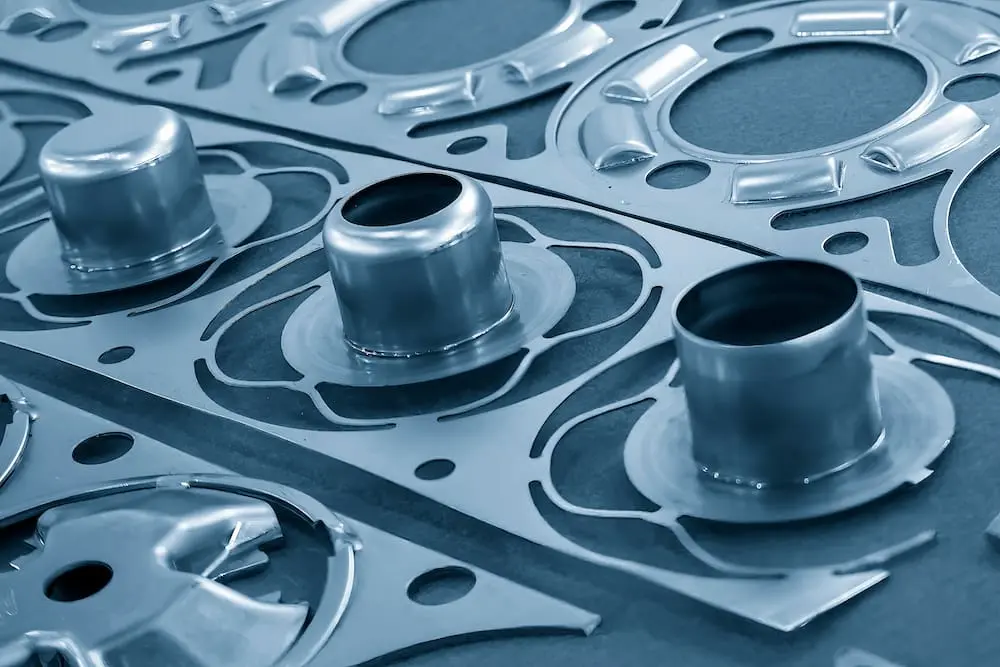
Key Techniques for Stamping Stainless Steel
Applying the right techniques is essential for clean, accurate results. Here are some proven strategies:
- Proper Lubrication: Use high-quality lubricants specifically formulated for stainless steel. This reduces friction, minimizes galling, and extends tool life.
- Die Clearance: Maintain adequate clearance between the punch and die. Too little clearance increases wear and the risk of burrs; too much can affect part accuracy.
- Progressive Stamping: For complex parts, consider progressive dies that perform multiple operations in sequence. This approach can improve efficiency and part consistency.
- Controlled Feed Rate: Adjust the feed rate to balance speed and accuracy. Stainless steel’s hardness may require slower feeds than softer metals.
For more on material properties and their impact on stamping, see steel stamping material yield strength considerations.
Maintaining Tooling and Equipment
Tool maintenance is a vital part of any stamping operation, but it’s especially important when working with stainless steel. The abrasive nature of this material can quickly dull punches and dies, leading to poor edge quality and increased scrap rates.
- Regular Inspection: Check tools for signs of wear, chipping, or galling. Address issues promptly to prevent defects in stamped parts.
- Sharpening: Keep punches and dies sharp using appropriate grinding techniques. Dull tools increase the risk of work hardening and part deformation.
- Cleaning: Remove debris and residue after each run. Stainless steel particles can accelerate wear if left on tooling surfaces.
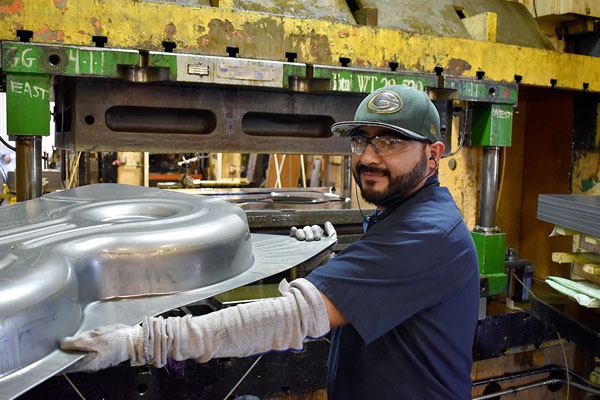
Quality Control and Inspection
Consistent quality is the hallmark of a well-run stamping operation. Implementing robust inspection procedures ensures that parts meet specifications and reduces the risk of costly rework.
- Dimensional Checks: Use calipers, micrometers, or optical comparators to verify critical dimensions after stamping.
- Surface Inspection: Look for scratches, burrs, or discoloration. Stainless steel’s appearance is often as important as its function.
- Hardness Testing: In some applications, verifying the hardness of the finished part can confirm that work hardening is within acceptable limits.
For additional tips on protecting surface finishes, consider reading about best practices for stamping coated steels without causing damage.
Safety Considerations in Stainless Steel Stamping
Working with stainless steel presents unique safety challenges due to its hardness and the forces involved in stamping. Always follow established safety protocols to protect yourself and your team.
- Wear appropriate personal protective equipment (PPE), including gloves, eye protection, and hearing protection.
- Keep hands and loose clothing away from moving parts and dies.
- Ensure all safety guards and emergency stops are functional before starting the press.
- Stay informed about industry safety standards. For more information, refer to safety in the metal stamping industry.
Optimizing Your Workflow
Efficiency and consistency are key to a successful stamping operation. Here are a few workflow optimization tips:
- Organize your workspace to minimize material handling and reduce the risk of surface contamination.
- Standardize setup procedures to ensure repeatability between runs.
- Document best practices and lessons learned for future reference.
- Consider the impact of material grain size on part quality. For more details, see steel stamping material grain size importance.
Continuous improvement is essential. Regularly review your processes and seek feedback from operators to identify areas for enhancement.
Frequently Asked Questions
What are the most common challenges when stamping stainless steel?
The main challenges include rapid tool wear, increased risk of galling, and managing work hardening. Proper lubrication, tool material selection, and regular maintenance help address these issues.
How can I prevent scratches and surface defects?
Keep work areas and tools clean, use protective films or coatings if needed, and handle materials with care. Avoid dragging stainless steel across rough surfaces and inspect for contaminants before stamping.
Is it necessary to use special lubricants for stainless steel?
Yes, using lubricants designed for stainless steel is recommended. These products reduce friction, minimize galling, and help maintain a clean surface finish throughout the stamping process.
By following these guidelines and continually refining your approach, you can achieve reliable, high-quality results when working with stainless steel. For further insights on improving part ejection and scrap management, check out how to optimize part ejection in stamping.