
Automotive manufacturing relies heavily on the precision and efficiency of steel stamping processes. As vehicles become more advanced, the demand for high-quality, durable, and lightweight steel components continues to grow. Understanding best practices for stamping automotive steel components is essential for manufacturers aiming to improve productivity, reduce waste, and ensure consistent part quality.
This guide explores proven methods for optimizing stamping operations, from material selection and die design to maintenance and quality control. By following these strategies, manufacturers can achieve better results, minimize downtime, and stay competitive in the evolving automotive sector.

For those working with coated materials, understanding the best practices for stamping coated steels can further enhance process reliability and part longevity.
Key Considerations in Steel Selection for Automotive Stamping
Choosing the right steel is foundational to successful component fabrication. The automotive industry typically uses a range of steels, including mild, high-strength, and advanced high-strength grades. Each type presents unique challenges and opportunities in the stamping process.
- Mild Steel: Offers good formability and is suitable for less demanding applications.
- High-Strength Steel (HSS): Provides improved strength-to-weight ratio but requires careful handling to avoid cracking.
- Advanced High-Strength Steel (AHSS): Enables lightweighting but demands precise process control due to increased springback and work hardening.
Understanding the steel stamping material grain size importance can also help optimize part performance and minimize defects.
Die Design and Tooling: Foundation of Efficient Stamping
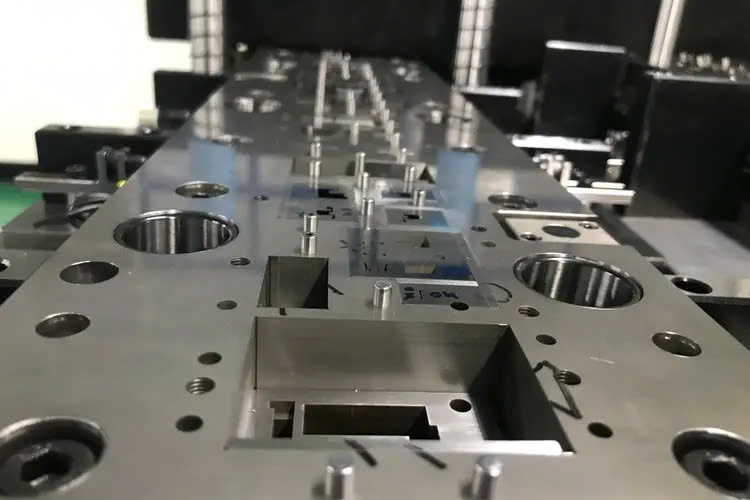
Effective die design is a cornerstone of best practices for stamping automotive steel components. Well-designed dies reduce wear, improve part accuracy, and support higher production rates. Consider the following guidelines:
- Use progressive or transfer dies for complex geometries and high-volume runs.
- Incorporate proper clearances to accommodate material thickness and minimize burr formation.
- Design dies for easy maintenance and quick changeovers to reduce downtime.
- Account for springback and material flow to ensure parts meet dimensional specifications.
For manufacturers focused on sustainability, learning how to design stamping dies for recyclability can support environmental goals and regulatory compliance.
Process Optimization for Consistent Results
Optimizing the stamping process is critical for achieving repeatable, high-quality results. Manufacturers should focus on:
- Lubrication: Proper lubrication reduces friction, prevents galling, and extends tool life.
- Press Settings: Adjust stroke, speed, and force to match material and part requirements.
- Blank Preparation: Ensure blanks are clean, flat, and free from surface defects to avoid downstream issues.
- Part Ejection: Efficient part removal prevents jams and supports higher throughput. For further insights, see how to optimize part ejection in stamping.
Regular review and refinement of these parameters can significantly reduce scrap rates and improve overall productivity.
Quality Control and Inspection Techniques
Maintaining rigorous quality standards is essential in automotive steel stamping. Key inspection points include:
- Dimensional Accuracy: Use gauges and coordinate measuring machines (CMM) to verify part dimensions.
- Surface Finish: Inspect for scratches, dents, and other surface imperfections.
- Burr Height: Monitor and control burrs to meet industry standards. For more details, refer to steel stamping burr height standards.
- Material Properties: Conduct hardness and tensile tests to ensure material meets specifications.
Implementing in-line inspection and statistical process control (SPC) can help detect issues early and prevent defective parts from reaching assembly lines.
Die Maintenance and Longevity
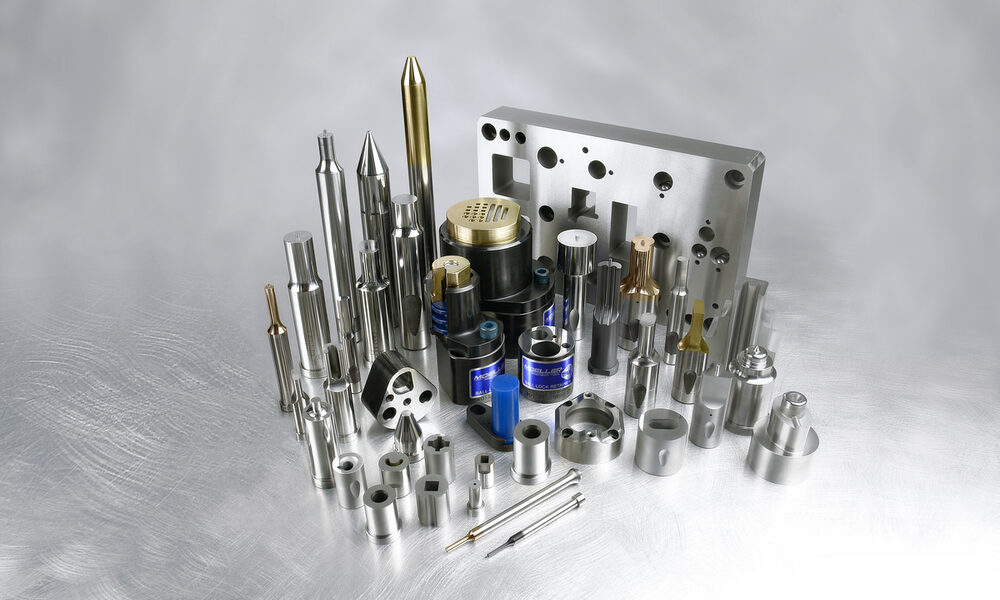
Proper die maintenance is a vital aspect of best practices for stamping automotive steel components. Regular upkeep prevents unexpected breakdowns, maintains part quality, and extends tool life. Key maintenance steps include:
- Routine cleaning and lubrication of die surfaces and moving parts.
- Inspection for wear, cracks, or chipping after each production run.
- Timely replacement of worn punches, dies, and springs.
- Documentation of maintenance activities for traceability and continuous improvement.
For a deeper dive into this topic, review stamping die repair and maintenance basics for actionable advice and troubleshooting tips.
Reducing Defects and Improving Yield
Minimizing defects is crucial for cost control and customer satisfaction. Common issues in steel stamping include:
- Cracking: Often caused by improper material selection or excessive forming forces.
- Wrinkling: Results from insufficient blank holding or poor die design.
- Springback: Particularly challenging with high-strength steels; can be managed with tailored die geometry and process adjustments.
- Burrs: Controlled through precise die clearances and regular tool maintenance.
Continuous monitoring and root cause analysis are essential for addressing these challenges and improving overall yield.
Frequently Asked Questions
What are the most common challenges in automotive steel stamping?
The most frequent issues include material cracking, excessive burrs, dimensional inaccuracies, and tool wear. Addressing these requires careful material selection, optimized die design, and consistent maintenance routines.
How can manufacturers ensure consistent quality in stamped steel parts?
Implementing robust quality control measures—such as in-line inspection, statistical process control, and regular equipment calibration—helps maintain high standards. Additionally, staff training and clear documentation support process consistency.
Why is die maintenance critical in stamping operations?
Regular die maintenance prevents unexpected failures, extends tool life, and ensures that stamped parts meet required specifications. Neglecting maintenance can lead to increased downtime, higher scrap rates, and costly repairs.
Conclusion
Adopting best practices for stamping automotive steel components leads to higher productivity, improved part quality, and reduced operational costs. By focusing on material selection, die design, process optimization, and proactive maintenance, manufacturers can meet the evolving demands of the automotive industry and deliver reliable, high-performance steel components.