
Steel stamping is a cornerstone process in modern manufacturing, enabling the creation of precise, durable components for industries ranging from automotive to electronics. At the heart of this process lies a complex interplay of forces, materials, and scientific principles. Understanding the physics of metal deformation is essential for engineers, operators, and anyone seeking to optimize production quality and efficiency. This article explores the fundamental mechanisms at work during steel stamping, the factors influencing deformation, and practical considerations for achieving optimal results.
For those interested in improving their stamping operations, it’s also valuable to explore best practices for stamping coated steels to prevent surface damage and maintain product integrity.
Fundamentals of Metal Deformation in Stamping
At its core, steel stamping involves shaping flat metal sheets into desired forms using dies and presses. The process relies on the ability of metals to undergo plastic deformation, meaning they can be permanently reshaped without breaking. This transformation is governed by several physical principles:
- Stress and Strain: When force is applied to steel, it experiences stress (force per unit area) and strain (the resulting deformation). The relationship between these two is critical in predicting how steel will behave under load.
- Elastic vs. Plastic Deformation: Initially, steel deforms elastically—meaning it returns to its original shape when the force is removed. Once the applied stress exceeds the material’s yield strength, plastic deformation occurs, and the shape change becomes permanent.
- Work Hardening: As steel is deformed, it becomes harder and stronger due to the rearrangement of its internal crystal structure. This phenomenon, known as work hardening, affects subsequent forming operations and tool wear.
Key Factors Affecting Deformation Behavior
Several variables influence how steel responds during stamping. Understanding the physics of metal deformation requires considering these factors:
- Material Properties: Different steel grades have varying yield strengths, ductility, and work hardening rates. These properties determine how easily the metal can be formed and how much force is required.
- Temperature: Higher temperatures generally increase ductility, making steel easier to deform. However, most stamping operations occur at room temperature, so selecting the right material is crucial.
- Strain Rate: The speed at which deformation occurs can affect the metal’s behavior. Rapid stamping may increase resistance to deformation, requiring more force and potentially leading to defects.
- Lubrication: Proper lubrication reduces friction between the die and the metal, minimizing surface defects and tool wear.
Stages of Deformation in Steel Stamping
Steel stamping typically involves several sequential stages, each governed by the underlying physics of deformation:
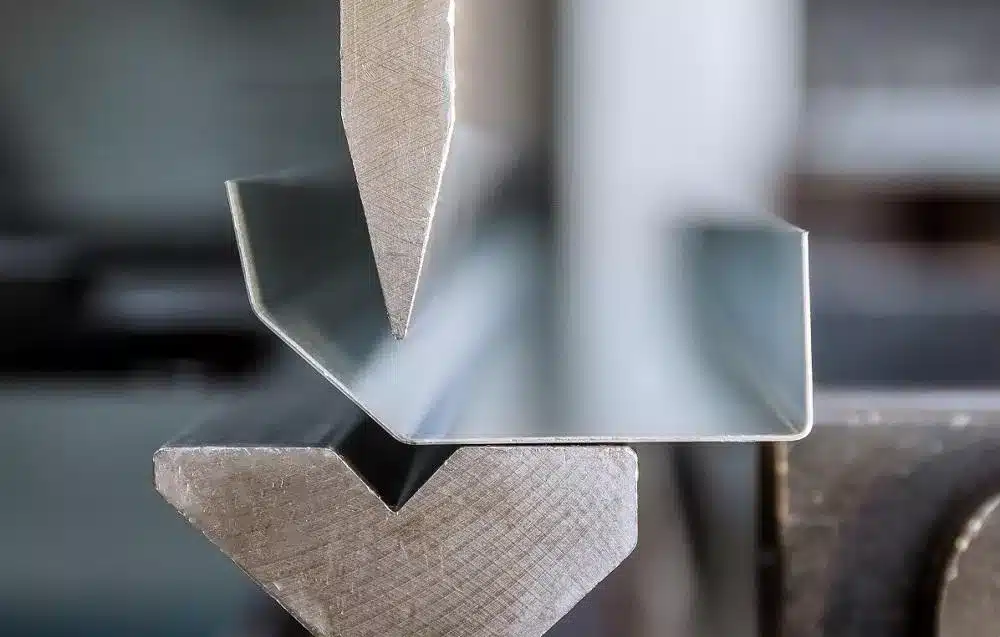
- Bending: The sheet is forced over a radius, causing the outer fibers to stretch and the inner fibers to compress. The neutral axis, where no strain occurs, shifts depending on material thickness and bend radius.
- Drawing: In deep drawing operations, the metal is pulled into a die cavity, stretching it into a new shape. This stage tests the steel’s ductility and resistance to thinning or tearing.
- Stretching and Flanging: Additional forming may stretch the metal further or create flanges. These operations require careful control to avoid cracks or wrinkles.
- Trimming and Piercing: Excess material is removed, and holes may be punched. These shearing actions rely on the metal’s ability to withstand localized stress without excessive burrs or deformation.
Common Defects and Their Physical Causes
Even with precise control, defects can arise if the physics of deformation are not fully accounted for. Common issues include:
- Cracking: Occurs when the applied stress exceeds the steel’s ductility, often due to sharp corners, excessive thinning, or improper material selection.
- Wrinkling: Results from compressive forces causing the metal to buckle, typically in areas with insufficient tension or poor die design.
- Springback: After forming, the elastic portion of deformation causes the steel to partially return to its original shape. Predicting and compensating for springback is essential for dimensional accuracy.
- Surface Defects: Scratches, galling, or orange peel can result from inadequate lubrication, rough die surfaces, or improper process parameters.
For those focused on achieving cleaner cuts and minimizing burrs, reviewing steel stamping edge quality optimization can provide valuable technical insights.
Optimizing Steel Stamping Through Physics
Applying the principles of understanding the physics of metal deformation can lead to significant improvements in both product quality and operational efficiency. Here are some practical strategies:
- Material Selection: Choose steel grades with suitable ductility and strength for the intended application. Advanced high-strength steels may require process adjustments.
- Tool Design: Optimize die radii, clearances, and surface finishes to reduce stress concentrations and friction.
- Process Control: Monitor and adjust forming speeds, lubrication, and temperature to maintain consistent deformation behavior.
- Simulation and Testing: Use finite element analysis (FEA) and physical trials to predict and validate deformation outcomes before full-scale production.
Safety and Best Practices in Metal Stamping
While mastering the technical aspects is crucial, safety should never be overlooked. Operators must follow established protocols and receive proper training. For a comprehensive overview, see how to train operators for steel stamping safety to ensure compliance and reduce workplace risks.
Additionally, always adhere to recommended safety precautions when operating metal stamping machinery to protect both personnel and equipment.
Advanced Considerations and Secondary Operations
Beyond initial forming, many stamped components undergo secondary processes such as tapping, welding, or assembly. Each additional step can introduce new deformation challenges. Understanding how prior work hardening and residual stresses affect subsequent operations is vital for maintaining part quality. For more on this topic, review steel stamping secondary operation considerations.
Frequently Asked Questions
What is the difference between elastic and plastic deformation in steel stamping?
Elastic deformation is reversible; the steel returns to its original shape when the force is removed. Plastic deformation, on the other hand, is permanent—once the yield strength is exceeded, the metal retains its new shape. Stamping relies on controlled plastic deformation to create lasting forms.
How does work hardening affect the stamping process?
Work hardening increases the strength and hardness of steel as it is deformed. While this can improve part durability, it also makes further forming more difficult and increases tool wear. Understanding and managing work hardening is essential for multi-stage stamping operations.
Why is lubrication important in metal stamping?
Lubrication reduces friction between the steel and the die, preventing surface defects, minimizing tool wear, and ensuring smoother material flow. Proper lubrication is a key factor in achieving high-quality stamped parts and extending tool life.
Conclusion
Mastering the principles behind understanding the physics of metal deformation is fundamental for anyone involved in steel stamping. By considering material properties, process parameters, and the underlying science, manufacturers can optimize quality, reduce defects, and enhance operational efficiency. Staying informed about best practices and technological advancements ensures continued success in this dynamic field.