
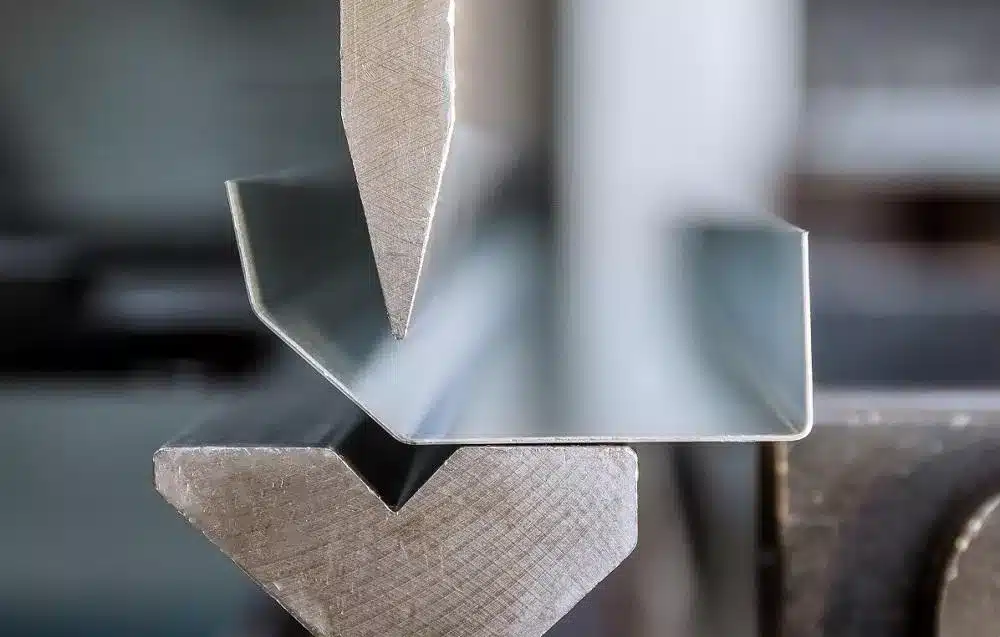
For manufacturers and engineers, understanding mechanical properties of stamping steel is essential to ensure product quality, process efficiency, and long-term durability. Stamping steel is widely used in automotive, appliance, and industrial applications due to its versatility and cost-effectiveness. However, the performance of stamped components depends heavily on the underlying material characteristics. This article provides a practical overview of the key mechanical attributes, their impact on stamping processes, and how to select the right steel for your needs.
Before diving into the technical aspects, it’s important to recognize that optimizing your stamping process involves more than just material selection. For those working with coated steels, exploring best practices for stamping coated steels can help prevent surface damage and improve overall results.
Why Mechanical Properties Matter in Steel Stamping
The mechanical behavior of steel directly influences how it responds to forming, cutting, and shaping operations. When selecting a material for stamping, several core properties must be considered:
- Strength: Determines the steel’s ability to withstand applied forces without permanent deformation or failure.
- Ductility: Indicates how much the steel can stretch or elongate before breaking, crucial for complex shapes.
- Hardness: Affects wear resistance and tool life during stamping.
- Elasticity: Refers to the steel’s ability to return to its original shape after deformation.
- Toughness: Measures resistance to impact and crack propagation.
Each of these attributes plays a role in determining whether a particular steel grade is suitable for a specific stamping application. For example, high-strength steels may offer better load-bearing capacity but could be more challenging to form without cracking.
Key Factors in Understanding Mechanical Properties of Stamping Steel
To make informed decisions, it’s important to look at how these mechanical characteristics are measured and what they mean for your stamping process.
Yield Strength and Tensile Strength
Yield strength is the stress at which steel begins to deform plastically. This is a critical value in stamping, as exceeding it can cause permanent shape changes. Tensile strength is the maximum stress the steel can withstand while being stretched before breaking. Both are typically measured in megapascals (MPa) or pounds per square inch (psi).
Choosing steel with the right yield and tensile strength ensures that parts can be formed without excessive thinning or tearing. For deep drawing operations, steels with lower yield strength and higher ductility are often preferred.
Ductility and Formability
Ductility is often quantified by elongation—the percentage increase in length before fracture. Higher ductility allows for more complex shapes and reduces the risk of cracks during forming. Formability is a broader term that includes ductility but also considers factors like strain hardening and anisotropy (directional properties).
Engineers may use tests like the Erichsen cupping test or the Limiting Dome Height (LDH) test to evaluate formability for specific applications.
Hardness and Its Impact on Tooling
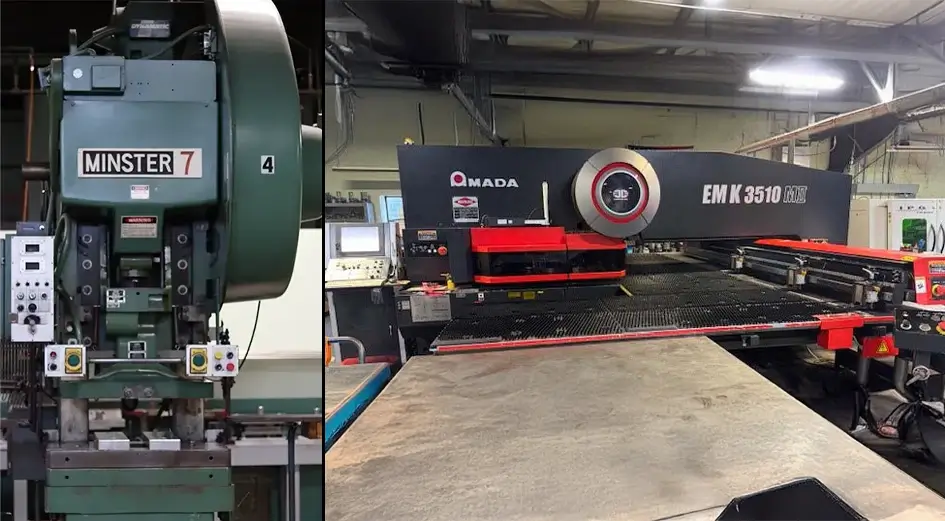
Hardness, measured by Rockwell or Vickers scales, affects not only the durability of the stamped part but also the wear rate of stamping dies. While harder steels resist surface wear, they can accelerate tool degradation and require more robust equipment.
Balancing hardness with other properties is key to minimizing maintenance costs and downtime.
Influence of Alloying Elements and Microstructure
Steel is an alloy primarily composed of iron and carbon, but other elements such as manganese, silicon, and chromium can be added to tailor its properties. For instance, increasing carbon content generally raises strength and hardness but reduces ductility. Alloying can also improve corrosion resistance or enhance formability for specific stamping needs.
The microstructure—the arrangement of grains and phases within the steel—also plays a significant role. Processes like annealing, normalizing, or quenching and tempering can refine the microstructure to achieve the desired balance of mechanical attributes.
Testing and Quality Control in Stamping Operations
Reliable stamping production depends on consistent material quality. Manufacturers routinely perform mechanical tests to verify that incoming steel meets required specifications. Common tests include:
- Tensile testing for yield and tensile strength, as well as elongation.
- Hardness testing to assess surface and core hardness.
- Metallographic analysis to examine grain size and microstructure.
Quality control measures help prevent issues like cracking, wrinkling, or excessive springback during forming. For those interested in optimizing edge quality, the steel stamping edge quality optimization guide offers technical insights into achieving clean, burr-free edges.
Practical Considerations for Material Selection
When choosing steel for stamping, consider the following:
- Part geometry: Complex shapes require higher ductility and formability.
- Thickness: Thicker materials may need higher forming forces but can offer greater strength.
- Surface finish: Some applications demand smooth, defect-free surfaces, influencing grade selection.
- Coatings: Galvanized or coated steels may require special handling to avoid surface damage. Refer to resources on best practices for stamping coated steels for more details.
- Secondary operations: Consider downstream processes like welding, painting, or assembly, as these can be affected by the steel’s composition and properties.
Collaboration between material suppliers, tool designers, and production teams is essential to achieve optimal results. For additional guidance on post-stamping steps, see the article on steel stamping secondary operation considerations.
Safety and Process Optimization
Working with stamping steel involves significant mechanical forces and moving equipment. Ensuring operator safety and process reliability is paramount. Comprehensive training, regular equipment maintenance, and adherence to safety protocols are non-negotiable. For a detailed overview of operator training, consult the resource on how to train operators for steel stamping safety.
Additionally, managing lubrication and minimizing runoff are important for both product quality and environmental compliance. Learn more about effective strategies in how to manage lubrication runoff in stamping.
For those seeking further information on workplace safety, this guide to safety precautions for metal stamping machinery provides actionable tips and best practices.
Frequently Asked Questions
What are the most important mechanical properties to consider for steel stamping?
The most critical properties include yield strength, tensile strength, ductility, hardness, and toughness. These influence formability, tool wear, and the final part’s performance.
How do alloying elements affect stamping steel performance?
Alloying elements such as carbon, manganese, and silicon can modify strength, ductility, and corrosion resistance. The right combination depends on the application and desired balance of properties.
Why is ductility important in stamping operations?
Ductility allows the steel to undergo significant deformation without cracking. This is especially important for parts with complex shapes or deep draws, as it reduces the risk of defects during forming.
Conclusion
Mastering the understanding mechanical properties of stamping steel is fundamental for anyone involved in metal forming. By carefully considering strength, ductility, hardness, and other key factors, manufacturers can select the right material, optimize their processes, and produce high-quality stamped components. Staying informed about the latest best practices and safety guidelines ensures both product excellence and workplace safety.