

As industries and consumers alike place greater emphasis on environmental responsibility, the demand for sustainable packaging metal products continues to rise. Metal packaging, known for its durability and recyclability, plays a crucial role in reducing waste and supporting a circular economy. However, achieving true sustainability in this sector requires more than just material selection—it involves thoughtful design, efficient manufacturing, and responsible end-of-life management.
This article explores proven strategies and actionable recommendations for making metal packaging more eco-friendly. From material sourcing to innovative fabrication techniques, we’ll cover the essential steps that manufacturers, designers, and brands can take to minimize environmental impact while maintaining product quality and performance.
For those interested in the intersection of predictive maintenance and eco-friendly manufacturing, our guide on predictive maintenance metal fabrication offers additional insights into optimizing efficiency and sustainability in metalworking environments.
Why Metal Packaging Matters for Sustainability
Metal packaging—such as cans, tins, and containers—offers significant environmental advantages. Metals like aluminum and steel are not only strong and protective but also highly recyclable. In fact, metals can be recycled indefinitely without losing their properties, making them ideal for a circular economy model. By focusing on sustainable packaging metal products, companies can reduce landfill waste, conserve natural resources, and lower their carbon footprint.
The recyclability of metal packaging also supports closed-loop systems, where materials are continuously reused rather than discarded. This approach aligns with global sustainability goals and responds to increasing consumer demand for greener products.
Material Selection and Sourcing for Eco-Friendly Metal Packaging
Choosing the right materials is a foundational step in creating more sustainable packaging solutions. Whenever possible, opt for metals with high recycled content, such as post-consumer recycled aluminum or steel. Sourcing from suppliers that prioritize environmentally responsible mining and processing practices further reduces the ecological impact.
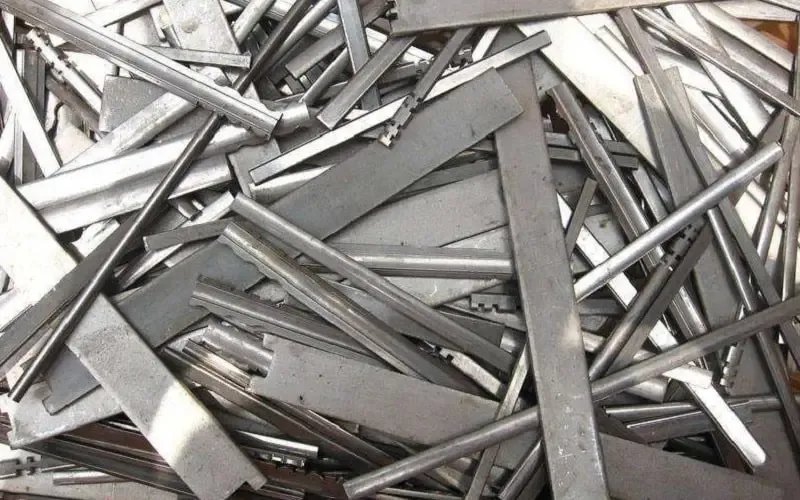
Utilizing recycled metals not only conserves raw materials but also requires less energy compared to producing new metal from ore. This translates into lower greenhouse gas emissions and a smaller overall environmental footprint.
Design Principles for Responsible Metal Packaging
Sustainable packaging design goes beyond aesthetics. It involves engineering products that use fewer resources, are easy to recycle, and minimize waste throughout their lifecycle. Here are some key design considerations:
- Lightweighting: Reduce material usage by designing thinner, yet strong, packaging. This approach lowers transportation emissions and material costs.
- Monomaterial Construction: Avoid combining metals with plastics or other materials that complicate recycling. Pure metal packaging is easier to process and reuse.
- Easy Disassembly: Design closures and labels that can be removed without contaminating the recycling stream.
- Standardization: Use standard sizes and shapes to simplify sorting and recycling processes.
By following these principles, manufacturers can create packaging that is both functional and environmentally responsible.
Manufacturing Methods That Support Sustainability
The way metal packaging is fabricated has a significant impact on its environmental profile. Adopting advanced manufacturing techniques can further enhance sustainability efforts. For example, implementing sustainable CNC machining practices helps reduce material waste and energy consumption during production.
Other effective strategies include:
- Dry Machining: Utilizing dry machining processes, as discussed in our article on dry machining environmental benefits, eliminates the need for lubricants and reduces chemical waste.
- Tool Life Optimization: Extending tool life through proper maintenance and selection, as explored in tool life optimization sustainability, minimizes resource consumption and downtime.
- 3D Metal Printing: Additive manufacturing, covered in our guide on 3D metal printing environmental impact, allows for precise material usage and less scrap.
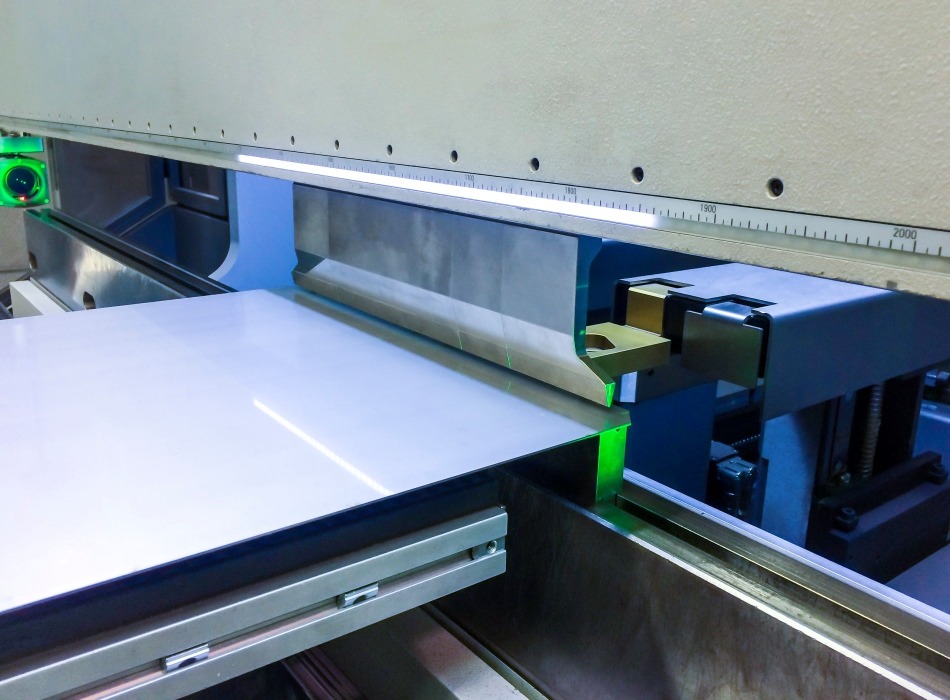
Manufacturers can also reduce their environmental impact by investing in energy-efficient machinery, optimizing production layouts, and recovering scrap metal for reuse.
End-of-Life Considerations and Recycling Best Practices
Ensuring that metal packaging can be efficiently collected, sorted, and recycled is essential for closing the sustainability loop. Clear labeling and consumer education help increase recycling rates and prevent contamination of recycling streams.
Best practices include:
- Using easily removable labels and adhesives that do not interfere with metal recycling.
- Designing packaging for easy flattening or compaction, which reduces transportation emissions.
- Partnering with local recycling programs to ensure compatibility with existing infrastructure.
By prioritizing recyclability and supporting robust collection systems, brands and manufacturers can maximize the environmental benefits of metal packaging.
Innovative Techniques and Industry Trends
The field of sustainable packaging metal products continues to evolve with new technologies and approaches. For example, the adoption of advanced fabrication methods—such as those outlined in these sustainable metal fabrication techniques—is helping companies reduce waste, lower emissions, and improve efficiency.
Other trends include the use of renewable energy in production facilities, the development of biodegradable coatings for metal containers, and the integration of smart tracking systems to monitor packaging throughout its lifecycle.
Benefits of Embracing Eco-Friendly Metal Packaging Solutions
Adopting best practices for sustainable metal packaging offers several advantages:
- Brand Differentiation: Companies that prioritize sustainability can attract environmentally conscious consumers and strengthen their market position.
- Regulatory Compliance: Meeting or exceeding environmental regulations reduces legal risks and prepares businesses for future policy changes.
- Cost Savings: Efficient material usage, energy savings, and reduced waste disposal costs contribute to long-term profitability.
- Positive Environmental Impact: Reducing resource extraction and landfill waste supports global efforts to combat climate change and preserve ecosystems.
By integrating these strategies, organizations can achieve both environmental and economic goals.
Frequently Asked Questions
What metals are most commonly used for sustainable packaging?
Aluminum and steel are the most widely used metals for eco-friendly packaging. Both materials are highly recyclable, durable, and suitable for a variety of applications, from food cans to cosmetic containers.
How can manufacturers improve the recyclability of metal packaging?
Manufacturers can enhance recyclability by using pure metals, minimizing the use of coatings or mixed materials, and designing packaging for easy disassembly. Clear labeling and consumer education also play a key role in improving recycling rates.
Are there any new technologies making metal packaging more sustainable?
Yes, innovations such as additive manufacturing (3D printing), dry machining, and the use of renewable energy in production are all contributing to more sustainable metal packaging solutions. These technologies help reduce waste, energy use, and environmental impact.